6G Networks and ISAC Integration: The Next Wireless Era
Examine how integrated sensing and communication technologies in upcoming 6G networks will transform enterprise connectivity and IoT ecosystems.

Varta Brief Team
Wednesday, September 16, 2026
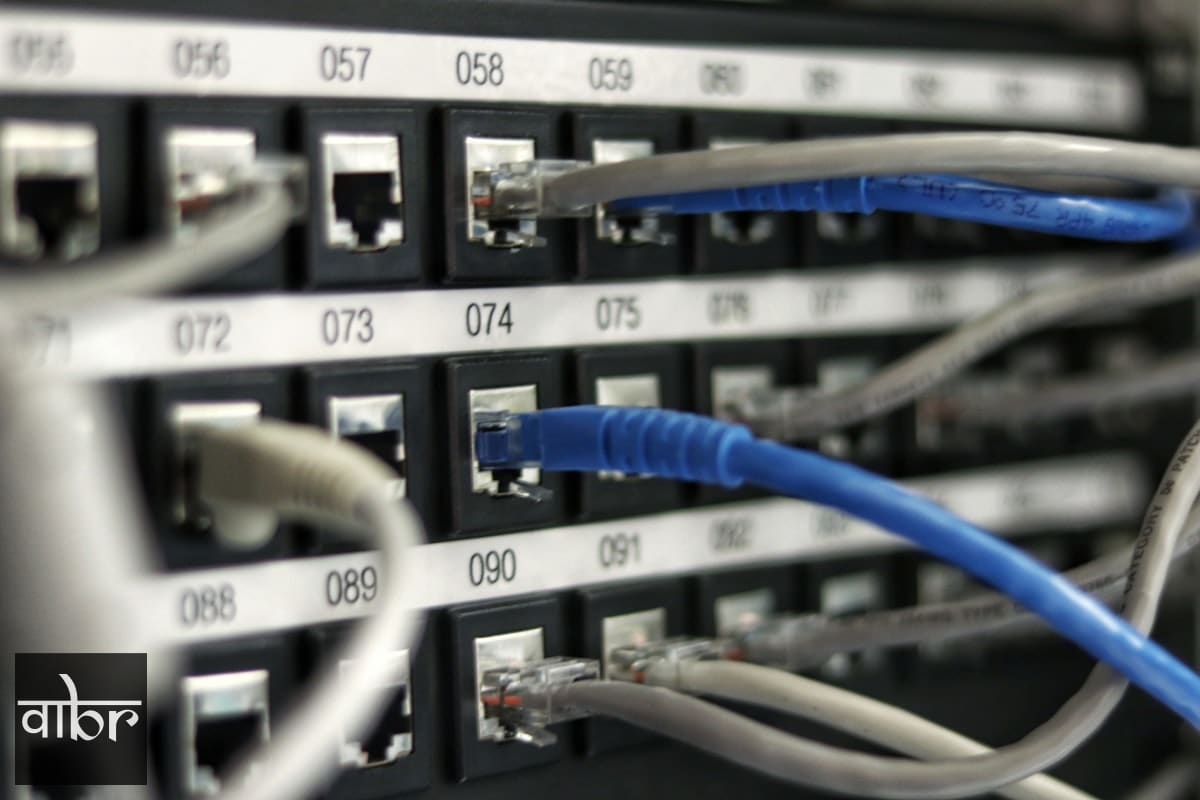
- Examine how integrated sensing and communication technologies in upcoming 6G networks will transform enterprise connectivity and IoT ecosystems.
- The Evolution Beyond 5G...
The Evolution Beyond 5G
Wireless communication standards evolve continuously to meet surging global data demands. The telecommunications industry is actively laying groundwork for sixth-generation networks. Unlike previous upgrades focusing purely on raw data speed, 6G introduces native sensing capabilities. Integrated Sensing and Communication (ISAC) allows base stations to function simultaneously as communication nodes and high-resolution radars.
Telecommunication leaders collaborate globally to standardize frequency spectrum allocations. These technical specifications will dictate how future devices interact with smart city infrastructure. The blending of radar sensing with high-speed data streams opens fascinating operational possibilities.
Technical Impact of ISAC Systems
ISAC technology leverages millimeter-wave and sub-terahertz frequencies to detect physical objects in real time. Base stations emit radio frequency waves and analyze reflections to determine velocity, distance, and shape. This ambient sensing operates independently of traditional optical cameras, preserving privacy while tracking movement.
Latency drops dramatically within 6G architectures, hovering in the sub-millisecond range. Packet loss decreases through predictive beamforming algorithms powered by localized edge intelligence. This resilience supports mission-critical enterprise applications requiring absolute reliability.
Key Technical Advantages
Dual-Functionality: Eliminates the need for separate radar and communication hardware arrays. Sub-Millimeter Precision: Tracks indoor movement with extreme spatial accuracy. Autonomous Spectrum Sharing: Dynamic frequency allocation prevents congestion in dense urban zones.
Enterprise Adoption and Industrial IoT
Industrial enterprises stand to gain immensely from ISAC-enabled networks. Automated factories can track robotic arms and personnel movements with zero blind spots. Smart warehouses optimize inventory flows using real-time spatial data gathered directly from overhead wireless transceivers.
Telecommunication giants frequently test these integrations in controlled environments. For deeper insights into collaborative wireless trials, review our coverage on Samsung and Verizon Complete AI-Powered 6G ISAC Network Trial . Such trials prove the commercial viability of blending artificial intelligence with telecommunications infrastructure.
Future Outlook for Connected Ecosystems
Looking toward the next decade, 6G networks will serve as the nervous system for autonomous transport. Vehicles will communicate intentions while simultaneously mapping surrounding obstacles via ambient roadside transceivers. Urban planners will harness these data streams to manage traffic flow dynamically.
Security remains a primary design requirement. Encryption protocols must protect sensory data streams from interception or tampering. As standardisation committees finalize frameworks, 6G will redefine global connectivity standards across all industries.
📌 Related Briefings & Stories
Quantum Computing Milestones: Scalability & Real-World Use Next-Gen AI Hardware Shifts: Enterprise Impact & Outlook Minecraft Java 26.3 Release Candidate 3: Full Patch Notes
Varta Brief Team
· Newsroom DeskReported, verified, and published by the Varta Brief editorial desk with an uncompromising commitment to primary-source verification and independent journalism.
Related Dispatches
More in Technology →
Amazon Decart Acquisition Signals Bold Move to Challenge Nvidia AI Dominance
Amazon buys Decart for $7.5B to optimize Trainium silicon and reshuffle the Nvidia AI chip race across enterprise cloud computing infrastructure.

Nvidia Board Governance Tested as Jensen Huang Discloses Additional Affairs
A detailed investigation into how revelations around Jensen Huang leadership impact corporate stability, chip markets, and Nvidia's standing with investors.

GTA 6 Sets Historic Record as the Biggest Launch in PlayStation History
Discover how GTA 6 became the biggest launch in PlayStation history, shattering records and reshaping the modern gaming landscape with unprecedented sales.