Advanced Human-Computer Interaction: Neural & Gesture Tech
Examine recent breakthroughs in neural interfaces, gesture tracking, and spatial computing transforming human-computer interaction.

Varta Brief Team
Wednesday, September 16, 2026
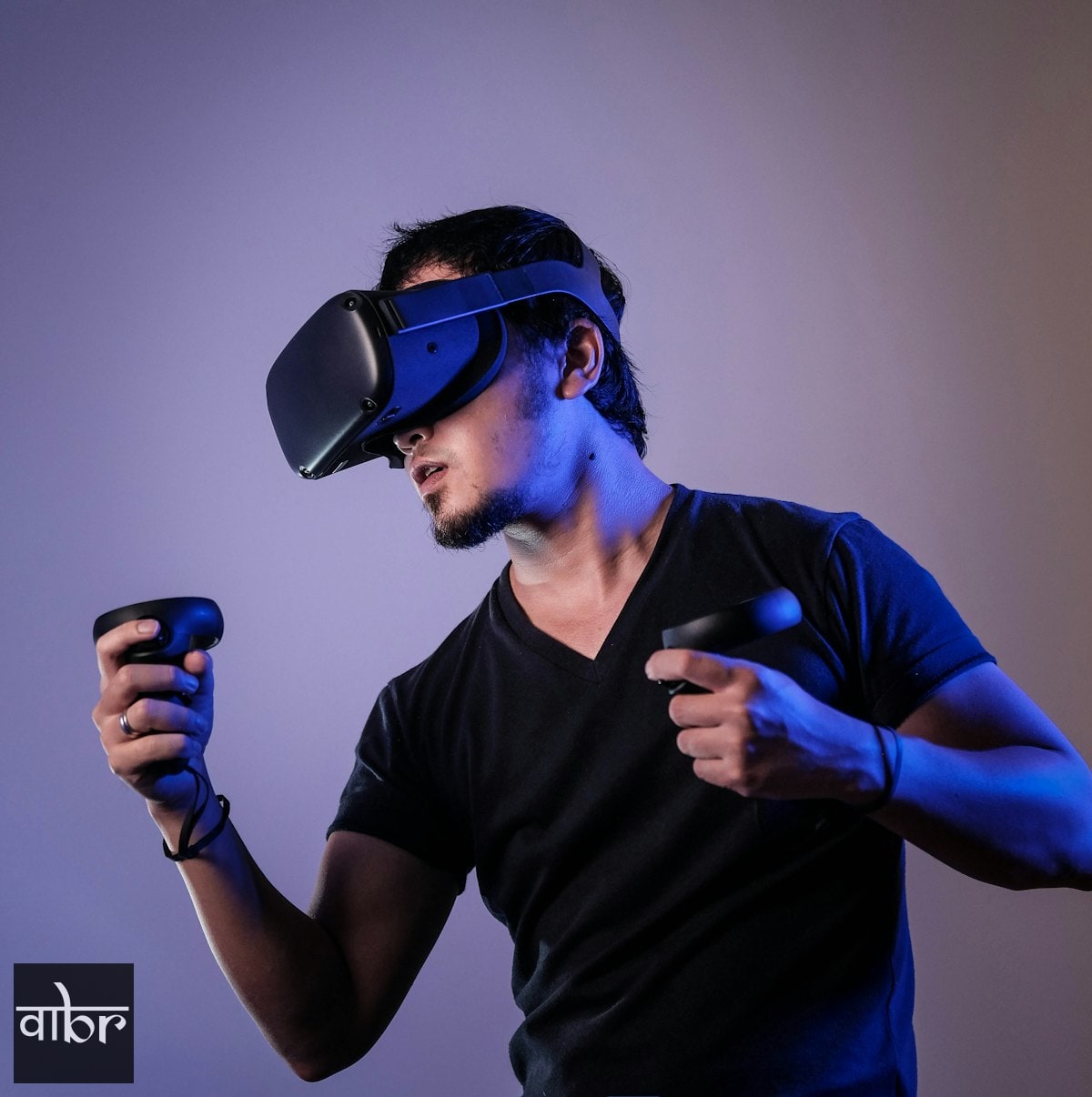
- Examine recent breakthroughs in neural interfaces, gesture tracking, and spatial computing transforming human-computer interaction.
- Redefining Digital Interfaces...
Redefining Digital Interfaces
Mouse and keyboard inputs have dominated computing for decades. Today, advanced human-computer interaction breakthroughs introduce non-invasive neural interfaces, high-precision gesture tracking, and spatial computing. These technologies dissolve barriers between humans and digital environments.
Users can now manipulate virtual objects with subtle hand movements or execute commands via thought recognition. Engineers focus on lowering latency and improving signal accuracy to create frictionless user experiences across consumer and enterprise markets.
Technical Impact of Neural and Gesture Systems
Non-invasive electromyography sensors detect electrical impulses traveling through neuromuscular pathways. This allows wearable bands to interpret finger gestures before the hand even completes physical movement. Combined with eye-tracking cameras, devices anticipate user intent with astonishing precision.
Spatial computing platforms map physical rooms in three dimensions using advanced computer vision. Virtual UI elements anchor themselves stably to real-world surfaces. This integration eliminates the physical screen constraint entirely.
Interaction Modalities
Neuromuscular Armbands: Detects subtle micro-gestures for hands-free control. Eye Tracking: Enables lightning-fast menu selection and depth focusing. Spatial Audio: Provides directional acoustic feedback in virtual environments.
Enterprise Adoption and Specialized Training
Enterprise sectors embrace spatial computing for remote collaboration and complex technical training. Aerospace engineers inspect virtual jet engines collaboratively across global offices. Medical professionals practice intricate surgical procedures using immersive haptic feedback simulators.
Accessibility represents a massive victory for advanced HCI development. Individuals with motor impairments gain independent computer control through eye-tracking and neural gesture bands. Technology becomes profoundly more inclusive.
Future Outlook for Ambient Computing
Future computing will be completely ambient. Screens will become optional as holographic projections and audio interfaces integrate into everyday environments. Technology will respond naturally to human gaze, voice, and subtle gestures.
As hardware shrinks into lightweight eyewear and discreet wearables, the digital and physical worlds will merge fully. Thoughtful design and robust privacy controls will ensure these powerful interaction tools benefit global users safely.
📌 Related Briefings & Stories
Autonomous Robotics in Logistics: Fleet Orchestration Tech Biotech Computing Breakthroughs: DNA Data Storage & Bio-AI Green Data Centers: Innovations in Power and Cooling Tech
Varta Brief Team
· Newsroom DeskReported, verified, and published by the Varta Brief editorial desk with an uncompromising commitment to primary-source verification and independent journalism.
Related Dispatches
More in Technology →
Amazon Decart Acquisition Signals Bold Move to Challenge Nvidia AI Dominance
Amazon buys Decart for $7.5B to optimize Trainium silicon and reshuffle the Nvidia AI chip race across enterprise cloud computing infrastructure.

Nvidia Board Governance Tested as Jensen Huang Discloses Additional Affairs
A detailed investigation into how revelations around Jensen Huang leadership impact corporate stability, chip markets, and Nvidia's standing with investors.

GTA 6 Sets Historic Record as the Biggest Launch in PlayStation History
Discover how GTA 6 became the biggest launch in PlayStation history, shattering records and reshaping the modern gaming landscape with unprecedented sales.