FCC Approves SpaceX Plan to Deploy Orbital AI Data Centers into Space
Discover how the FCC approved SpaceX plan to deploy AI data centers in space, bypassing key scientific concerns to reshape enterprise cloud computing.

Varta Brief Team
Wednesday, November 25, 2026
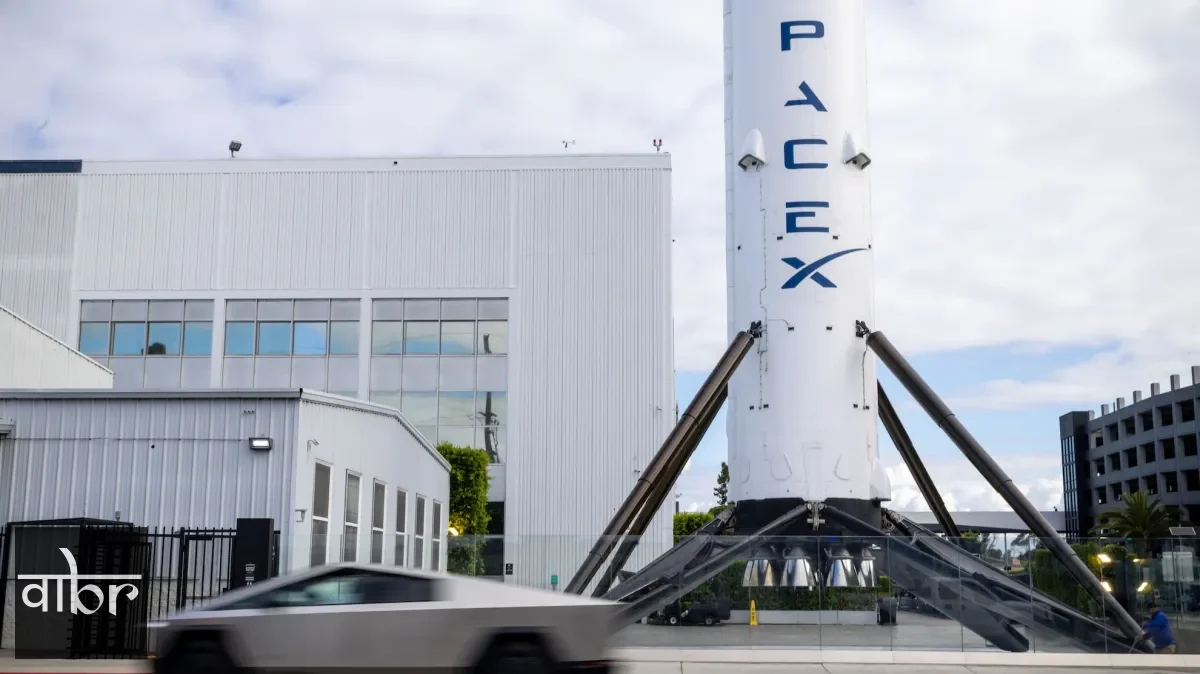
- Discover how the FCC approved SpaceX plan to deploy AI data centers in space, bypassing key scientific concerns to reshape enterprise cloud computing.
- FCC Approves SpaceX Plan to Deploy Orbital AI Data Centers into Space...
FCC Approves SpaceX Plan to Deploy Orbital AI Data Centers into Space
The technological horizon has shifted dramatically as regulators clear a path for extraterrestrial computing. The recent regulatory greenlight for ai data centers in space marks a monumental turning point in how humanity scales its digital infrastructure. By authorizing commercial heavyweights to push artificial intelligence clusters beyond Earth's atmosphere, this historic decision catalyzes a paradigm shift in how we handle massive computational loads.
As the demand for heavy machine learning model training skyrockets, terrestrial energy grids and water supplies face unprecedented strain. Consequently, forward-thinking aerospace titans are looking upward. The execution of a comprehensive spacex orbital deployment strategy will soon transition from science fiction to tangible reality, fundamentally redefining global cloud computing architectures.
Deep Dive: Full Event Breakdown
The path toward establishing ai data centers in space has been fraught with regulatory hurdles, intense lobbying, and fierce scientific debate. The Federal Communications Commission formally issued its landmark decision regarding the spacex orbital deployment initiative, dismissing critical opposition from astronomical and environmental stakeholders. Critics argued that scaling ai data centers in space could severely compromise deep-sky observations and radio astronomy by cluttering low Earth orbit with massive computational clusters.
However, the commission ultimately determined that several key concerns regarding potential threats to scientific research fell strictly outside its statutory regulatory authority. This narrower legal interpretation paved the way for the fcc regulatory approval that proponents of spacex orbital deployment had relentlessly lobbied for. The approval blueprint outlines an aggressive timeline, leveraging heavy-lift rocketry to haul server racks, specialized liquid-cooling loops, and advanced photovoltaic power generation systems into low Earth orbit.
Industry analysts tracking ai data centers in space note that this ruling establishes a controversial legal precedent. Regulatory bodies may increasingly separate telecommunications licensing from broader environmental or scientific oversight when evaluating commercial space ventures. As spacex orbital deployment proceeds, engineers are already designing the modular server architecture required to withstand extreme radiation and thermal fluctuations inherent in the vacuum of space.
Industry Impact & Strategic Implications
The broader enterprise technology sector is experiencing a seismic shift as the reality of ai data centers in space sets in. Traditional hyperscalers like Amazon, Microsoft, and Google have spent billions building massive land-based server farms. However, the energy constraints of terrestrial facilities are becoming a major bottleneck. Through aggressive spacex orbital deployment, the economics of power generation change entirely. Unobstructed solar radiation in orbit provides a continuous, highly efficient energy source that dwarfs terrestrial green energy output.
Furthermore, the strategic implications for global telecommunications and sovereign cloud infrastructure are profound. Nations without domestic silicon manufacturing capabilities or massive energy reserves could soon lease orbital processing power via secure satellite links. Integrating ai data centers in space with an existing satellite broadband network creates a seamless, low-latency web of intelligence operating entirely outside national borders.
Competitors within the aerospace and defense sectors are rushing to draft counter-strategies. The race for space based computing is no longer a futuristic exploratory exercise; it is an immediate commercial land grab. Companies specializing in orbital computing infrastructure are seeing unprecedented venture capital inflows as investors realize that spacex orbital deployment represents the ultimate high-growth frontier for enterprise technology.
Technical / Market Analysis
Analyzing the economic and engineering viability of ai data centers in space reveals both staggering opportunities and formidable technical challenges. Terrestrial data centers require millions of gallons of water for cooling and massive amounts of coal, natural gas, or nuclear power to sustain generative AI workloads. In contrast, ai data centers in space utilize the harsh vacuum to radiate thermal energy away from high-performance silicon chips through specialized radiative cooling panels.
Despite these advantages, the technical hurdles of maintaining low Earth orbit servers are immense. Cosmic rays, solar proton events, and geomagnetic storms can easily corrupt data memory and damage sensitive semiconductor circuits. Therefore, building robust artificial intelligence infrastructure in orbit requires unprecedented levels of error-correction, radiation-hardened microprocessors, and automated modular maintenance bots.
Market forecasts indicate that the commercial market for space based computing could exceed tens of billions of dollars within the next decade. As the cost per kilogram to orbit plummets due to rapid advancements in heavy-lift rocketry and reusable launch vehicles, deploying ai data centers in space becomes financially viable for enterprise clients seeking unlimited scalability. The ongoing evolution of orbital computing infrastructure will likely mirror the explosive growth of terrestrial cloud computing seen throughout the late 2000s.
What This Means for Consumers and Developers
For everyday software developers, the normalization of ai data centers in space will unlock entirely new classes of applications. Real-time global spatial computing, highly responsive autonomous vehicle networks, and instantaneous global translation models will benefit immensely from a unified space based computing backbone. Developers will no longer be bottlenecked by regional server latency or local power outages.
Consumers, meanwhile, will experience faster, more reliable, and omnipresent AI-driven digital services. Whether streaming immersive extended reality content or interacting with advanced neural personal assistants, the heavy computational lifting will increasingly occur miles above our heads. As ai data centers in space scale up, the digital experiences available to end-users will become smoother, more intelligent, and seamlessly interconnected across land, sea, and air.
Key Takeaways (Detailed bullet points)
The FCC formally approved the controversial plan to establish ai data centers in space, dismissing external scientific objections due to statutory jurisdiction limits. The foundational strategy relies heavily on rapid, high-capacity spacex orbital deployment to haul heavy server hardware into low Earth orbit. Terrestrial energy and water constraints are completely bypassed by harnessing continuous, unobstructed solar power and vacuum-assisted radiative cooling. Major industry players are scrambling to develop resilient artificial intelligence infrastructure capable of withstanding severe solar radiation and cosmic ray interference. Integrating space based computing with existing satellite broadband network architectures will redefine global enterprise cloud distribution.
The Road Ahead (Forward-looking conclusion)
The regulatory approval of ai data centers in space is merely the opening salvo in a much larger commercial and technological revolution. As aerospace engineers refine heavy-lift launch cadences and pioneer fault-tolerant orbital computing infrastructure, the boundary between Earth-bound technology and celestial engineering will continue to dissolve. While astronomers and environmental scientists raise legitimate concerns regarding deep space interference and orbital crowding, the commercial momentum behind spacex orbital deployment is currently unstoppable. Humanity is standing on the precipice of a truly interplanetary digital age, where the vast expanse of the cosmos will serve as the ultimate engine for artificial intelligence and global data processing.
Strategic Industry Takeaways & Future Outlook
When evaluating the broader technological shift, ai data centers in space serves as a defining benchmark for modern standards. Industry analysts emphasize that continuing developments in ai data centers in space will dictate user adoption and market expansion.
When evaluating the broader technological shift, ai data centers in space serves as a defining benchmark for modern standards. Industry analysts emphasize that continuing developments in ai data centers in space will dictate user adoption and market expansion.
Furthermore, strategic integration surrounding spacex orbital deployment remains a crucial priority for stakeholders. Ensuring high performance across spacex orbital deployment is expected to deliver long-term competitive advantages.
Furthermore, strategic integration surrounding spacex orbital deployment remains a crucial priority for stakeholders. Ensuring high performance across spacex orbital deployment is expected to deliver long-term competitive advantages.
Furthermore, strategic integration surrounding spacex orbital deployment remains a crucial priority for stakeholders. Ensuring high performance across spacex orbital deployment is expected to deliver long-term competitive advantages.
Furthermore, strategic integration surrounding spacex orbital deployment remains a crucial priority for stakeholders. Ensuring high performance across spacex orbital deployment is expected to deliver long-term competitive advantages.
Key factors influencing this sector also include starship launch cadence , each playing an essential role in ongoing development and implementation.
📌 Related Briefings & Stories
Avengers Doomsday Patrick Stewart Tribute Confirmed by Kevin Feige OpenAI ChatGPT Limits Hit Harder as Chat and Work Merge Jensen Huang Broke Nvidia Code of Conduct and Employees Notice
Varta Brief Team
· Newsroom DeskReported, verified, and published by the Varta Brief editorial desk with an uncompromising commitment to primary-source verification and independent journalism.
Related Dispatches
More in Technology →
Fortnite Pirate Shop Token Crackdown Targets Cheaters and Exploits
Discover how Epic Games enforces strict penalties in the Fortnite Pirate Shop Token crackdown, targeting illicit exploits and preserving fair play.

The 25 Best PS5 Games in 2026: Definitive PlayStation 5 Ranking
Discover the 25 best PS5 games in 2026, featuring groundbreaking masterpieces like GTA 6, Star Wars: Galactic Racer, and top PlayStation 5 experiences.

How to Get Adrenaline in GTA 6: Deep Dive Into Rockstar's Mechanics
Master how to get adrenaline in GTA 6 with our comprehensive guide. Explore robbery locations, ambulance loot spots, and Rockstar mechanics.