AI PACs Spending Spree: How Millions Shaped the 2026 Midterm Elections
Discover how AI PACs spent millions during the 2026 midterms to shape Congress, analyzing their strategies, mixed results, and future political impacts.

Varta Brief Team
Wednesday, November 4, 2026
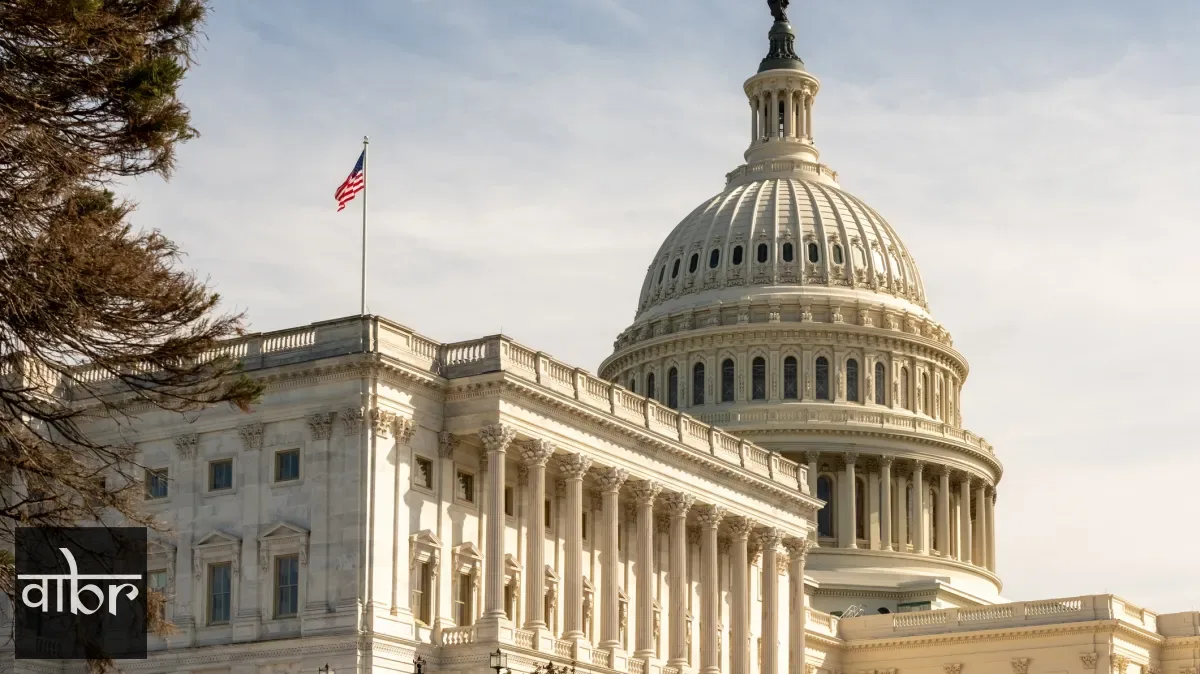
- Discover how AI PACs spent millions during the 2026 midterms to shape Congress, analyzing their strategies, mixed results, and future political impacts.
- AI PACs Spending Spree: How Millions Shaped the 2026 Midterm Elections...
AI PACs Spending Spree: How Millions Shaped the 2026 Midterm Elections
As the smoke clears from the ballot boxes, a new era of political influence has officially taken center stage. The recent electoral cycle saw unprecedented capital deployment, highlighting a massive surge in AI PACs spending across the United States. Throughout the 2026 midterms, major technological conglomerates, venture capitalists, and independent advocacy groups poured unprecedented financial resources into congressional races. The overarching objective was singular and unapologetic: to secure a friendly legislative environment capable of guiding artificial intelligence policy for the coming decade. Yet, despite the staggering war chests and sophisticated targeting mechanisms, the actual return on investment for these digital interest groups yielded remarkably mixed results. This comprehensive investigative report explores the mechanics of AI PACs spending, the strategic maneuvers behind tech lobbying, and what the evolving landscape of political action committees means for the future of artificial intelligence regulations.
Deep Dive: Full Event Breakdown
The trajectory of AI PACs spending during the 2026 midterms represents a watershed moment in modern campaign finance. For months, political observers watched as newly formed political action committees raised millions of dollars from prominent figures in Silicon Valley, Austin, and major innovation hubs. These funds were not directed toward generic party support; rather, AI PACs spending targeted specific congressional races where incumbents and challengers held polarized views on automated data systems, copyright law, foundational model liabilities, and federal compute infrastructure subsidies.
During the heat of the primary season and the general election build-up, artificial intelligence policy became a litmus test for candidates seeking endorsements and financial backing. Pro-innovation political action committees deployed aggressive digital ad campaigns, funded independent expenditure groups, and organized grassroots mobilization efforts. However, the efficacy of AI PACs spending varied wildly depending on geography and local voter demographics. In districts heavily reliant on traditional manufacturing or agriculture, heavy-handed tech lobbying occasionally backfired, alienating constituents wary of rapid technological displacement. Conversely, in suburban districts with high concentrations of tech workers, AI PACs spending successfully elevated candidates who championed light-touch federal oversight. Ultimately, while some favored candidates swept into office with decisive victories, others supported by massive cash injections suffered unexpected defeats, proving that financial dominance alone cannot completely override local political dynamics.
Industry Impact & Strategic Implications
The ramifications of recent AI PACs spending extend far beyond the immediate outcomes of individual congressional races. Industry leaders are now conducting rigorous post-mortem analyses to evaluate why certain artificial intelligence policy initiatives gained traction while others stalled. Tech lobbying strategies are undergoing a profound transformation as executives realize that traditional campaign donations must be coupled with deeper community engagement and transparent education regarding automation and machine learning.
Political action committees representing the tech sector are shifting their focus from broad-brush endorsements to hyper-targeted district-level interventions. As artificial intelligence regulations loom large on the horizon of the newly seated Congress, the corporate architects behind AI PACs spending are recalibrating their lobbying agendas. They recognize that lawmakers are increasingly sensitive to issues concerning algorithmic bias, workforce displacement, and national security implications. Consequently, future advocacy efforts will likely emphasize collaborative frameworks rather than purely defensive maneuvers against regulatory compliance.
Technical / Market Analysis
To understand the true scale and intent behind AI PACs spending, one must examine the macroeconomic environment driving these financial commitments. The valuation of generative platforms, enterprise automation tools, and semiconductor manufacturing has skyrocketed, creating immense corporate treasuries eager to protect their market positions. By influencing artificial intelligence policy, these entities aim to preemptively neutralize hostile legislation that could stifle innovation or impose burdensome compliance mandates.
From a market analytics perspective, the deployment of political action committees correlates directly with venture capital investment flows into specific technological sub-sectors. Regions experiencing explosive growth in machine learning research were the primary epicenters of AI PACs spending. Analysts note that campaign finance data reveals a direct alignment between corporate research and development expenditures and political contributions directed toward key congressional races. As artificial intelligence regulations evolve globally, domestic tech firms view strategic political alignment as a critical component of risk mitigation and market capitalization preservation.
What This Means for Consumers and Developers
For everyday consumers and independent software developers, the intense wave of AI PACs spending carries profound implications. On one hand, deep-pocketed tech lobbying can ensure that federal funding continues to support vital research infrastructure, open-source development, and educational initiatives necessary to maintain global technological leadership. On the other hand, critics argue that excessive corporate influence over artificial intelligence policy risks sidelining critical consumer protections regarding data privacy, algorithmic transparency, and ethical accountability.
Developers navigating the complex web of artificial intelligence regulations will feel the downstream effects of these electoral outcomes. A Congress shaped by well-funded political action committees may lean toward favorable compliance standards that protect established corporate ecosystems, potentially raising barriers to entry for smaller startups. Therefore, understanding the intersection of AI PACs spending and legislative rulemaking is essential for anyone building or deploying next-generation digital tools.
Key Takeaways (Detailed bullet points)
Massive Financial Deployment: Record-breaking levels of AI PACs spending characterized the 2026 midterms, reflecting the tech sector's urgency in shaping federal legislation. Mixed Electoral Outcomes: Despite massive capital injections into key congressional races, tech-backed candidates experienced a mix of decisive victories and surprising losses. Focus on Regulation: The primary motivation behind these financial contributions was influencing upcoming artificial intelligence policy and preempting restrictive compliance mandates. Evolution of Lobbying: Political action committees are moving away from broad campaigns toward hyper-targeted, community-focused tech lobbying strategies. Future Preparedness: Industry leaders are already analyzing election outcomes to refine their approaches for upcoming legislative sessions and future elections.
The Road Ahead (Forward-looking conclusion)
The dust may have settled on the recent electoral battles, but the campaign for the soul of federal technology governance is only beginning. As the newly elected Congress prepares to tackle complex debates surrounding artificial intelligence policy, the legacy of recent AI PACs spending will heavily influence legislative priorities. Political action committees are already preparing for the next major election cycle, signaling that tech lobbying is a permanent fixture of modern American democracy.
Ultimately, the interplay between corporate capital, congressional oversight, and public interest will determine whether artificial intelligence regulations foster a thriving ecosystem of innovation or descend into protective stagnation. Stakeholders across the technological spectrum must remain vigilant, ensuring that the development of advanced digital tools serves the broader public good while maintaining economic competitiveness on the global stage.
Strategic Industry Takeaways & Future Outlook
When evaluating the broader technological shift, AI PACs spending serves as a defining benchmark for modern standards. Industry analysts emphasize that continuing developments in AI PACs spending will dictate user adoption and market expansion.
Furthermore, strategic integration surrounding artificial intelligence policy remains a crucial priority for stakeholders. Ensuring high performance across artificial intelligence policy is expected to deliver long-term competitive advantages.
Furthermore, strategic integration surrounding artificial intelligence policy remains a crucial priority for stakeholders. Ensuring high performance across artificial intelligence policy is expected to deliver long-term competitive advantages.
Furthermore, strategic integration surrounding artificial intelligence policy remains a crucial priority for stakeholders. Ensuring high performance across artificial intelligence policy is expected to deliver long-term competitive advantages.
Furthermore, strategic integration surrounding artificial intelligence policy remains a crucial priority for stakeholders. Ensuring high performance across artificial intelligence policy is expected to deliver long-term competitive advantages.
Furthermore, strategic integration surrounding artificial intelligence policy remains a crucial priority for stakeholders. Ensuring high performance across artificial intelligence policy is expected to deliver long-term competitive advantages.
Key factors influencing this sector also include tech industry influence , each playing an essential role in ongoing development and implementation.
📌 Related Briefings & Stories
Nothing AI device launch next month: Everything we know about the upcoming hardware Why AI Agents Failed to Book Your Uber Rides in Silicon Valley OpenAI 2028 election strategy: Chris Lehane aims to shape the political future
Varta Brief Team
· Newsroom DeskReported, verified, and published by the Varta Brief editorial desk with an uncompromising commitment to primary-source verification and independent journalism.
Related Dispatches
More in Technology →
Amazon Decart Acquisition Signals Bold Move to Challenge Nvidia AI Dominance
Amazon buys Decart for $7.5B to optimize Trainium silicon and reshuffle the Nvidia AI chip race across enterprise cloud computing infrastructure.

Nvidia Board Governance Tested as Jensen Huang Discloses Additional Affairs
A detailed investigation into how revelations around Jensen Huang leadership impact corporate stability, chip markets, and Nvidia's standing with investors.

GTA 6 Sets Historic Record as the Biggest Launch in PlayStation History
Discover how GTA 6 became the biggest launch in PlayStation history, shattering records and reshaping the modern gaming landscape with unprecedented sales.