Apple TV Sign Language Integration Redefines Streaming Accessibility
Apple TV introduces built-in sign language interpretation, transforming Apple TV accessibility for deaf and hard-of-hearing viewers globally.

Varta Brief Team
Wednesday, November 11, 2026
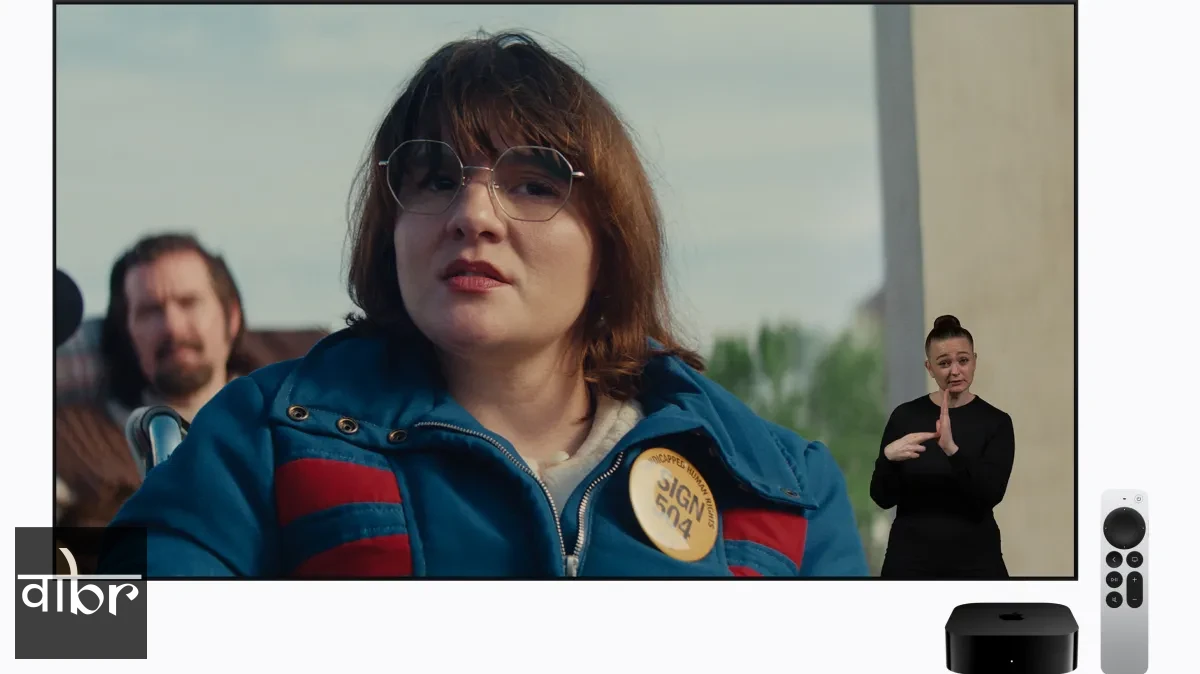
- Apple TV introduces built-in sign language interpretation, transforming Apple TV accessibility for deaf and hard-of-hearing viewers globally.
- Apple TV Sign Language Integration Redefines Streaming Accessibility...
Apple TV Sign Language Integration Redefines Streaming Accessibility
In a landmark move that promises to permanently reshape the digital entertainment landscape, Apple has officially introduced native sign language interpretation directly into its hardware and software ecosystem. For years, advocates for deaf and hard-of-hearing streaming audiences have argued that standard subtitles and closed captions, while helpful, fail to convey the emotional nuance, tonal inflection, and cultural richness native to sign languages. By addressing this persistent gap, Apple TV sign language features now offer a seamless, deeply integrated viewing mode that elevates Apple TV accessibility to unprecedented heights. This comprehensive investigative report explores the technical architecture, market implications, and profound cultural impact of this major industry update.
Deep Dive: Full Event Breakdown
The announcement surrounding Apple TV sign language capabilities marks a definitive turning point in how global media companies approach inclusive design. Historically, viewers requiring sign language interpretation had to rely on separate video tracks, clumsy picture-in-picture third-party applications, or specialized web browsers that frequently desynced from the primary media stream. With the latest update, Apple TV sign language tracks are embedded directly into the master stream container. Users can toggle Apple TV accessibility options directly from the standard audio and subtitle menu during playback.
Industry insiders note that the implementation of Apple TV sign language required extensive collaboration with linguistic experts, cultural consultants, and prominent members of the deaf community. Ensuring accurate translation, appropriate framing of interpreters, and proper synchronization across varying network conditions proved to be a significant engineering hurdle. Yet, the resulting Apple TV accessibility framework establishes a gold standard for the entire consumer electronics industry. By making Apple TV sign language natively selectable, Apple has effectively removed the technological friction that previously alienated millions of potential subscribers who rely on visual-gestural communication.
Industry Impact & Strategic Implications
The introduction of native Apple TV sign language and enhanced Apple TV accessibility features sends a powerful message to competing media conglomerates and streaming hardware manufacturers. For too long, accessibility has been treated as an afterthought—a compliance checkbox rather than a core pillar of product development. As deaf and hard-of-hearing streaming communities increasingly demand equitable access to prestige television and blockbuster films, platforms that fail to adopt native sign language support risk facing severe reputational and market obsolescence.
Competitors in the living room ecosystem are now forced to re-evaluate their own roadmap priorities. The democratization of Apple TV sign language demonstrates that consumers expect hardware and software to harmonize effortlessly. Furthermore, this move strengthens the broader Apple TV user experience, proving that specialized assistive tools can be designed with elegance and simplicity without sacrificing professional broadcast standards. Industry analysts predict that within the next twenty-four months, native sign language support will transition from a luxury differentiator to an absolute baseline requirement for all tier-one streaming devices.
Technical / Market Analysis
From a technical perspective, supporting Apple TV sign language at a systemic level involves sophisticated container handling, dynamic bitrate streaming optimizations, and advanced video overlay rendering. Traditional closed captioning relies on text strings rendered locally by the client device. In contrast, Apple TV sign language requires high-definition, low-latency video streams to be decoded in parallel with the primary movie or television episode. Apple’s custom silicon chips on tvOS devices handle this dual-video decoding process effortlessly, ensuring zero frame drops or audio-visual desynchronization.
Market analysis indicates that prioritizing Apple TV accessibility is not merely a philanthropic endeavor; it represents a shrewd economic calculation. The global demographic of deaf and hard-of-hearing individuals represents a multi-billion-dollar consumer market with considerable brand loyalty. By removing structural barriers to entertainment, Apple is capturing a dedicated segment of viewers who previously found modern streaming platforms frustrating to navigate. The financial return on investment for inclusive design in entertainment is becoming increasingly clear as tech giants vie for saturated consumer attention.
What This Means for Consumers and Developers
For everyday consumers, the deployment of Apple TV sign language means unprecedented freedom and comfort. Viewers no longer need to compromise between visual aesthetics and comprehensive comprehension. The intuitive nature of the new Apple TV accessibility menus ensures that elderly users and tech-novice viewers alike can activate interpretation tracks with a single remote click or voice command.
For application developers and content creators, this update underscores the urgent need to embrace inclusive design in entertainment from the ground up. Studios producing original content for streaming services must now budget for, film, and deliver synchronized interpretation tracks alongside traditional dubs and subtitles. Developers building video playback apps for tvOS must update their user interfaces to accommodate native streaming platform accessibility APIs, ensuring their custom players do not inadvertently block Apple TV sign language functionality.
Key Takeaways
Native Apple TV sign language integration eliminates the need for clumsy third-party workarounds and external apps. Enhanced Apple TV accessibility options set a new benchmark for deaf and hard-of-hearing streaming experiences. High-performance tvOS hardware successfully manages dual high-definition video streams without performance degradation. Competitors in the streaming hardware market face mounting pressure to adopt native sign language support. Content creators and studios must adapt their production pipelines to include professional interpretation tracks. Inclusive design is rapidly evolving from a niche compliance metric into a primary driver of consumer brand loyalty.
The Road Ahead
As the dust settles on this major software rollout, the future of digital entertainment looks decidedly more inclusive. The success of Apple TV sign language proves that technological innovation and social equity can—and should—go hand in hand. By continuously refining Apple TV accessibility, Apple has challenged the entire technology sector to rethink how products are built and for whom they are designed. Moving forward, the industry will undoubtedly watch closely as other tech giants attempt to match the depth, polish, and reliability of Apple TV sign language integration. Ultimately, this milestone serves as a vital reminder that the true measure of technological progress lies in its ability to connect all people without exception.
Strategic Industry Takeaways & Future Outlook
Furthermore, strategic integration surrounding Apple TV accessibility remains a crucial priority for stakeholders. Ensuring high performance across Apple TV accessibility is expected to deliver long-term competitive advantages.
Furthermore, strategic integration surrounding Apple TV accessibility remains a crucial priority for stakeholders. Ensuring high performance across Apple TV accessibility is expected to deliver long-term competitive advantages.
Furthermore, strategic integration surrounding Apple TV accessibility remains a crucial priority for stakeholders. Ensuring high performance across Apple TV accessibility is expected to deliver long-term competitive advantages.
Furthermore, strategic integration surrounding Apple TV accessibility remains a crucial priority for stakeholders. Ensuring high performance across Apple TV accessibility is expected to deliver long-term competitive advantages.
Key factors influencing this sector also include iOS tvOS accessibility features , assistive technology updates , media accessibility standards , each playing an essential role in ongoing development and implementation.
📌 Related Briefings & Stories
Testing Starlink Satellite Internet for Online Gaming Performance Microsoft’s DLSS competitor is out for the Xbox Ally X an... Sundrop App Transforms Baby Photos Into Keepsakes Without Cloud Servers
Varta Brief Team
· Newsroom DeskReported, verified, and published by the Varta Brief editorial desk with an uncompromising commitment to primary-source verification and independent journalism.
Related Dispatches
More in Technology →
Amazon Decart Acquisition Signals Bold Move to Challenge Nvidia AI Dominance
Amazon buys Decart for $7.5B to optimize Trainium silicon and reshuffle the Nvidia AI chip race across enterprise cloud computing infrastructure.

Nvidia Board Governance Tested as Jensen Huang Discloses Additional Affairs
A detailed investigation into how revelations around Jensen Huang leadership impact corporate stability, chip markets, and Nvidia's standing with investors.

GTA 6 Sets Historic Record as the Biggest Launch in PlayStation History
Discover how GTA 6 became the biggest launch in PlayStation history, shattering records and reshaping the modern gaming landscape with unprecedented sales.