Arc browser sunsets December 22 as The Browser Company shifts to Dia
Arc browser sunsets December 22 as The Browser Company shifts focus to Dia, ending the journey of a beloved cult classic web surfing tool.

Varta Brief Team
Thursday, October 22, 2026
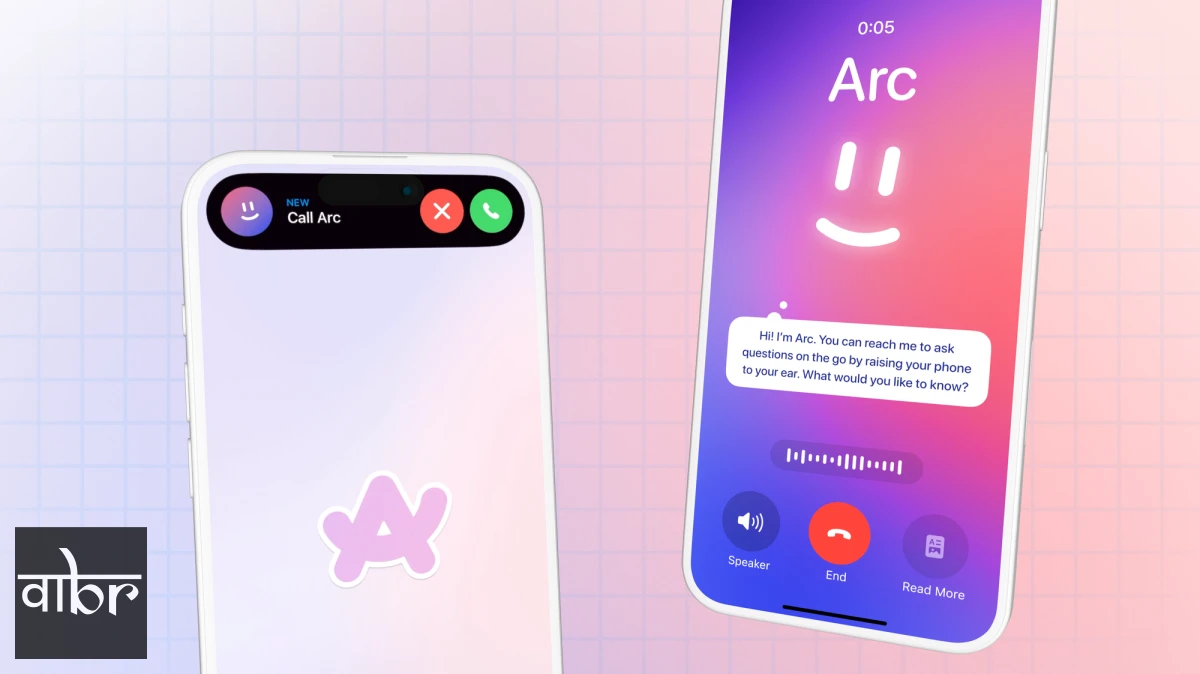
- Arc browser sunsets December 22 as The Browser Company shifts focus to Dia, ending the journey of a beloved cult classic web surfing tool.
- Arc browser sunsets December 22 as The Browser Company shifts to Dia...
Arc browser sunsets December 22 as The Browser Company shifts to Dia
In a move that has sent shockwaves through the tech enthusiast community, The Browser Company has officially announced that the Arc browser sunsets December 22. For years, the application stood as a beacon of creative software engineering, winning over power users with its radical approach to tab management and user interface design. However, as reality set in regarding mass-market adoption, leadership realized that the product was not capturing the broader public in the way a true Chrome alternative needed to. Consequently, The Browser Company is officially sunsetting its flagship product to redirect its full engineering and design might toward its next-generation creation, Dia.
Deep Dive: Full Event Breakdown
The announcement that the Arc browser sunsets December 22 arrived via an emotional company blog post and video message from the leadership team at The Browser Company. Launched with immense fanfare, Arc was designed to completely reinvent how humans interact with the internet. It introduced features like Spaces, split-view tabs, and a persistent sidebar that replaced the traditional top-mounted tab bar. Yet, despite cultivating a fiercely loyal cult following among developers, designers, and tech journalists, the application ultimately struggled to break out of its niche. When Arc browser sunsets December 22, it will mark the end of an audacious experiment in browser innovation that proved inspiring yet commercially constrained. The Browser Company noted that maintaining and upgrading the complex underlying architecture while chasing massive scale was no longer viable, leading directly to the decision to pivot toward the upcoming Dia browser launch.
Industry Impact & Strategic Implications
The decision by The Browser Company to abandon its original masterpiece in favor of a clean break has profound implications for the broader web browser market. For years, challenger startups have attempted to unseat incumbent tech giants like Google, Apple, and Microsoft. While Arc carved out an influential space in productivity software, its closure underscores the brutal economic realities of consumer software. Building a sustainable Chrome alternative requires millions of dollars in infrastructure costs and continuous security updates, a burden that few independent firms can shoulder indefinitely without mainstream scale. Industry analysts view the timing of when Arc browser sunsets December 22 as a pivotal inflection point for The Browser Company. By consolidating resources, the organization hopes to capture lightning in a bottle once again with a product designed from the ground up for a wider audience.
Technical / Market Analysis
From a technical perspective, the architecture powering Arc pushed modern web engines to their absolute limits. Built on top of Chromium, the app integrated advanced sidebar organization, developer tools, and lightweight automation scripts that charmed early adopters. However, this heavy layer of custom user interface logic occasionally introduced performance overhead and memory management challenges, a frequent pain point for users juggling dozens of heavy web applications. The Browser Company learned invaluable lessons regarding performance optimization and user experience design during this journey. These technical insights are currently being funneled directly into the core framework of their upcoming venture. As Arc browser sunsets December 22, current users are left wondering how their favorite workflows will transition, with engineers promising robust export tools and migration pathways to help ease the inevitable friction.
What This Means for Consumers and Developers
For the millions of loyalists who made Arc their daily driver, the news that the Arc browser sunsets December 22 is a bitter pill to swallow. The app transformed mundane web browsing into an organized, aesthetic experience, proving that a tech startup could genuinely rethink decades-old UX paradigms. Developers who integrated custom boosts and extensions into the ecosystem must now re-evaluate their digital workflows. Meanwhile, The Browser Company has assured its community that support documents and community channels will remain active temporarily, ensuring a graceful wind-down period before the servers are eventually decommissioned. The primary focus of the firm is now entirely locked onto securing a successful transition for its user base into the new ecosystem.
Key Takeaways
Official Timeline: The Arc browser sunsets December 22, concluding years of innovative product development by The Browser Company. Strategic Shift: Leadership is redirecting all engineering horsepower toward the upcoming launch of Dia, a reimagined mass-market product. Market Realities: Despite critical acclaim, the application failed to achieve the massive scale required to unseat entrenched giants in the web browser market. User Transition: The Browser Company is providing data migration tools and guidance to help loyalists transition away from the platform. Enduring Legacy: The design principles pioneered by the team will undoubtedly influence future productivity software and browser innovation for years to come.
The Road Ahead
As the technology sector watches the final chapter unfold, the impending date when the Arc browser sunsets December 22 serves as a sobering reminder of the challenges facing independent software creators. While the loss of such a vibrant tool stings, the ambitions of The Browser Company remain undiminished. By applying the hard-won lessons of their first major undertaking, the team enters its next chapter with clearer eyes and sharper execution strategies. Whether Dia can achieve the mass-market adoption that ultimately eluded its predecessor remains one of the most closely watched storylines in the modern tech ecosystem.
Strategic Industry Takeaways & Future Outlook
When evaluating the broader technological shift, Arc browser sunsets serves as a defining benchmark for modern standards. Industry analysts emphasize that continuing developments in Arc browser sunsets will dictate user adoption and market expansion.
When evaluating the broader technological shift, Arc browser sunsets serves as a defining benchmark for modern standards. Industry analysts emphasize that continuing developments in Arc browser sunsets will dictate user adoption and market expansion.
Furthermore, strategic integration surrounding The Browser Company remains a crucial priority for stakeholders. Ensuring high performance across The Browser Company is expected to deliver long-term competitive advantages.
📌 Related Briefings & Stories
Startup Growth Strategy Revealed: Why Early Sales Aren't Enough 1Password AI agent authentication protocol transforms digital security forever The Evolution of RPG Jerk Companions in Modern Gaming
Varta Brief Team
· Newsroom DeskReported, verified, and published by the Varta Brief editorial desk with an uncompromising commitment to primary-source verification and independent journalism.
Related Dispatches
More in Technology →
Amazon Decart Acquisition Signals Bold Move to Challenge Nvidia AI Dominance
Amazon buys Decart for $7.5B to optimize Trainium silicon and reshuffle the Nvidia AI chip race across enterprise cloud computing infrastructure.

Nvidia Board Governance Tested as Jensen Huang Discloses Additional Affairs
A detailed investigation into how revelations around Jensen Huang leadership impact corporate stability, chip markets, and Nvidia's standing with investors.

GTA 6 Sets Historic Record as the Biggest Launch in PlayStation History
Discover how GTA 6 became the biggest launch in PlayStation history, shattering records and reshaping the modern gaming landscape with unprecedented sales.