Autonomous Edge AI Systems: Decentralizing Intelligence
Discover how decentralized edge AI systems are transforming industrial automation, reducing cloud dependency, and enhancing data privacy.

Varta Brief Team
Wednesday, September 16, 2026
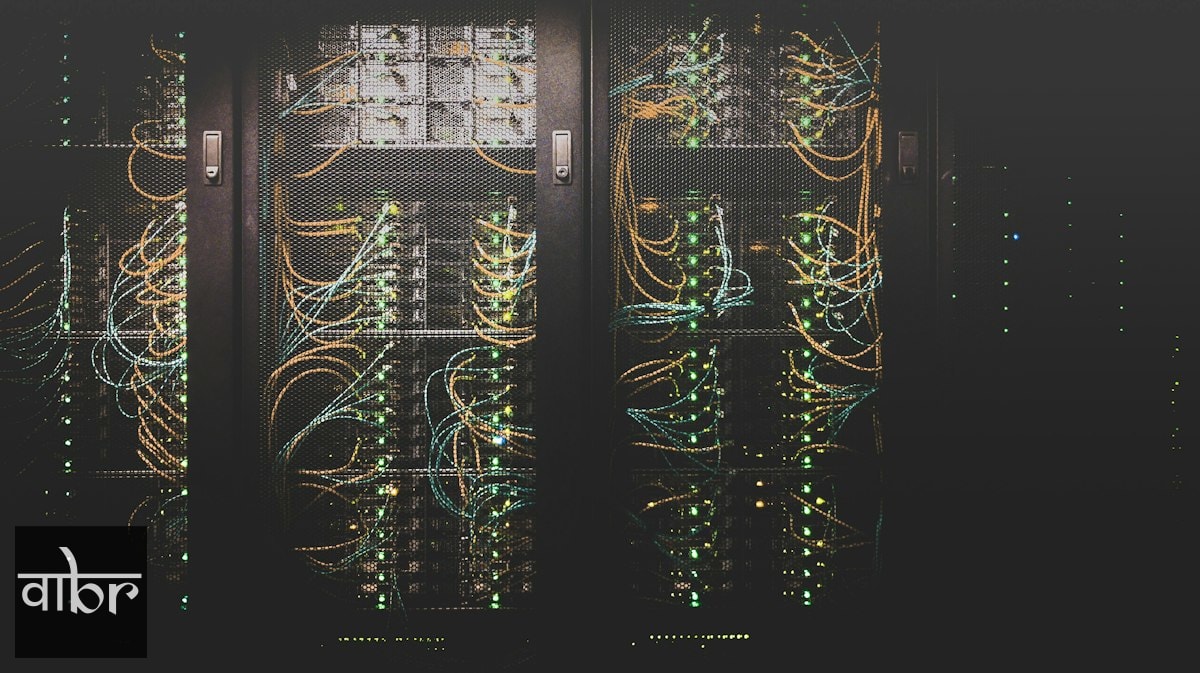
- Discover how decentralized edge AI systems are transforming industrial automation, reducing cloud dependency, and enhancing data privacy.
- The Shift to Decentralized Compute...
The Shift to Decentralized Compute
For years, artificial intelligence relied heavily on centralized cloud data centers for heavy computation. Today, a paradigm shift is underway toward autonomous edge AI systems. Processing data directly on local devices reduces bandwidth costs and eliminates cloud latency. Micro-controllers and specialized neural processing units make local intelligence feasible.
This decentralization strategy aligns with growing demands for data sovereignty and operational resilience. When network connectivity fails, edge devices continue operating independently. Enterprise architects increasingly prioritize this autonomous capability for mission-critical deployments.
Technical Impact on Local Processing
Edge artificial intelligence requires highly compressed model architectures. Techniques like quantization and pruning shrink massive neural networks into lightweight packages. These compact models run efficiently on hardware with constrained power budgets.
Security improves naturally when sensitive data stays on local hardware. Rather than transmitting raw video feeds or audio recordings to remote servers, devices process information locally and transmit only metadata summaries. This architecture minimizes vulnerability windows for potential cyber attacks.
Benefits of Local Edge Deployment
Zero Cloud Latency: Instantaneous decision-making loops for mechanical actuators. Enhanced Privacy: Raw personal data never leaves the physical appliance. Bandwidth Preservation: Massive reduction in continuous data streaming requirements.
Enterprise Adoption Across Sectors
Retail enterprises deploy edge cameras to analyze customer foot traffic and optimize store layouts without recording identifiable individuals. Manufacturing plants utilize acoustic sensors on assembly lines to detect impending equipment failures before breakdowns occur. These localized solutions scale smoothly across multi-site enterprise operations.
Software frameworks supporting edge deployments evolve rapidly. Developers utilize standardized toolkits to deploy identical models across diverse hardware platforms. Readers exploring broader digital transformation trends can reference insights from How to Start a Business From Home: A Step-by-Step Guide regarding resource optimization and operational independence.
Future Outlook for Edge Intelligence
Future edge nodes will possess self-learning capabilities. Instead of relying solely on offline model updates pushed from central servers, devices will adapt to novel environmental conditions in real time. Federated learning protocols will allow decentralized clusters to share insights collaboratively without exposing raw datasets.
As hardware costs decline and energy efficiency improves, edge AI will saturate everyday objects. From agricultural sensors to wearable health monitors, autonomous intelligence will operate quietly in the background of modern society.
📌 Related Briefings & Stories
6G Networks and ISAC Integration: The Next Wireless Era Quantum Computing Milestones: Scalability & Real-World Use Next-Gen AI Hardware Shifts: Enterprise Impact & Outlook
Varta Brief Team
· Newsroom DeskReported, verified, and published by the Varta Brief editorial desk with an uncompromising commitment to primary-source verification and independent journalism.
Related Dispatches
More in Technology →
Amazon Decart Acquisition Signals Bold Move to Challenge Nvidia AI Dominance
Amazon buys Decart for $7.5B to optimize Trainium silicon and reshuffle the Nvidia AI chip race across enterprise cloud computing infrastructure.

Nvidia Board Governance Tested as Jensen Huang Discloses Additional Affairs
A detailed investigation into how revelations around Jensen Huang leadership impact corporate stability, chip markets, and Nvidia's standing with investors.

GTA 6 Sets Historic Record as the Biggest Launch in PlayStation History
Discover how GTA 6 became the biggest launch in PlayStation history, shattering records and reshaping the modern gaming landscape with unprecedented sales.