Autonomous Robotics in Logistics: Fleet Orchestration Tech
Explore how advanced fleet orchestration software and autonomous mobile robots are revolutionizing global supply chains and fulfillment centers.

Varta Brief Team
Wednesday, September 16, 2026
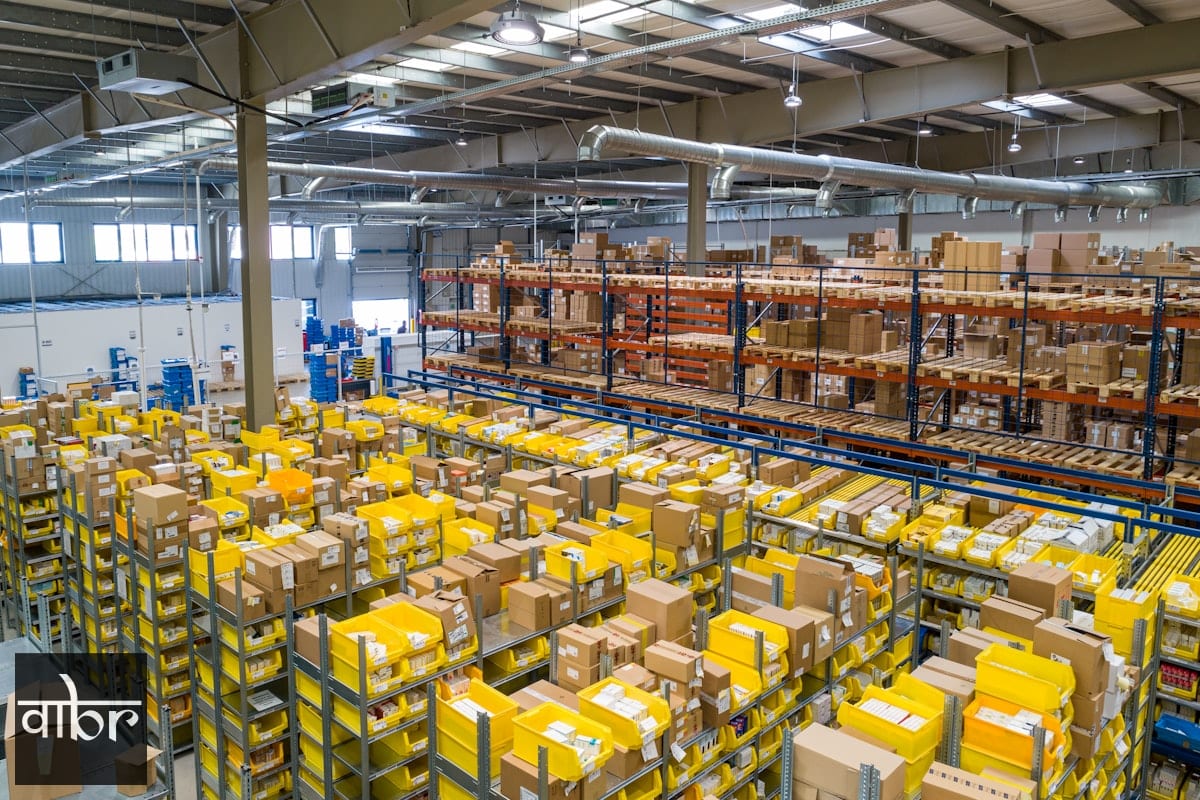
- Explore how advanced fleet orchestration software and autonomous mobile robots are revolutionizing global supply chains and fulfillment centers.
- Transforming Warehouse Operations...
Transforming Warehouse Operations
Global supply chains face relentless pressure to deliver goods faster and cheaper. Fulfillment centers increasingly deploy autonomous mobile robots to handle inventory picking, sorting, and transport. Recent software breakthroughs allow diverse fleets of robots to coordinate movements seamlessly without human intervention.
Modern orchestration engines utilize advanced pathfinding algorithms derived from artificial intelligence research. These systems prevent traffic congestion on warehouse floors and maximize operational throughput. Efficiency gains redefine modern retail logistics.
Technical Impact of Multi-Agent Systems
Older warehouse automation relied on rigid magnetic strips embedded in floors. Modern autonomous mobile robots use LiDAR, computer vision, and simultaneous localization and mapping algorithms to navigate dynamically. If an obstacle blocks a pathway, the robot calculates an alternative route instantly.
Fleet management software communicates continuously with every unit in the facility. Load balancing algorithms assign tasks based on proximity, battery levels, and current inventory priorities. This decentralized coordination minimizes downtime and extends equipment lifespans.
Fleet Orchestration Metrics
Throughput Increase: Up to 200% improvement in items picked per hour. Collision Rate: Near-zero incidents via real-time spatial awareness. Battery Management: Automated docking ensures 24/7 continuous operation.
Enterprise Adoption and Scalability
E-commerce giants and third-party logistics providers deploy thousands of autonomous robots across massive distribution hubs. Scalability is achieved through cloud-native fleet management software that updates every unit simultaneously. Training time for new facility layouts drops from months to mere hours.
Operational flexibility is paramount during peak shopping seasons. Companies easily scale robot fleets up or down by leasing additional hardware units integrated into existing software dashboards. Readers interested in foundational business scaling can reference How to Start a Business From Home: A Step-by-Step Guide for core strategic principles.
Future Outlook for Autonomous Supply Chains
Future supply chains will feature end-to-end automation. Autonomous drones will unload shipping containers, autonomous mobile robots will stock shelves, and self-driving trucks will transport goods between cities. Human workers will transition from physical labor to supervisory and engineering roles.
Safety and standardization remain key priorities for regulatory bodies. As autonomous fleets become ubiquitous, robust communication protocols will ensure smooth interoperability across different corporate logistics networks.
📌 Related Briefings & Stories
Biotech Computing Breakthroughs: DNA Data Storage & Bio-AI Green Data Centers: Innovations in Power and Cooling Tech Advanced Cybersecurity in the Age of Autonomous AI Threats
Varta Brief Team
· Newsroom DeskReported, verified, and published by the Varta Brief editorial desk with an uncompromising commitment to primary-source verification and independent journalism.
Related Dispatches
More in Technology →
Amazon Decart Acquisition Signals Bold Move to Challenge Nvidia AI Dominance
Amazon buys Decart for $7.5B to optimize Trainium silicon and reshuffle the Nvidia AI chip race across enterprise cloud computing infrastructure.

Nvidia Board Governance Tested as Jensen Huang Discloses Additional Affairs
A detailed investigation into how revelations around Jensen Huang leadership impact corporate stability, chip markets, and Nvidia's standing with investors.

GTA 6 Sets Historic Record as the Biggest Launch in PlayStation History
Discover how GTA 6 became the biggest launch in PlayStation history, shattering records and reshaping the modern gaming landscape with unprecedented sales.