Biosignatures in Exoplanet Atmospheres: Current Reality
An analytical review of current space telescope efforts to identify reliable biosignatures and atmospheric biomarkers on distant exoplanets.

Varta Brief Team
Friday, September 18, 2026
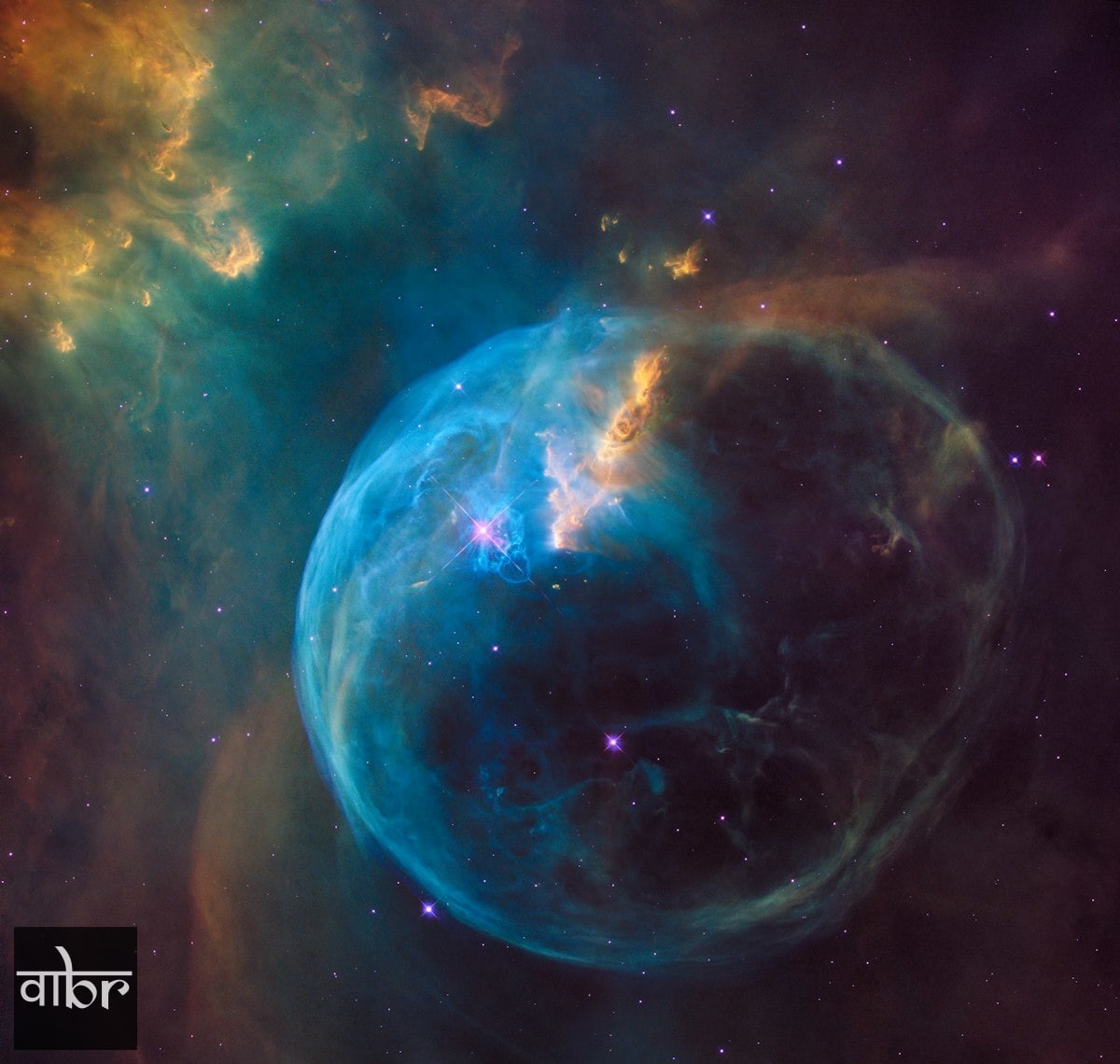
- An analytical review of current space telescope efforts to identify reliable biosignatures and atmospheric biomarkers on distant exoplanets.
- The Quest for Extraterrestrial Biomarkers...
The Quest for Extraterrestrial Biomarkers
The search for life beyond Earth relies heavily on detecting atmospheric biosignatures. Space telescope deep-space observation missions now target terrestrial exoplanets within habitable zones. Identifying gases like oxygen, methane, and ozone in disequilibrium provides the strongest indirect evidence of biological activity.
However, distinguishing biogenic gases from abiotic sources remains a monumental scientific hurdle. Geological processes, volcanic outgassing, and stellar UV radiation can produce identical chemical signatures. Astrobiologists must evaluate contextual planetary metrics to rule out false positives before making definitive claims.
Defining Disequilibrium Chemistry
Planetary atmospheres naturally tend toward chemical equilibrium over time. When reactive gases coexist in stable proportions that violate thermodynamic equilibrium, something must actively replenish them. On Earth, biological processes maintain this balance by continuously producing oxygen and methane.
Space telescopes measure transmission and emission spectra to test for these exact chemical imbalances. When researchers detect anomalous gas combinations on an exoplanet, they simulate full planetary ecosystems to test alternative, non-biological explanations. This meticulous methodology ensures scientific integrity and guards against premature conclusions.
Primary Biomarker Candidates
Molecular oxygen paired with reducing gases like methane. Ozone layers serving as a proxy for high-altitude oxygen. Nitrous oxide produced by microbial nitrogen cycling. Surface reflectance features linked to photosynthetic pigments.
Contextualizing Habitable Zone Worlds
Detecting a biomarker requires deep knowledge of the host star and planetary geology. A rocky planet orbiting an active red dwarf star faces intense stellar flares that can strip its atmosphere or drive abiotic oxygen production through water photolysis. Therefore, space telescope campaigns gather multi-wavelength data to assess stellar activity levels.
This holistic approach prevents misinterpretations of marginal spectral features. Just as software developers enforce rigorous security protocols like those outlined in the EU Passes New Security Standards for Enterprise AI Systems , astrobiologists enforce strict evidentiary standards for life detection.
Biomarker Gas Potential Biological Source Potential Abiotic Source Verification Method Oxygen ($O_2$) Photosynthesis Photolysis of Water Check for Ozone & Water Vapor Ratios Methane ($CH_4$) Methanogenic Microbes Volcanic / Hydrothermal Measure Carbon Isotope Ratios Nitrous Oxide ($N_2O$) Microbial Denitrification Photochemical Reactions Analyze UV Stellar Flux Context
The Road Ahead for Astrobiology
The ongoing evolution of space telescope technology transforms astrobiology from speculative philosophy into rigorous empirical science. Upcoming missions will boast direct imaging capabilities, blocking out blinding host starlight to isolate faint planetary photons.
As analytical instruments grow sharper and data validation models improve, humanity stands on the precipice of answering one of history's oldest questions. The data collected today lays the analytical foundation for tomorrow's definitive discoveries.
📌 Related Briefings & Stories
JWST Reveals Carbon-Rich Atmospheres on Rocky Exoplanets Exoplanet Weather Patterns Unveiled by Space Telescopes James Webb Space Telescope Detects Water Vapor on Exoplanets
Varta Brief Team
· Newsroom DeskReported, verified, and published by the Varta Brief editorial desk with an uncompromising commitment to primary-source verification and independent journalism.
Related Dispatches
More in Technology →
Amazon Decart Acquisition Signals Bold Move to Challenge Nvidia AI Dominance
Amazon buys Decart for $7.5B to optimize Trainium silicon and reshuffle the Nvidia AI chip race across enterprise cloud computing infrastructure.

Nvidia Board Governance Tested as Jensen Huang Discloses Additional Affairs
A detailed investigation into how revelations around Jensen Huang leadership impact corporate stability, chip markets, and Nvidia's standing with investors.

GTA 6 Sets Historic Record as the Biggest Launch in PlayStation History
Discover how GTA 6 became the biggest launch in PlayStation history, shattering records and reshaping the modern gaming landscape with unprecedented sales.