Biotech Computing Breakthroughs: DNA Data Storage & Bio-AI
Discover how breakthroughs in DNA data storage and biological computing are merging molecular biology with advanced artificial intelligence.

Varta Brief Team
Wednesday, September 16, 2026
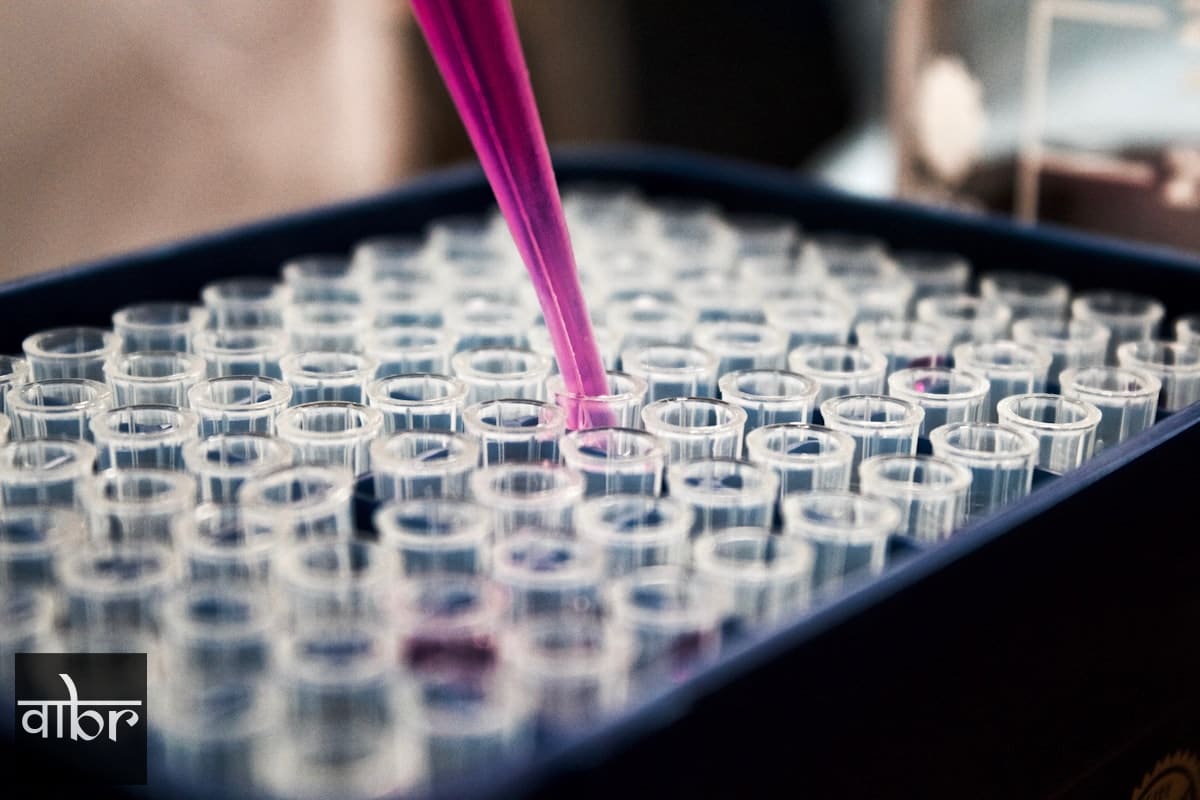
- Discover how breakthroughs in DNA data storage and biological computing are merging molecular biology with advanced artificial intelligence.
- The Convergence of Biology and Silicon...
The Convergence of Biology and Silicon
The intersection of molecular biology and computational science yields extraordinary breakthroughs. Researchers successfully store digital files inside synthetic DNA strands, leveraging nature's ultimate information archiving medium. Simultaneously, biological computing platforms integrate living neural cells with silicon micro-electrode arrays to process information organically.
These experiments challenge conventional hardware paradigms. By harnessing biochemical reactions for computation, scientists unlock unprecedented data density and energy efficiency. The implications for long-term archiving and cognitive computing are profound.
Technical Impact of Molecular Storage
Silicon hard drives and magnetic tape degrade over decades, requiring constant data migration. Synthetic DNA, when stored in cool, dry conditions, remains stable for thousands of years. Furthermore, the storage density of DNA defies imagination; a single gram can theoretically store petabytes of data.
Recent advancements focus on accelerating DNA synthesis and sequencing speeds. Automated microfluidic platforms now write and read nucleotide sequences with minimal error rates. This technical progression transforms DNA from a biological mystery into a viable enterprise storage medium.
Core Advantages of DNA Storage
Longevity: Millennia-scale preservation without active power requirements. Density: Petabytes of storage capacity within microscopic volumes. Durability: Immune to magnetic interference and electromagnetic pulses.
Enterprise Adoption and Research Pilots
Archival institutions and government agencies lead early adoption of DNA storage pilots. Massive datasets that require centuries of preservation are prime candidates for molecular conversion. Pharmaceutical enterprises also deploy bio-computing chips to test cellular responses to drug candidates in real time.
Integrating biological components into standard data center workflows requires specialized interfaces. Biotechnologists and software engineers work closely together to build translation layers between digital binary code and nucleotide sequences. This interdisciplinary collaboration accelerates innovation across both domains.
Future Outlook for Bio-Digital Systems
Looking ahead, bio-computing platforms may solve energy bottlenecks plaguing traditional neural network training. Biological brains process complex sensory data using merely twenty watts of power. Replicating this biological efficiency in hybrid computing architectures represents the ultimate holy grail for computer science.
Ethical and regulatory frameworks must evolve alongside these technologies. As synthetic biology and artificial intelligence merge, establishing strict safety protocols ensures responsible development for humanity's technological future.
📌 Related Briefings & Stories
Green Data Centers: Innovations in Power and Cooling Tech Advanced Cybersecurity in the Age of Autonomous AI Threats Autonomous Edge AI Systems: Decentralizing Intelligence
Varta Brief Team
· Newsroom DeskReported, verified, and published by the Varta Brief editorial desk with an uncompromising commitment to primary-source verification and independent journalism.
Related Dispatches
More in Technology →
Amazon Decart Acquisition Signals Bold Move to Challenge Nvidia AI Dominance
Amazon buys Decart for $7.5B to optimize Trainium silicon and reshuffle the Nvidia AI chip race across enterprise cloud computing infrastructure.

Nvidia Board Governance Tested as Jensen Huang Discloses Additional Affairs
A detailed investigation into how revelations around Jensen Huang leadership impact corporate stability, chip markets, and Nvidia's standing with investors.

GTA 6 Sets Historic Record as the Biggest Launch in PlayStation History
Discover how GTA 6 became the biggest launch in PlayStation history, shattering records and reshaping the modern gaming landscape with unprecedented sales.