Blue-Green Autonomy: How Artificial Intelligence Transforms Modern Mobility
Discover how blue-green autonomy is shaping the future of autonomous vehicles and artificial intelligence in modern transportation systems.

Varta Brief Team
Sunday, October 25, 2026
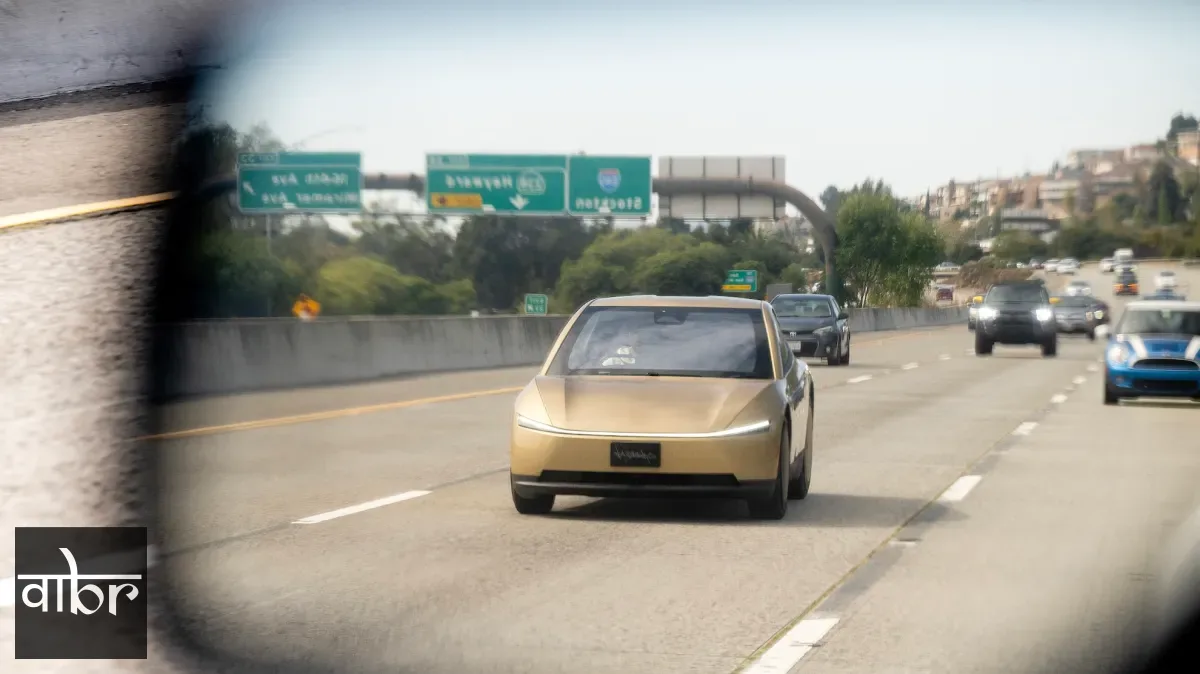
- Discover how blue-green autonomy is shaping the future of autonomous vehicles and artificial intelligence in modern transportation systems.
- Blue-Green Autonomy: How Artificial Intelligence Transforms Modern Mobility...
Blue-Green Autonomy: How Artificial Intelligence Transforms Modern Mobility
As the transportation sector accelerates past traditional engineering paradigms, a profound shift is underway. At the heart of this revolution lies the convergence of autonomous vehicles and advanced artificial intelligence. Industry analysts and tech observers are waking up to a new reality where blue-green autonomy represents the definitive visual and philosophical signature of next-generation transit ecosystems. From bustling metropolitan grids to quiet suburban testing grounds, autonomous vehicles are no longer mere science fiction; they are active economic and logistical pillars driven by sophisticated artificial intelligence.
The evolution of blue-green autonomy signals a departure from haphazard trial-and-error deployments toward mature, scalable paradigms. When we examine the overarching trajectory of autonomous vehicles, we see that artificial intelligence acts as the cognitive core, processing petabytes of sensor data in real-time. This comprehensive deep-dive explores the technological foundations, market implications, and consumer shifts catalyzed by artificial intelligence and autonomous vehicles in modern blue-green autonomy frameworks.
Deep Dive: Full Event Breakdown
Recent developments across major tech mobility summits highlight a transformative era for autonomous vehicles. The overarching thesis centers on how artificial intelligence manages complex urban navigation. In these advanced architectures, artificial intelligence handles everything from pedestrian tracking to dynamic path planning. Analysts tracking blue-green autonomy note that autonomous vehicles are achieving unprecedented safety benchmarks precisely because artificial intelligence models have evolved from brittle rule-based code to robust, probabilistic neural networks.
During recent demonstrations, autonomous vehicles integrated with cutting-edge artificial intelligence showcased split-second decision-making capabilities. These systems rely on continuous feedback loops where artificial intelligence interprets LiDAR, radar, and optical camera inputs. The practical implementation of blue-green autonomy ensures that autonomous vehicles can operate harmoniously within shared human spaces. Observers agree that without artificial intelligence, modern autonomous vehicles would remain trapped in restricted geofenced zones, unable to scale globally.
Industry Impact & Strategic Implications
Market dynamics are shifting rapidly as companies invest heavily in blue-green autonomy. Traditional automakers and pure-play tech startups alike recognize that owning the underlying artificial intelligence stack is essential for long-term survival. Fleet operators deploying autonomous vehicles are experiencing dramatic reductions in operational overhead, largely due to the optimization algorithms powered by artificial intelligence.
Furthermore, the economic ripple effects of blue-green autonomy extend well beyond passenger transport. Logistics providers utilizing autonomous vehicles managed by artificial intelligence are redefining supply chain efficiency. Regulatory bodies are also adapting, creating standardized certification frameworks specifically designed to vet the safety critical boundaries of artificial intelligence within autonomous vehicles. The commercial viability of blue-green autonomy relies heavily on transparent governance and verifiable safety metrics established by international transit authorities.
Technical / Market Analysis
From a technical perspective, realizing true blue-green autonomy requires an immense computational footprint. Modern autonomous vehicles function as data centers on wheels, utilizing distributed computing clusters running specialized artificial intelligence workloads. Every second, artificial intelligence models ingest sensor data, evaluate collision vectors, and adjust vehicle kinematics.
Market analysis indicates that consumer trust in autonomous vehicles correlates directly with the perceived reliability of their underlying artificial intelligence. If artificial intelligence falters, public adoption stalls. Therefore, developers are doubling down on edge computing and redundant safety systems. The financial investment flowing into blue-green autonomy underscores the immense market potential for scalable, level-4 and level-5 autonomous vehicles driven by state-of-the-art artificial intelligence.
What This Means for Consumers and Developers
For everyday consumers, the rise of blue-green autonomy means safer, more efficient, and ultimately more accessible transportation options. Autonomous vehicles promise to drastically reduce traffic fatalities caused by human error, while artificial intelligence ensures personalized, smooth ride experiences.
For software and hardware developers, the mandate is clear: build modular, resilient systems capable of handling unpredictable edge cases. Developers working on autonomous vehicles must master distributed systems and deep learning. As blue-green autonomy becomes the industry standard, the demand for specialized artificial intelligence talent will continue to outstrip supply, reshaping the tech employment landscape.
Key Takeaways (Detailed bullet points)
Core Integration: The synergy between autonomous vehicles and artificial intelligence forms the backbone of modern blue-green autonomy initiatives. Safety Milestones: Advanced artificial intelligence models have enabled autonomous vehicles to navigate complex urban scenarios with unprecedented reliability. Economic Scaling: Fleet operators leveraging blue-green autonomy report significant cost efficiencies through optimized routing and predictive maintenance. Regulatory Evolution: Governments are actively updating frameworks to accommodate the unique operational profiles of autonomous vehicles. Consumer Perception: Widespread adoption of autonomous vehicles depends on transparent, verifiable safety standards governed by artificial intelligence.
The Road Ahead (Forward-looking conclusion)
As we look toward the horizon, the trajectory of blue-green autonomy is unmistakably upward. The continued maturation of artificial intelligence guarantees that autonomous vehicles will play an increasingly dominant role in global transit. By bridging technical hurdles and regulatory frameworks, the pioneers of autonomous vehicles and artificial intelligence are redefining what is possible on our roads. The future of mobility is smart, safe, and undeniably automated.
Strategic Industry Takeaways & Future Outlook
Key factors influencing this sector also include transport tech , future mobility , machine learning , autonomous driving , smart transit , fleet management , each playing an essential role in ongoing development and implementation.
📌 Related Briefings & Stories
AI Financial Payoff: The Brutal Truth Behind Enterprise Tech Spending Obsidian Bethesda merger: Studio creative identity protected by leadership Discord Age Verification Policy Returns With Account Signal Tech
Varta Brief Team
· Newsroom DeskReported, verified, and published by the Varta Brief editorial desk with an uncompromising commitment to primary-source verification and independent journalism.
Related Dispatches
More in Technology →
Amazon Decart Acquisition Signals Bold Move to Challenge Nvidia AI Dominance
Amazon buys Decart for $7.5B to optimize Trainium silicon and reshuffle the Nvidia AI chip race across enterprise cloud computing infrastructure.

Nvidia Board Governance Tested as Jensen Huang Discloses Additional Affairs
A detailed investigation into how revelations around Jensen Huang leadership impact corporate stability, chip markets, and Nvidia's standing with investors.

GTA 6 Sets Historic Record as the Biggest Launch in PlayStation History
Discover how GTA 6 became the biggest launch in PlayStation history, shattering records and reshaping the modern gaming landscape with unprecedented sales.