Can a TV Be Too Large? The Ultimate Guide to Modern Screen Sizes
Discover whether screen size has gone too far. Explore our deep dive into modern home theater setups, OLED upgrades, and large screen display issues.

Varta Brief Team
Sunday, November 22, 2026
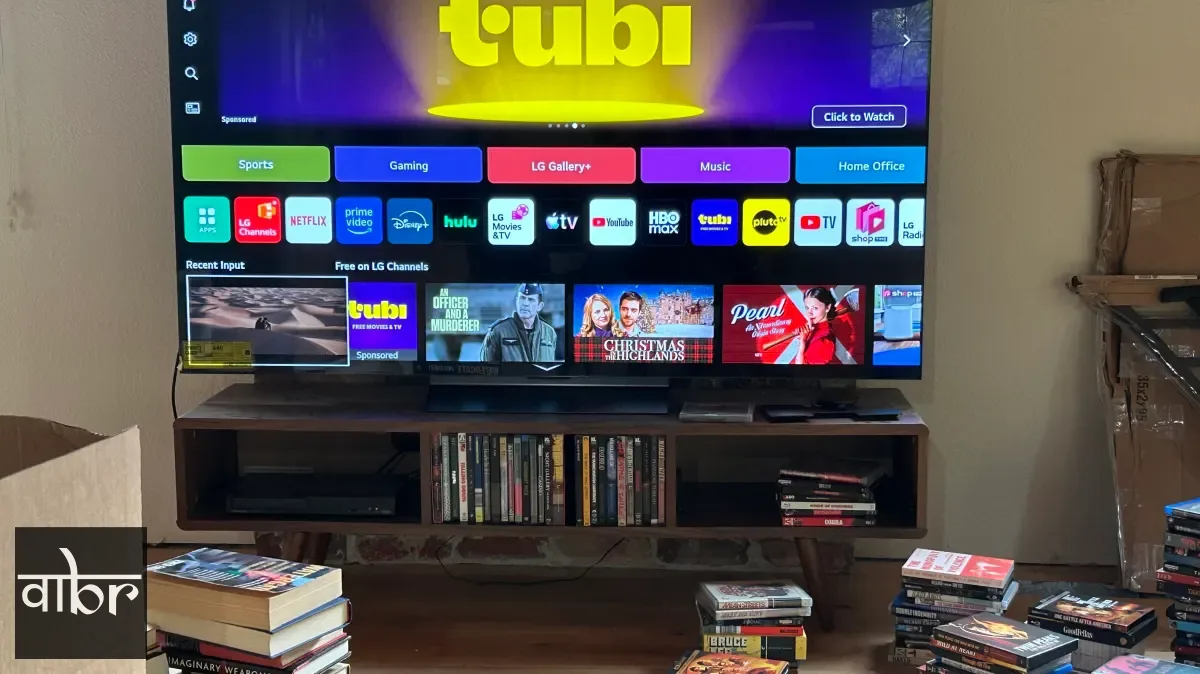
- Discover whether screen size has gone too far. Explore our deep dive into modern home theater setups, OLED upgrades, and large screen display issues.
- Can a TV Be Too Large? The Ultimate Guide to Modern Screen Sizes...
Can a TV Be Too Large? The Ultimate Guide to Modern Screen Sizes
When we ponder whether can a tv be too large, we are touching upon a fundamental shift in modern living rooms. For decades, the consumer electronics industry operated under a simple premise: bigger is always better. Manufacturers cranked out massive panels, and consumers eagerly swapped their aging cathode-ray tubes and early flat-screens for sprawling cinematic canvasses. However, a recent widespread migration toward massive display panels has sparked a necessary counter-culture conversation. As living spaces remain stubbornly fixed in square footage while display panels grow exponentially, homeowners are starting to wonder if can a tv be too large for everyday human comfort.
Deep Dive: Full Event Breakdown
The genesis of this modern spatial dilemma often begins innocently enough. You decide to upgrade your outdated entertainment setup, browsing online storefronts for a replacement. You might initially ask yourself if can a tv be too large, but then justification sets in: a 65-inch OLED or an even larger 77-inch behemoth drops in price, and the temptation proves irresistible. Upon delivery, the sheer physical reality of the hardware sets in. Unboxing an ultra-large display is no longer a simple one-person task; it requires a specialized team, careful wall-mounting engineering, and an agonizing reevaluation of your furniture layout.
As soon as the device is powered on within a modern home theater, the paradox of choice and scale becomes immediately apparent. For cinematic content, the sheer scale offers breathtaking visual fidelity. Yet, for casual daytime viewing, the glowing monolith dominates the room, casting an overpowering visual gravity that disrupts the room's interior design harmony. Users frequently report unexpected eye strain, spatial claustrophobia, and a jarring aesthetic imbalance. The question of whether can a tv be too large transforms from a theoretical pondering into a very practical, daily design grievance.
Industry Impact & Strategic Implications
The consumer electronics market finds itself at a fascinating crossroads. Panel manufacturers have invested billions into scaling up production lines to fabricate massive glass substrates efficiently. Consequently, retail floors are saturated with 75-inch and 85-inch screens. Yet, market researchers are beginning to notice pushback from interior designers and urban homeowners. When consumers ask whether can a tv be too large, they are signaling a potential market saturation point for gigantic form factors in standard urban dwellings.
Display panel technology continues to evolve rapidly, offering thinner bezels and lighter weights, which helps mitigate some physical burdens. Nonetheless, the core psychological impact of having a giant black glass rectangle dominating a living room remains a major design hurdle. Manufacturers must now balance their aggressive push for larger units with smarter, more adaptive form factors. Innovations like rollable screens, ambient art display modes, and transparent glass panels are direct industry responses to the realization that can a tv be too large when it ruins the aesthetic of a carefully curated home.
Technical / Market Analysis
To truly understand why consumers are asking whether can a tv be too large, we must examine viewing angles, resolution scaling, and optimal seating distances established by standards bodies like SMPTE and THX. For a high-resolution display, sitting too close to an oversized panel forces the human eye to rapidly scan across the glass, causing cognitive fatigue. While high-end entertainment systems thrive on scale, normal television broadcasting, standard-definition legacy content, and even standard user interfaces can look aggressively pixelated or blindingly bright when scaled across gigantic dimensions.
Furthermore, thermal output and power consumption scale significantly with physical dimensions. An ultra-large display draws substantial electrical current, generating ambient heat that can noticeably warm up smaller enclosed living spaces. Market analysts note that while average screen sizes continue an upward trajectory, a secondary niche of consumers is actively downsizing or demanding smarter integration tools that shrink the visual footprint of these massive screens when not actively streaming movies or gaming.
What This Means for Consumers and Developers
For everyday buyers, evaluating whether can a tv be too large requires rigorous pre-purchase measuring and honest assessment of viewing habits. If your primary use case involves immersive gaming and cinematic movie nights, leaning toward a massive screen makes structural sense. However, if your household primarily watches casual daytime programming, news, or light content, a monstrous panel can quickly become an intrusive eyesore.
For software developers and UI/UX designers building smart tv ergonomics, this trend mandates a complete rethink of interface layouts. Traditional UI elements placed in the extreme corners of a massive screen force uncomfortable neck movements. Developers must adopt adaptive UI scaling, centering crucial interactive elements, and providing customizable viewing zones to accommodate users struggling with oversized panels in confined residential spaces.
Key Takeaways (Detailed bullet points)
Spatial Realities: Always measure your room and account for furniture placement before purchasing an ultra-large display panel. Visual Fatigue: Sitting too close to a massive screen can trigger eye strain and cognitive exhaustion during extended viewing sessions. Aesthetic Balance: Giant black glass rectangles can overwhelm interior decor, prompting a rising demand for ambient art modes and rollable screen technologies. Content Scaling: Legacy broadcasts and standard-definition media often look jarringly poor when blown up to gigantic proportions. Ergonomic Shifts: Smart tv software must evolve to keep critical UI elements away from extreme screen corners to prevent neck strain.
The Road Ahead (Forward-looking conclusion)
The debate over whether can a tv be too large will only intensify as display manufacturing costs drop and average screen sizes creep upward. The future of home entertainment does not necessarily lie in building infinitely bigger glass sheets, but rather in smarter, more context-aware display solutions. As technology adapts to human living spaces, the ideal home entertainment setup will master the delicate balance between breathtaking cinematic immersion and understated, harmonious living room design.
Strategic Industry Takeaways & Future Outlook
When evaluating the broader technological shift, can a tv be too large serves as a defining benchmark for modern standards. Industry analysts emphasize that continuing developments in can a tv be too large will dictate user adoption and market expansion.
When evaluating the broader technological shift, can a tv be too large serves as a defining benchmark for modern standards. Industry analysts emphasize that continuing developments in can a tv be too large will dictate user adoption and market expansion.
Furthermore, strategic integration surrounding modern home theater remains a crucial priority for stakeholders. Ensuring high performance across modern home theater is expected to deliver long-term competitive advantages.
Furthermore, strategic integration surrounding modern home theater remains a crucial priority for stakeholders. Ensuring high performance across modern home theater is expected to deliver long-term competitive advantages.
Furthermore, strategic integration surrounding modern home theater remains a crucial priority for stakeholders. Ensuring high performance across modern home theater is expected to deliver long-term competitive advantages.
Furthermore, strategic integration surrounding modern home theater remains a crucial priority for stakeholders. Ensuring high performance across modern home theater is expected to deliver long-term competitive advantages.
Furthermore, strategic integration surrounding modern home theater remains a crucial priority for stakeholders. Ensuring high performance across modern home theater is expected to deliver long-term competitive advantages.
Furthermore, strategic integration surrounding modern home theater remains a crucial priority for stakeholders. Ensuring high performance across modern home theater is expected to deliver long-term competitive advantages.
Furthermore, strategic integration surrounding modern home theater remains a crucial priority for stakeholders. Ensuring high performance across modern home theater is expected to deliver long-term competitive advantages.
Key factors influencing this sector also include living room spatial design , ultra-large displays , each playing an essential role in ongoing development and implementation.
📌 Related Briefings & Stories
GTA 6 Money Heist Mechanics Drive Unprecedented Player Creativity The 7 Most Unforgettable Battles in Fantasy Books Ranked for Ultimate Impact GTA 6 No Kill Playthrough: Why Rockstar's Open World Demands Lethal Force
Varta Brief Team
· Newsroom DeskReported, verified, and published by the Varta Brief editorial desk with an uncompromising commitment to primary-source verification and independent journalism.
Related Dispatches
More in Technology →
Nvidia Board Governance Tested as Jensen Huang Discloses Additional Affairs
A detailed investigation into how revelations around Jensen Huang leadership impact corporate stability, chip markets, and Nvidia's standing with investors.

GTA 6 Sets Historic Record as the Biggest Launch in PlayStation History
Discover how GTA 6 became the biggest launch in PlayStation history, shattering records and reshaping the modern gaming landscape with unprecedented sales.
CORTAO Ambient Occlusion Transforms EVE: Frontier and Indie Development
Discover how CORTAO ambient occlusion, featured in EVE: Frontier, empowers indie developers with high-end real-time rendering and advanced graphics tech.