Autonomous Submersible Discovers Vast Chemosynthetic Biosphere in the Mariana Trench
Marine researchers deploying untethered autonomous gliders have documented an unprecedented geothermal biome flourishing at eleven thousand meters depth.

Varta Brief Team
Friday, October 30, 2026
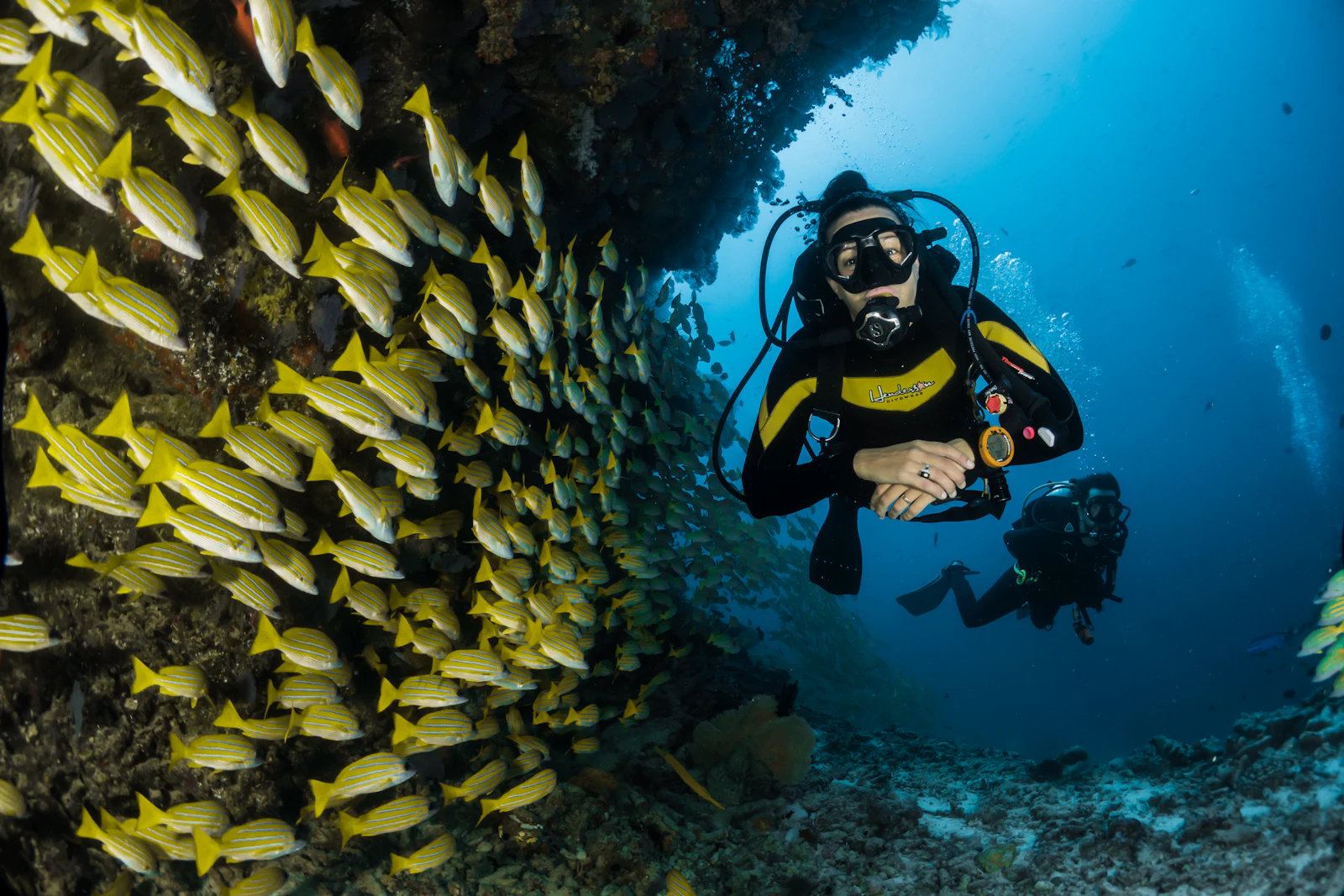
- Marine researchers deploying untethered autonomous gliders have documented an unprecedented geothermal biome flourishing at eleven thousand meters depth.
- HONOLULU — Operating at depths exceeding 10,900 meters, the autonomous oceanic probe Nereus-IV has returned physical telemetry confirming a massive hydrothermal field spanning over...
HONOLULU — Operating at depths exceeding 10,900 meters, the autonomous oceanic probe Nereus-IV has returned physical telemetry confirming a massive hydrothermal field spanning over 200 square kilometers within the southern Mariana Trench.
The expedition, led jointly by the Scripps Institution of Oceanography and the Woods Hole Oceanographic Institution, revealed mineral chimneys discharging superheated water rich in iron sulfides and molecular hydrogen.
Unlike surface-dependent biospheres, the organisms documented here thrive entirely upon chemosynthesis. Genetic sequencing conducted in onboard laboratories indicates hundreds of previously unknown microbial strains possessing extraordinary enzymatic resilience.
“We are looking at molecular adaptations that challenge foundational tenets of cellular biochemistry,” stated lead biologist Dr. Cheryl Nair. “The enzymes stabilizing these cellular membranes may unlock vital breakthroughs in room-temperature pharmaceutical preservation.”
Varta Brief Team
· Newsroom DeskReported, verified, and published by the Varta Brief editorial desk with an uncompromising commitment to primary-source verification and independent journalism.
Related Dispatches
More in Science →
Gravimetric Satellite Swarm Pinpoints Sub-Glacial Volcanic Heat Beneath Thwaites Glacier
The European Space Agency’s twin gravimetry satellites have mapped subterranean magma conduits influencing thermal dynamics along West Antarctica.
James Webb Space Telescope Maps Habitable Zone Ocean World 48 Light-Years Distant
Astrophysicists analyzing spectroscopic absorption lines conclude that super-Earth LHS 1140 b harbors a global liquid ocean under temperate atmospheric pressures.