Exoplanet Atmospheres Reveal Complex Methane Cycles
New data from space telescope missions uncovers intricate methane and carbon dioxide cycles within distant exoplanet atmospheres.

Varta Brief Team
Wednesday, September 9, 2026
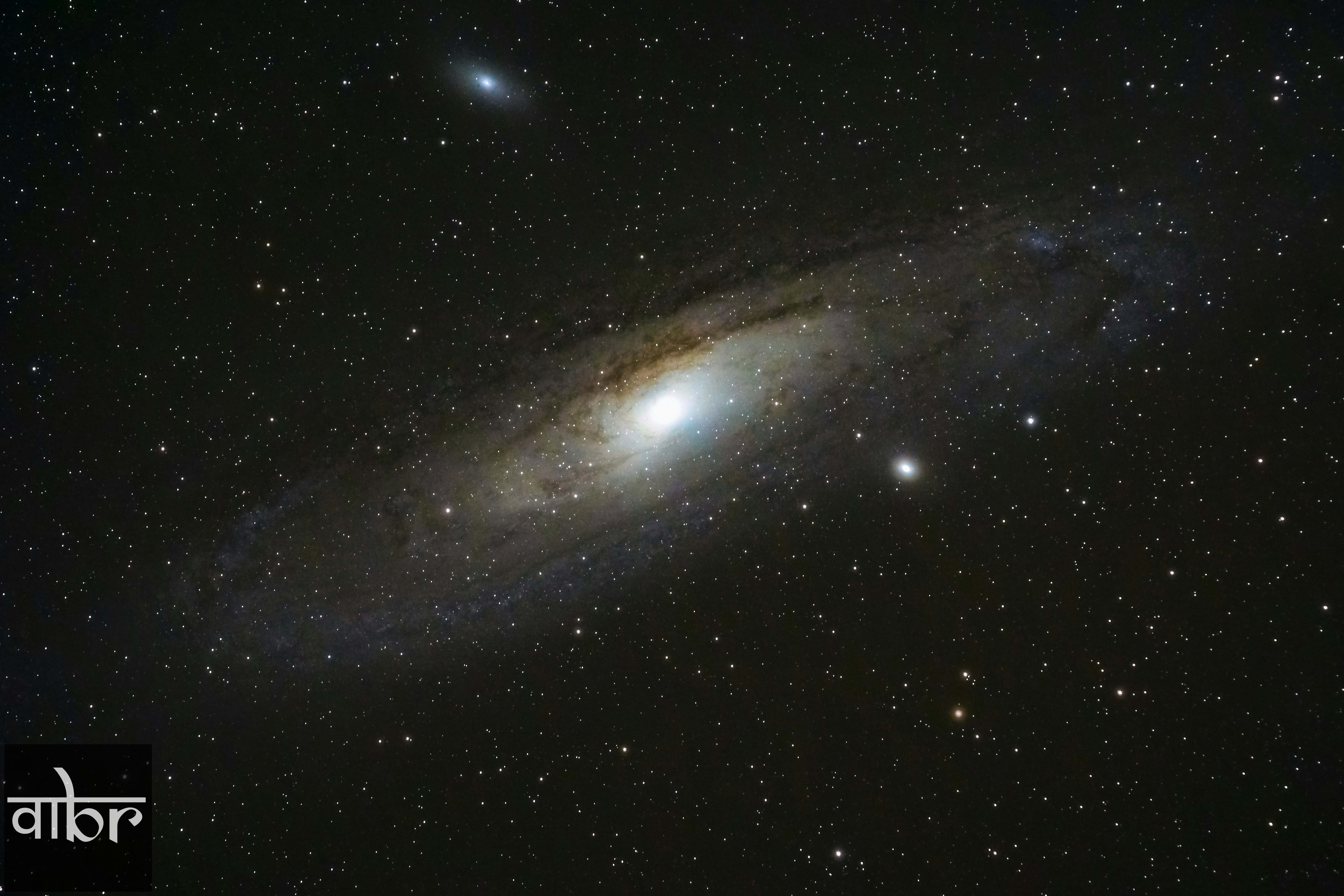
- New data from space telescope missions uncovers intricate methane and carbon dioxide cycles within distant exoplanet atmospheres.
- Decoding Alien Carbon Chemistry...
Decoding Alien Carbon Chemistry
Deep-space observation missions are entering a thrilling new phase as space telescopes focus on the intricate carbon chemistry of exoplanetary atmospheres. Recent spectroscopic analyses have highlighted unexpected ratios of methane ($CH_4$) to carbon dioxide ($CO_2$), challenging standard models of planetary photochemistry and atmospheric stability.
Using advanced infrared instrumentation, space agencies have been able to map the photochemical reactions occurring in the upper layers of sub-Neptunes and super-Earths. These findings are vital for distinguishing between abiotic geological processes and potential biological signatures in future habitable-zone discoveries.
The Photochemical Puzzle
Methane is notoriously fragile in the presence of intense stellar ultraviolet radiation. Without a continuous replenishment mechanism, atmospheric methane should be rapidly destroyed by photolysis. The detection of robust methane signatures on worlds orbiting active stars demands a reevaluation of internal planetary heating and outgassing rates.
Stellar Flux Interaction: How UV radiation drives atmospheric breakdown. Internal Convection: The role of deep mantle plumes in cycling carbon compounds. Haze Formation: Complex hydrocarbons condensing into photochemical smogs.
"The persistence of methane on these worlds points to active internal or surface dynamics that we are only beginning to comprehend through deep-space telemetry." — Marcus Thorne, Senior Planetary Scientist
Carbon-to-Oxygen Ratios in Exoplanets
Metric Parameter Observed Range Expected Theoretical Range Significance $C/O$ Ratio 0.6 to 1.2 0.4 to 0.8 Indicates altered planetary migration pathways Methane Abundance 10 to 100 ppm < 1 ppm Requires active replenishment sources Aerosol Opacity Moderate to High Low Masks deep atmospheric temperature profiles
Future Horizons in Astrobiology
While methane alone is not a definitive biosignature—given its prevalence in volcanic and primordial geological processes—its interaction with other atmospheric gases like carbon dioxide and molecular oxygen remains a cornerstone of astrobiological research.
As upcoming space telescopes come online later this decade, researchers hope to achieve the signal-to-noise ratios required to definitively map seasonal fluctuations in these complex atmospheric cycles, bringing humanity closer to answering the ultimate question of cosmic solitude.
Varta Brief Team
· Newsroom DeskReported, verified, and published by the Varta Brief editorial desk with an uncompromising commitment to primary-source verification and independent journalism.
Related Dispatches
More in Technology →
Amazon Decart Acquisition Signals Bold Move to Challenge Nvidia AI Dominance
Amazon buys Decart for $7.5B to optimize Trainium silicon and reshuffle the Nvidia AI chip race across enterprise cloud computing infrastructure.

Nvidia Board Governance Tested as Jensen Huang Discloses Additional Affairs
A detailed investigation into how revelations around Jensen Huang leadership impact corporate stability, chip markets, and Nvidia's standing with investors.

GTA 6 Sets Historic Record as the Biggest Launch in PlayStation History
Discover how GTA 6 became the biggest launch in PlayStation history, shattering records and reshaping the modern gaming landscape with unprecedented sales.