GM Reaches $220M Settlement Over Driver Data Privacy Violations
General Motors settles for $220M over selling driver data. Discover how stricter driver data privacy regulations impact automotive technology.

Varta Brief Team
Thursday, October 29, 2026
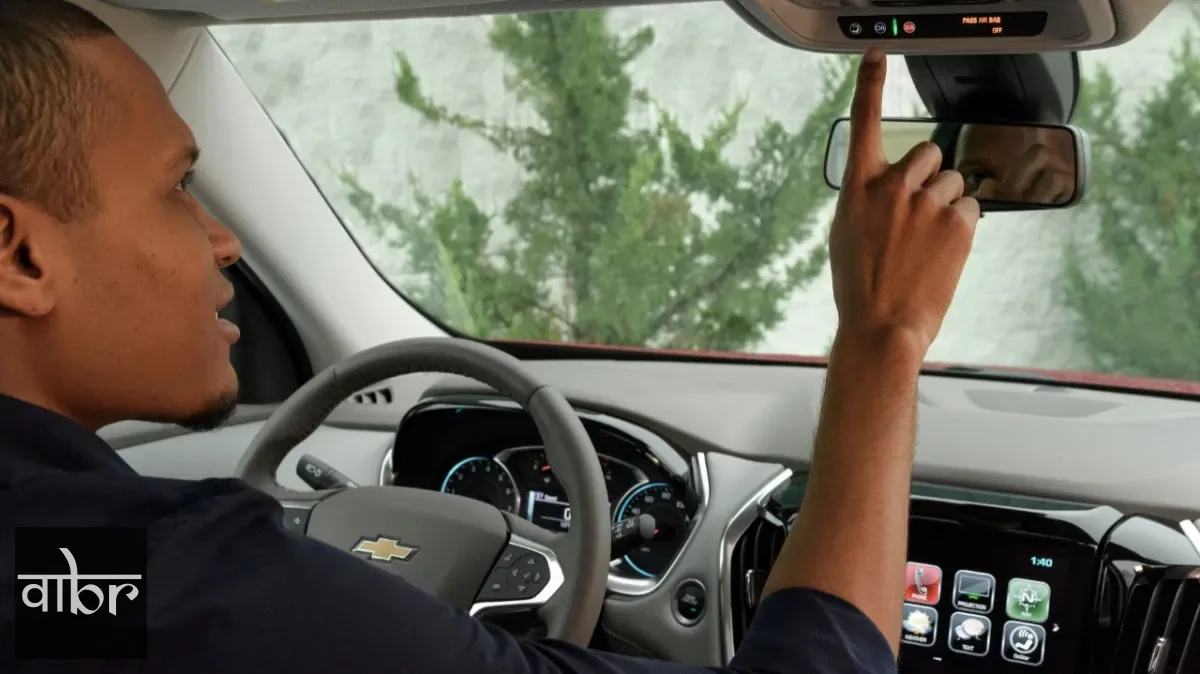
- General Motors settles for $220M over selling driver data. Discover how stricter driver data privacy regulations impact automotive technology.
- GM Reaches $220M Settlement Over Driver Data Privacy Violations...
GM Reaches $220M Settlement Over Driver Data Privacy Violations
In an era where modern automobiles function as smartphones on wheels, the continuous erosion of driver data privacy has finally met a formidable regulatory and legal reckoning. General Motors, one of the world's largest legacy automakers, has officially agreed to a massive $220 million settlement to resolve widespread allegations regarding the illicit harvesting and commercialization of driver information. This landmark financial penalty signals a profound turning point for the automotive industry, forcing manufacturers to fundamentally reassess how they handle connected car data moving forward. For years, motorists remained largely unaware that their daily commutes, acceleration habits, braking patterns, and precise GPS coordinates were being packaged and sold to third-party data brokers and insurance conglomerates.
The fallout from this General Motors settlement extends far beyond corporate boardrooms, reshaping the technological landscape of the entire transportation sector. As consumers increasingly demand stringent protections for driver data privacy, automakers can no longer treat vehicle cabins as unregulated data-harvesting laboratories. This comprehensive investigative report explores the technical mechanisms behind telematics data collection, the aggressive push for location data sharing, and what this multi-million dollar agreement means for the future of connected car data integrity.
Deep Dive: Full Event Breakdown
The roots of this legal confrontation trace back to rigorous journalistic investigations and subsequent class-action lawsuits that exposed how General Motors integrated aggressive tracking systems into its infotainment and connected vehicle suites. Millions of vehicle owners discovered that features like OnStar and driving-behavior feedback programs were quietly monitoring their driving habits. This granular driver tracking fed directly into proprietary scoring systems used by insurers to hike premiums without explicit consumer consent.
The core of the litigation focused on the unauthorized monetization of connected car data. While drivers assumed their vehicles were simply transmitting safety diagnostics or diagnostic trouble codes, background algorithms captured exhaustive telemetry. This relentless driver data privacy breach caught the attention of regulators who scrutinized how General Motors handled location data sharing. Under the terms of the new $220 million agreement, GM is legally mandated to alter its operational architecture. The company must now obtain explicit, verifiable express consent before initiating any form of telematics data collection or transferring driver metrics to external entities.
Furthermore, the settlement establishes robust compliance protocols. Regulatory bodies will oversee how connected car data is stored, anonymized, and purged. This ensures that driver data privacy is baked into the software lifecycle rather than treated as an afterthought. Industry watchers note that this General Motors settlement sets a precedent that will likely engulf other major automotive players currently engaging in aggressive connected car data harvesting.
Industry Impact & Strategic Implications
The automotive industry is experiencing a seismic shift in business models. For over a decade, traditional automakers have looked toward recurring software subscriptions, connected car data monetization, and partnerships with data brokers as lucrative revenue streams to offset softening vehicle sales. However, the heavy financial blow of the General Motors settlement forces a critical strategic pivot away from invasive connected car data trading and toward transparent consumer value propositions.
Insurance scoring has become deeply intertwined with connected vehicle telemetry. Insurers rely on continuous streams of driver data privacy violations—packaged legally as behavioral insights—to segment risk pools. Without unfettered access to continuous driver tracking, insurance companies must rethink how they calculate risk. Meanwhile, automakers are scrambling to rewrite their terms of service, introducing granular privacy dashboards that empower users to toggle off telematics data collection entirely.
Yet, the commercial implications of restricted connected car data are vast. Connected car data powers predictive maintenance, smart city infrastructure planning, and autonomous driving neural network training. By enforcing stringent rules on location data sharing, regulators are walking a tightrope between fostering technological innovation and protecting fundamental civil liberties. Automakers that fail to prioritize driver data privacy risk not only astronomical legal penalties but also irreparable reputational damage in a marketplace increasingly sensitive to corporate surveillance.
Technical / Market Analysis
Technically speaking, modern vehicles generate gigabytes of data per hour. Sensors track wheel speed, steering angle, seatbelt usage, infotainment interactions, and continuous geographical positioning. This raw connected vehicle telemetry is typically funneled through embedded cellular modems directly to cloud servers operated by the manufacturer or third-party cloud providers.
The market for automotive surveillance and data broker monetization thrived because this data pipeline operated largely in the shadows. Telematics data collection algorithms were embedded deep within proprietary operating systems. When drivers clicked 'accept' on sprawling, impenetrable terms of service agreements, they unknowingly signed away their rights regarding location data sharing.
From a market analysis perspective, the $220 million penalty serves as a severe regulatory tax on predatory data practices. However, wealthy tech-forward automakers may view this as a mere cost of doing business unless enforcement mechanisms are relentlessly strict. Moving forward, maintaining strict driver data privacy requires end-to-end encryption, local edge-computing to anonymize telemetry before cloud transmission, and transparent opt-in protocols for connected car data utilization.
What This Means for Consumers and Developers
For everyday motorists, the General Motors settlement is a resounding victory for digital rights. Consumers can expect clearer disclosures, easier opt-out mechanisms, and a halt to surreptitious insurance scoring fueled by hidden driver tracking. Drivers will regain control over their personal information, ensuring that location data sharing remains an explicit choice rather than a mandatory condition of vehicle ownership.
For software engineers and automotive developers, the paradigm has shifted toward privacy-by-design. Developers can no longer rely on indiscriminate data hoarding. Instead, they must engineer systems that minimize telematics data collection, anonymize connected vehicle telemetry at the device level, and respect user preferences regarding connected car data. Building robust driver data privacy controls is now a core technical requirement, demanding innovative cryptographic solutions and transparent user-interface design.
Key Takeaways
Landmark Financial Penalty: General Motors agreed to a massive $220 million settlement over unlawful driver data practices. Strict Consent Mandates: GM must now secure explicit, verifiable express consent prior to any telematics data collection. Protection of Driver Data Privacy: The ruling sets a high legal bar ensuring driver data privacy remains paramount across the automotive sector. Crackdown on Insurance Scoring: Practices that weaponized connected car data for unauthorized insurance rate hikes face severe regulatory clampdowns. Technical Overhaul Required: Automakers must redesign their connected vehicle telemetry pipelines to enforce local anonymization and transparent location data sharing.
The Road Ahead
The conclusion of this high-stakes legal battle does not spell the end of the debate surrounding connected car data; rather, it marks the beginning of a regulated era for automotive technology. As electric and autonomous vehicles dominate the market, the volume of generated telemetry will only accelerate. Protecting driver data privacy in an interconnected world requires constant vigilance from lawmakers, investigative journalists, and consumers alike. General Motors may have paid the price for past overreaches, but the entire industry is now on notice. The future of connected car data must balance advanced engineering with unwavering respect for personal privacy.
Strategic Industry Takeaways & Future Outlook
When evaluating the broader technological shift, driver data privacy serves as a defining benchmark for modern standards. Industry analysts emphasize that continuing developments in driver data privacy will dictate user adoption and market expansion.
When evaluating the broader technological shift, driver data privacy serves as a defining benchmark for modern standards. Industry analysts emphasize that continuing developments in driver data privacy will dictate user adoption and market expansion.
When evaluating the broader technological shift, driver data privacy serves as a defining benchmark for modern standards. Industry analysts emphasize that continuing developments in driver data privacy will dictate user adoption and market expansion.
Furthermore, strategic integration surrounding connected car data remains a crucial priority for stakeholders. Ensuring high performance across connected car data is expected to deliver long-term competitive advantages.
Furthermore, strategic integration surrounding connected car data remains a crucial priority for stakeholders. Ensuring high performance across connected car data is expected to deliver long-term competitive advantages.
📌 Related Briefings & Stories
Binance Pauses Withdrawals Amid Massive Crypto Hack Speculation Vladimir Putin Praises Elon Musk: Inside the Rassvet Project Alliance Amazon Cloud Revenue Surges While Amazon Free Cash Flow Slumps
Varta Brief Team
· Newsroom DeskReported, verified, and published by the Varta Brief editorial desk with an uncompromising commitment to primary-source verification and independent journalism.
Related Dispatches
More in Technology →
Amazon Decart Acquisition Signals Bold Move to Challenge Nvidia AI Dominance
Amazon buys Decart for $7.5B to optimize Trainium silicon and reshuffle the Nvidia AI chip race across enterprise cloud computing infrastructure.

Nvidia Board Governance Tested as Jensen Huang Discloses Additional Affairs
A detailed investigation into how revelations around Jensen Huang leadership impact corporate stability, chip markets, and Nvidia's standing with investors.

GTA 6 Sets Historic Record as the Biggest Launch in PlayStation History
Discover how GTA 6 became the biggest launch in PlayStation history, shattering records and reshaping the modern gaming landscape with unprecedented sales.