Google Gemini Data Retention Policy Expands Chats to 2 Months
Google Gemini data retention policy shifts as Google to keep Gemini chats for 2 months even with history off, raising privacy concerns.

Varta Brief Team
Wednesday, November 18, 2026
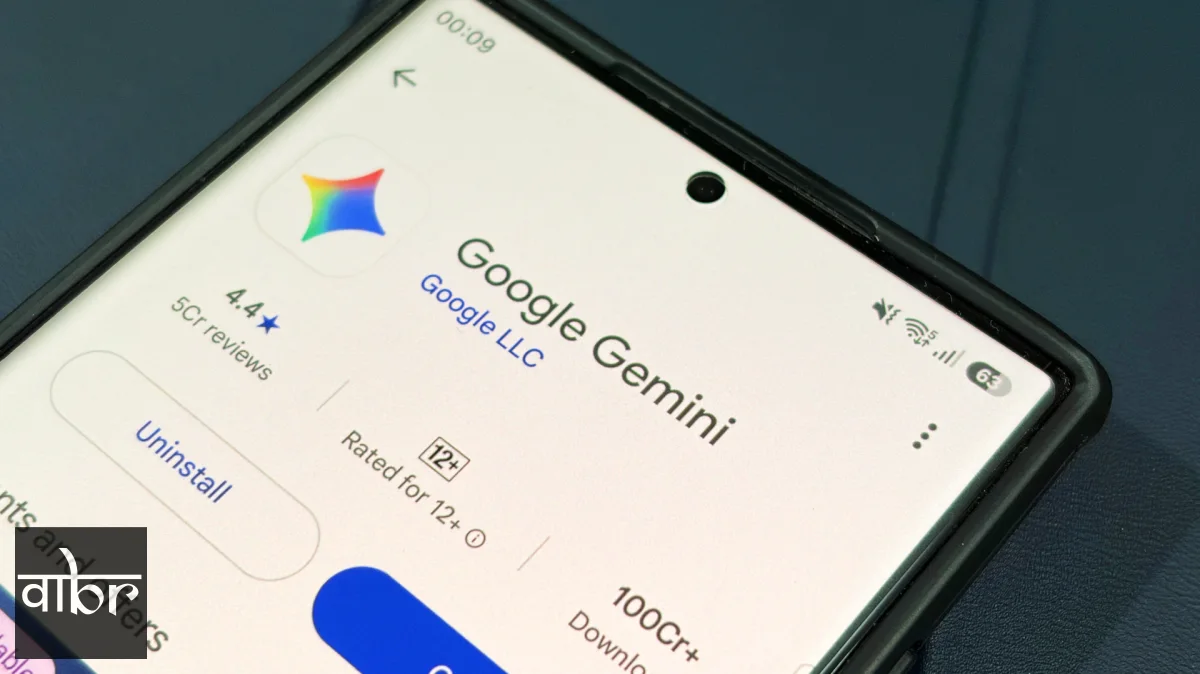
- Google Gemini data retention policy shifts as Google to keep Gemini chats for 2 months even with history off, raising privacy concerns.
- The landscape of digital privacy and artificial intelligence privacy is shifting dramatically under the weight of enterprise scaling requirements. In a move that has immediately ig...
The landscape of digital privacy and artificial intelligence privacy is shifting dramatically under the weight of enterprise scaling requirements. In a move that has immediately ignited intense debate across the global technology sector, Google has announced a significant alteration to its Google Gemini data retention policy. According to recent reports highlighted in tech crunch news, Google will now keep Gemini chats for two months—a massive leap from the previous 72-hour window—even when users explicitly turn their Gemini chat history off. This global rollout over the coming weeks marks a critical turning point in how big tech companies balance user anonymity with model training needs.
For years, everyday consumers and enterprise users alike have relied on feature toggles like disabling Gemini chat history to ensure their interactions with advanced large language models remain fleeting, private, and disconnected from persistent storage profiles. However, the new Google Gemini data retention framework shatters this expectation. While the company maintains that these retained conversations are disassociated from individual Google Accounts and are stored purely for safety, debugging, and continuous improvement, privacy advocates are raising red flags. As artificial intelligence privacy concerns reach an all-time high, understanding the mechanics behind Gemini chat history management is paramount for anyone navigating modern digital ecosystems.
Deep Dive: Full Event Breakdown
The announcement surrounding Google Gemini data retention changes caught many privacy watchdogs and developers off guard. Previously, if a user opted to disable their Gemini chat history, any prompt or response generated within that session was scrubbed from the active user profile within 72 hours. This brief window provided a sense of security, operating much like incognito browsing modes familiar in traditional web browsers. Users assumed that turning off Gemini chat history meant their data vanished almost immediately.
Under the updated global rollout, however, Google is standardizing a 60-day holding period for chats initiated while Gemini chat history is disabled. Even though these specific chat logs will not be visible in the user's active history feed and will not be utilized to personalize future interactions, they will remain on Google's internal servers for up to two months. The company states that this adjustment is necessary to maintain machine learning safety protocols, filter out toxic outputs, prevent abuse, and refine the underlying architecture of its large language models. Yet, the stark contrast between a 72-hour window and a 60-day storage period highlights a growing tension within the tech industry regarding user confidentiality.
Industry Impact & Strategic Implications
The implications of modifying Google Gemini data retention protocols extend far beyond Google's ecosystem, deeply influencing broader tech policy discussions worldwide. As competitors race to dominate the generative artificial intelligence market, the appetite for raw conversational data is insatiable. Training robust large language models requires massive datasets, including edge cases, unusual prompts, and complex user queries that help fine-tune conversational nuance and reasoning capabilities.
By extending Gemini chat history storage under disabled history states, Google is aligning its infrastructure more closely with industry rivals who similarly cache unlinked interactions for quality assurance and security screening. This policy shift forces regulatory bodies and digital privacy laws enforcement agencies to reevaluate compliance standards. When consumer data tracking occurs even after a user attempts to opt out of history logging, questions arise regarding transparency, informed consent, and user confidentiality. Industry analysts predict that this move will prompt increased scrutiny from European Union data protection authorities, potentially leading to fresh legal challenges regarding how tech giants handle ephemeral user inputs.
Technical / Market Analysis
From a technical perspective, maintaining conversational logs even with history turned off serves multiple critical functions in modern software engineering. Large language models are notoriously complex, prone to hallucinations, adversarial prompt injections, and unintended behavioral drift. To ensure machine learning safety, engineering teams must continuously analyze failure modes. Reviewing anonymized, unlinked chat threads allows developers to catch emerging vulnerabilities before they manifest widely.
However, market analysts point out a compelling business paradox. While consumers increasingly demand absolute control over their digital footprint, artificial intelligence developers require expanding pools of training data to stay competitive. The adjustment in Google Gemini data retention directly reflects this economic tug-of-war. If Google restricted its training intake strictly to fully logged sessions, it could miss valuable edge cases encountered by privacy-conscious users who prefer keeping Gemini chat history turned off. Balancing this technical necessity with public trust remains one of the greatest challenges facing tech policy leaders today.
What This Means for Consumers and Developers
For everyday consumers, the expansion of Google Gemini data retention means that absolute digital erasure is no longer instantaneous. Anyone utilizing the platform must operate under the assumption that their text inputs—even those deemed sensitive or confidential—could reside on Google infrastructure for up to sixty days. Experts advise users to exercise extreme caution, avoiding the input of proprietary corporate secrets, personally identifiable information, or highly sensitive financial data into any AI interface, regardless of their history settings.
For developers and enterprise clients building applications atop Google's APIs, these changes underscore the importance of understanding underlying data governance frameworks. Relying solely on UI toggles like disabling Gemini chat history is no longer sufficient for organizations bound by strict regulatory compliance frameworks like HIPAA, GDPR, or CCPA. Developers must implement rigorous client-side data scrubbing and adopt enterprise-tier AI agreements that guarantee zero-retention policies contractually.
Key Takeaways (Detailed bullet points)
Policy Shift: Google has updated its Google Gemini data retention policy, extending chat storage from 72 hours to two months. History Off Exception: This extended 60-day holding period applies even when users have explicitly turned their Gemini chat history toggle off. Account Disassociation: Google emphasizes that these retained chats are unlinked from individual user accounts and are not used for personalization. Safety Justification: The primary stated reasons for the change involve enhancing machine learning safety, debugging, and preventing platform abuse. Global Rollout: The update is rolling out globally over the coming weeks, affecting users across multiple regions and languages. Regulatory Scrutiny: The policy change is expected to attract renewed attention from global privacy watchdogs and digital privacy laws enforcers. Consumer Advice: Users should remain vigilant, avoiding the input of sensitive personal or corporate data into AI models despite privacy toggles.
The Road Ahead (Forward-looking conclusion)
The decision by Google to extend Google Gemini data retention to two months even with history disabled represents a watershed moment for consumer expectations in the age of generative intelligence. As artificial intelligence models become deeply integrated into daily workflows, the boundary between public convenience and private confidentiality continues to blur. While the engineering justifications rooted in machine learning safety are understandable from a developer standpoint, the erosion of instantaneous data deletion poses ongoing challenges for user trust.
Moving forward, transparency and granular control will define market leaders. Consumers and enterprises alike will increasingly demand verifiable, cryptographic assurances regarding how their data is handled. Whether Google and other tech giants can successfully balance the insatiable hunger of large language models with uncompromising standards of user confidentiality will determine the future trajectory of digital privacy laws and artificial intelligence adoption worldwide.
Strategic Industry Takeaways & Future Outlook
When evaluating the broader technological shift, Google Gemini data retention serves as a defining benchmark for modern standards. Industry analysts emphasize that continuing developments in Google Gemini data retention will dictate user adoption and market expansion.
When evaluating the broader technological shift, Google Gemini data retention serves as a defining benchmark for modern standards. Industry analysts emphasize that continuing developments in Google Gemini data retention will dictate user adoption and market expansion.
When evaluating the broader technological shift, Google Gemini data retention serves as a defining benchmark for modern standards. Industry analysts emphasize that continuing developments in Google Gemini data retention will dictate user adoption and market expansion.
When evaluating the broader technological shift, Google Gemini data retention serves as a defining benchmark for modern standards. Industry analysts emphasize that continuing developments in Google Gemini data retention will dictate user adoption and market expansion.
When evaluating the broader technological shift, Google Gemini data retention serves as a defining benchmark for modern standards. Industry analysts emphasize that continuing developments in Google Gemini data retention will dictate user adoption and market expansion.
Furthermore, strategic integration surrounding Gemini chat history remains a crucial priority for stakeholders. Ensuring high performance across Gemini chat history is expected to deliver long-term competitive advantages.
Furthermore, strategic integration surrounding Gemini chat history remains a crucial priority for stakeholders. Ensuring high performance across Gemini chat history is expected to deliver long-term competitive advantages.
Furthermore, strategic integration surrounding Gemini chat history remains a crucial priority for stakeholders. Ensuring high performance across Gemini chat history is expected to deliver long-term competitive advantages.
Furthermore, strategic integration surrounding Gemini chat history remains a crucial priority for stakeholders. Ensuring high performance across Gemini chat history is expected to deliver long-term competitive advantages.
📌 Related Briefings & Stories
Apple Services Outage Disrupts iCloud, App Store, and Apple Music Globally Model ML Raises $250M to Automate Investment Banking Grunt Work and Deal Models Waymo freeway suspension shakes autonomous vehicle industry nationwide
Varta Brief Team
· Newsroom DeskReported, verified, and published by the Varta Brief editorial desk with an uncompromising commitment to primary-source verification and independent journalism.
Related Dispatches
More in Technology →
Amazon Decart Acquisition Signals Bold Move to Challenge Nvidia AI Dominance
Amazon buys Decart for $7.5B to optimize Trainium silicon and reshuffle the Nvidia AI chip race across enterprise cloud computing infrastructure.

Nvidia Board Governance Tested as Jensen Huang Discloses Additional Affairs
A detailed investigation into how revelations around Jensen Huang leadership impact corporate stability, chip markets, and Nvidia's standing with investors.

GTA 6 Sets Historic Record as the Biggest Launch in PlayStation History
Discover how GTA 6 became the biggest launch in PlayStation history, shattering records and reshaping the modern gaming landscape with unprecedented sales.