inDrive Robotaxi Push: Autonomous Vehicles in Central Asia by 2027
Discover how inDrive plans to launch autonomous vehicle tests in Central Asia by 2027 in partnership with Pony.ai and Nvidia.

Varta Brief Team
Friday, October 23, 2026
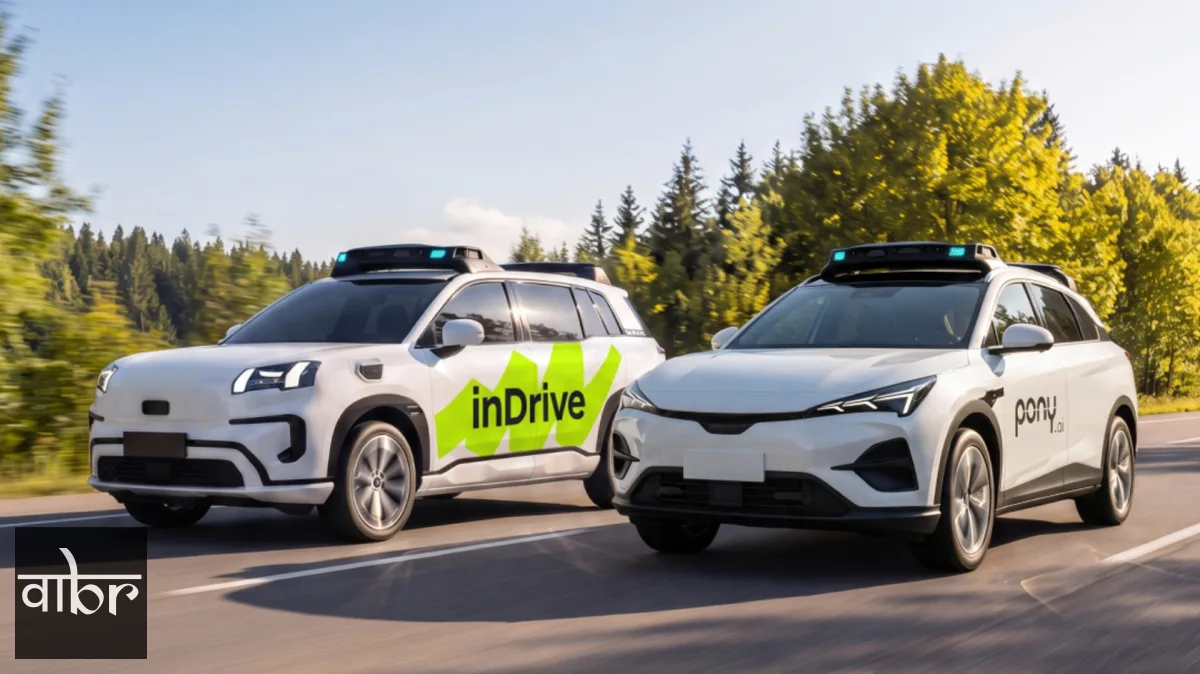
- Discover how inDrive plans to launch autonomous vehicle tests in Central Asia by 2027 in partnership with Pony.ai and Nvidia.
- The global race for driverless mobility is expanding far beyond Silicon Valley and crowded Chinese megacities. In a bold strategic maneuver that could redefine urban transit across...
The global race for driverless mobility is expanding far beyond Silicon Valley and crowded Chinese megacities. In a bold strategic maneuver that could redefine urban transit across emerging markets, global ride-hailing titan inDrive is preparing to introduce an inDrive robotaxi pilot program in Central Asia. By setting its sights on the Kazakhstan capital for early trials, the company aims to position the inDrive robotaxi service at the vanguard of regional technological innovation. This ambitious undertaking relies heavily on robust industry partnerships, integrating cutting-edge artificial intelligence with specialized mobility infrastructure. As urban centers grapple with congestion, safety challenges, and environmental concerns, the deployment of autonomous vehicles represents a massive paradigm shift. Analysts note that an operational inDrive robotaxi network could fundamentally disrupt local transportation landscapes, proving that autonomous vehicles can scale outside of traditional Western and East Asian testbeds.
Deep Dive: Full Event Breakdown
The announcement surrounding the inDrive robotaxi initiative outlines a clear roadmap targeting the first half of 2027 for initial testing phases. Central to this strategy is a powerful tripartite technological alignment. While inDrive provides the sprawling consumer platform and deep market penetration, Pony.ai brings its battle-tested autonomous driving software stack to the table. Furthermore, the underlying computing architecture relies on high-performance Nvidia hardware, ensuring that the inDrive robotaxi fleet possesses the real-time data processing capabilities required for complex urban navigation. The Kazakhstan capital has been chosen as the primary testing ground due to its modern infrastructure, supportive regulatory framework, and rapidly growing digital economy. During these initial trials, engineers will monitor how the autonomous vehicles handle local driving behaviors, severe weather patterns, and unique street layouts. The rollout of an inDrive robotaxi ecosystem is not merely a localized experiment; it is a calculated step toward transforming how people conceptualize everyday transit through advanced autonomous vehicles.
Industry Impact & Strategic Implications
The broader mobility sector is taking notice as the inDrive robotaxi initiative threatens to challenge established industry norms. For years, traditional ride-hailing apps have relied entirely on human drivers to maintain operational continuity and revenue streams. However, introducing an inDrive robotaxi fleet could drastically lower operational overhead while addressing persistent driver shortages in developing regions. Market competitors must now reevaluate their own expansion strategies, as autonomous vehicles transition from speculative concepts to concrete commercial realities in Central Asia. The involvement of tech giants like Pony.ai and major chipmakers supplying advanced Nvidia hardware highlights a broader industry trend: cross-border collaboration is essential for scaling AI driving systems. Consequently, the success of the inDrive robotaxi project could accelerate similar deployments across neighboring countries, reshaping the competitive dynamics of international ride-hailing apps and driving unprecedented growth in mobility tech.
Technical / Market Analysis
From a technical perspective, deploying autonomous vehicles in emerging markets presents unique engineering hurdles. Software stacks must be robust enough to adapt to non-standard traffic behaviors, varying road maintenance standards, and extreme continental climates. The partnership leverages Pony.ai's advanced perception algorithms alongside the immense processing power of Nvidia hardware, allowing the inDrive robotaxi units to execute split-second decision-making tasks reliably. Market analysts project that if the inDrive robotaxi trials achieve their technical benchmarks by 2027, the economic implications for the ride-hailing app sector will be profound. Lower per-mile costs and optimized fleet utilization will likely attract substantial venture capital and institutional interest into regional mobility tech. Furthermore, the operational data gathered by the inDrive robotaxi test fleet will serve as a foundational dataset for future deployments of autonomous vehicles across diverse geographical environments.
What This Means for Consumers and Developers
For everyday commuters in the Kazakhstan capital, the prospect of hailing an inDrive robotaxi signals a thrilling leap into the future of transportation. Users can anticipate cleaner, quieter, and potentially more affordable rides as the inDrive robotaxi fleet integrates into the existing ride-hailing app interface. Meanwhile, software developers and AI researchers working on autonomous vehicles gain a valuable living laboratory. The unique driving conditions found in Central Asia will push developers to refine machine learning models beyond the sanitized environments of traditional test tracks. As the inDrive robotaxi project scales, it will open up lucrative opportunities for software engineers specializing in AI driving systems, hardware integration, and localized navigation algorithms.
Key Takeaways (Detailed bullet points)
Strategic Milestone: The inDrive robotaxi initiative marks the company's first major foray into driverless mobility, targeting initial trials in the Kazakhstan capital by the first half of 2027. Technological Synergy: The project combines inDrive's massive ride-hailing app user base with Pony.ai's proven autonomous driving software and advanced Nvidia hardware. Regional Adaptation: Testing autonomous vehicles in Central Asia offers critical insights into how AI driving systems handle diverse weather conditions and unique local traffic dynamics. Market Disruption: The successful rollout of an inDrive robotaxi service could pressure global competitors to accelerate their own regional testing and mobility tech investments. Future Outlook: Long-term plans involve scaling the inDrive robotaxi framework across additional emerging markets, permanently altering the future transportation landscape.
The Road Ahead (Forward-looking conclusion)
The journey toward ubiquitous autonomous vehicles is filled with regulatory, technical, and logistical hurdles, yet the inDrive robotaxi endeavor signifies a monumental leap forward. By bridging the gap between established ride-hailing app platforms and cutting-edge artificial intelligence, inDrive, Pony.ai, and Nvidia are laying the groundwork for a transformative era in mobility tech. As the 2027 launch date approaches, industry observers will closely monitor progress in the Kazakhstan capital. Ultimately, the success or failure of the inDrive robotaxi pilot will serve as a bellwether for the viability of autonomous vehicles in developing economies, charting the course for the next generation of global transit solutions.
Strategic Industry Takeaways & Future Outlook
Furthermore, strategic integration surrounding autonomous vehicles remains a crucial priority for stakeholders. Ensuring high performance across autonomous vehicles is expected to deliver long-term competitive advantages.
Furthermore, strategic integration surrounding autonomous vehicles remains a crucial priority for stakeholders. Ensuring high performance across autonomous vehicles is expected to deliver long-term competitive advantages.
📌 Related Briefings & Stories
Oura Sues Ultrahuman Again: The Battle for Smart Ring Market Dominance Inside TechCrunch Disrupt 2026 Startup Battlefield 200: Innovation Unleashed Chinese Hackers Target ConnectWise in Massive Global Cyber Espionage Campaign
Varta Brief Team
· Newsroom DeskReported, verified, and published by the Varta Brief editorial desk with an uncompromising commitment to primary-source verification and independent journalism.
Related Dispatches
More in Technology →
Amazon Decart Acquisition Signals Bold Move to Challenge Nvidia AI Dominance
Amazon buys Decart for $7.5B to optimize Trainium silicon and reshuffle the Nvidia AI chip race across enterprise cloud computing infrastructure.

Nvidia Board Governance Tested as Jensen Huang Discloses Additional Affairs
A detailed investigation into how revelations around Jensen Huang leadership impact corporate stability, chip markets, and Nvidia's standing with investors.

GTA 6 Sets Historic Record as the Biggest Launch in PlayStation History
Discover how GTA 6 became the biggest launch in PlayStation history, shattering records and reshaping the modern gaming landscape with unprecedented sales.