Industrial Freezer Hacks Spark Emergency US Government Cyber Alert
US government issues urgent industrial freezer hacks warning as critical supply chain infrastructure faces unprecedented cyber security threats globally today.

Varta Brief Team
Friday, November 6, 2026
- US government issues urgent industrial freezer hacks warning as critical supply chain infrastructure faces unprecedented cyber security threats globally today.
- Industrial Freezer Hacks Spark Emergency US Government Cyber Alert...
Industrial Freezer Hacks Spark Emergency US Government Cyber Alert
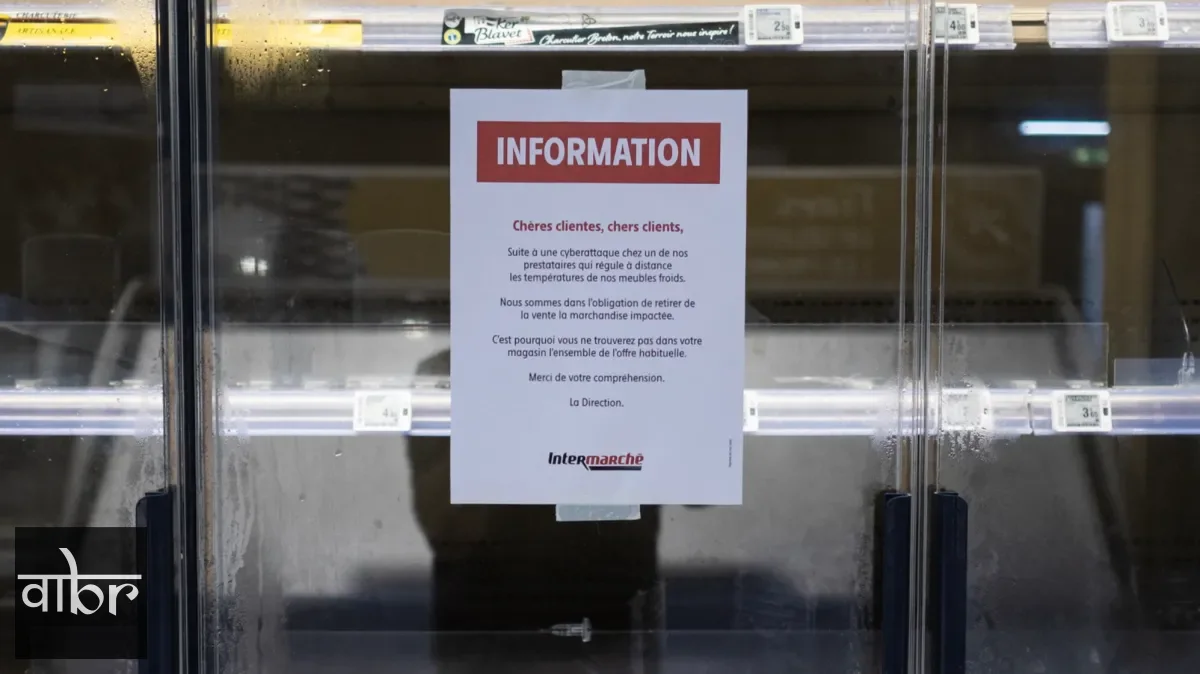
In an unprecedented escalation of digital warfare crossing over into the physical world, international regulatory bodies and federal agencies have raised red flags regarding widespread industrial freezer hacks. The digital intrusions, which compromise massive cold-storage units across retail, industrial, and military installations, have triggered sweeping panic and an immediate multi-agency investigation. As cyber security threats evolve beyond traditional enterprise networks into physical operational machinery, the latest industrial freezer hacks demonstrate a terrifying vulnerability in global logistics. Security analysts note that these industrial freezer hacks are no longer isolated incidents but rather a coordinated campaign designed to exploit legacy hardware and expose critical supply chain security weaknesses.
Deep Dive: Full Event Breakdown
The genesis of this crisis traces back to early autumn reports of anomalous temperature fluctuations in commercial cold-storage facilities. Investigators soon realized that industrial freezer hacks were systematically targeting the programmable logic controllers and Internet of Things gateways managing massive refrigeration complexes. These industrial freezer hacks quickly expanded from localized grocery store chains to colossal distribution hubs and sensitive military installations. Federal advisories confirm that cyber security threats of this nature are specifically engineered to bypass conventional firewalls by targeting vulnerable remote management portals. During the initial wave of industrial freezer hacks, bad actors manipulated refrigeration units to dangerously high temperatures, threatening millions of dollars in perishable goods and sensitive biological assets. Cybersecurity specialists analyzing the attack vectors discovered that the perpetrators utilized sophisticated credential-stuffing techniques alongside unpatched firmware vulnerabilities, making industrial freezer hacks exceptionally difficult to contain without taking entire facilities offline.
Industry Impact & Strategic Implications
The ripple effects of these ongoing industrial freezer hacks extend far beyond simple inventory loss, rattling foundational pillars of global supply chain security. Food safety standards are facing immediate jeopardy as retail operators scramble to audit their cold-chain integrity in the wake of relentless industrial freezer hacks. Simultaneously, defense sector contractors are reviewing their operational technology networks after discovering that military logistics facilities were directly targeted by the same strain of malicious actors executing industrial freezer hacks worldwide. Industry leaders argue that traditional risk management frameworks are completely inadequate when facing state-sponsored or financially motivated cyber security threats targeting physical infrastructure. The convergence of IT and operational technology has created a sprawling attack surface, proving that industrial freezer hacks represent a critical vulnerability for the entire cold-chain ecosystem. Insurance firms are already adjusting risk premiums, and regulatory bodies are drafting emergency mandates to harden operational technology against future industrial freezer hacks.
Technical / Market Analysis
From a technical perspective, the architecture underpinning modern refrigeration units makes them prime targets for malicious actors. Many commercial operators rely on legacy proprietary software lacking modern encryption and multi-factor authentication, directly enabling these widespread industrial freezer hacks. Threat intelligence feeds indicate that the groups executing these industrial freezer hacks are deploying custom malware vectors designed to persist undetected within internal local area networks. Market analysts project that the financial fallout from these industrial freezer hacks will accelerate investments in zero-trust architecture, automated threat intelligence platforms, and hardware-level isolation for critical cooling units. As organizations grapple with escalating cyber security threats, boardrooms are prioritizing robust asset discovery tools to map every connected device in their supply chain. The market for specialized operational technology monitoring software is experiencing explosive growth as enterprises desperately seek solutions to prevent catastrophic industrial freezer hacks from crippling their operations.
What This Means for Consumers and Developers
For the everyday consumer, the proliferation of industrial freezer hacks translates into heightened risks of food spoilage, potential supply shortages, and inflated retail prices. When major distribution networks fall victim to industrial freezer hacks, local supermarkets face severe inventory gaps, directly impacting daily essentials. Meanwhile, software developers and hardware engineers face an urgent wake-up call regarding secure coding practices and device lifecycle management. Developers must recognize that insecure internet-connected appliances can be weaponized in widespread industrial freezer hacks, necessitating rigorous security audits before deployment. Moving forward, engineering teams are being tasked with building self-healing systems and resilient fail-safes into all physical machinery to mitigate the devastating impact of modern cyber security threats.
Key Takeaways (Detailed bullet points)
Unprecedented Scale: Recent industrial freezer hacks have compromised commercial, retail, and military cold-storage facilities globally, exposing critical gaps in supply chain security. Heightened Vulnerabilities: Legacy programmable logic controllers and unpatched remote management portals remain the primary entry points for threat actors executing industrial freezer hacks. Sector-Wide Disruption: The attacks severely threaten food safety, perishable inventory, and sensitive military logistics networks, demanding immediate operational overhauls. Evolving Threat Landscape: The integration of IT and operational technology has dramatically expanded the attack surface for aggressive cyber security threats worldwide. Urgent Regulatory Response: Federal agencies are issuing comprehensive joint alerts and drafting emergency compliance standards to safeguard critical physical infrastructure.
The Road Ahead (Forward-looking conclusion)
The crisis surrounding these persistent industrial freezer hacks serves as a stark reminder that the digital and physical worlds are inextricably linked. As adversaries continue to innovate their attack methodologies, defending critical infrastructure requires an unprecedented level of public-private collaboration, proactive threat intelligence sharing, and aggressive patching schedules. Mitigating these systemic cyber security threats will take years of coordinated effort, heavy capital investment, and a fundamental cultural shift in how organizations approach operational security. Only by treating every connected physical device as a potential high-value target can the global community hope to prevent future waves of destructive industrial freezer hacks and secure the foundational arteries of modern society.
Strategic Industry Takeaways & Future Outlook
Furthermore, strategic integration surrounding cyber security threats remains a crucial priority for stakeholders. Ensuring high performance across cyber security threats is expected to deliver long-term competitive advantages.
Furthermore, strategic integration surrounding cyber security threats remains a crucial priority for stakeholders. Ensuring high performance across cyber security threats is expected to deliver long-term competitive advantages.
Furthermore, strategic integration surrounding cyber security threats remains a crucial priority for stakeholders. Ensuring high performance across cyber security threats is expected to deliver long-term competitive advantages.
Furthermore, strategic integration surrounding cyber security threats remains a crucial priority for stakeholders. Ensuring high performance across cyber security threats is expected to deliver long-term competitive advantages.
Key factors influencing this sector also include ransomware gangs , each playing an essential role in ongoing development and implementation.
📌 Related Briefings & Stories
OpenAI Cybersecurity Model Launch: Is Advanced AI Protection Enough? Meta Warns Election Backlash Against Data Centers Threatens AI Expansion Meta Google and TikTok Sue California Over Teen Social Media Law
Varta Brief Team
· Newsroom DeskReported, verified, and published by the Varta Brief editorial desk with an uncompromising commitment to primary-source verification and independent journalism.
Related Dispatches
More in Technology →
Amazon Decart Acquisition Signals Bold Move to Challenge Nvidia AI Dominance
Amazon buys Decart for $7.5B to optimize Trainium silicon and reshuffle the Nvidia AI chip race across enterprise cloud computing infrastructure.

Nvidia Board Governance Tested as Jensen Huang Discloses Additional Affairs
A detailed investigation into how revelations around Jensen Huang leadership impact corporate stability, chip markets, and Nvidia's standing with investors.

GTA 6 Sets Historic Record as the Biggest Launch in PlayStation History
Discover how GTA 6 became the biggest launch in PlayStation history, shattering records and reshaping the modern gaming landscape with unprecedented sales.