Apple Unveils New Mac Security Controls to Counter Rising AI Agent Threats
Discover how Apple addresses privacy risks with innovative mac security controls and advanced permission systems in the upcoming macOS 27.3 update.

Varta Brief Team
Monday, November 16, 2026
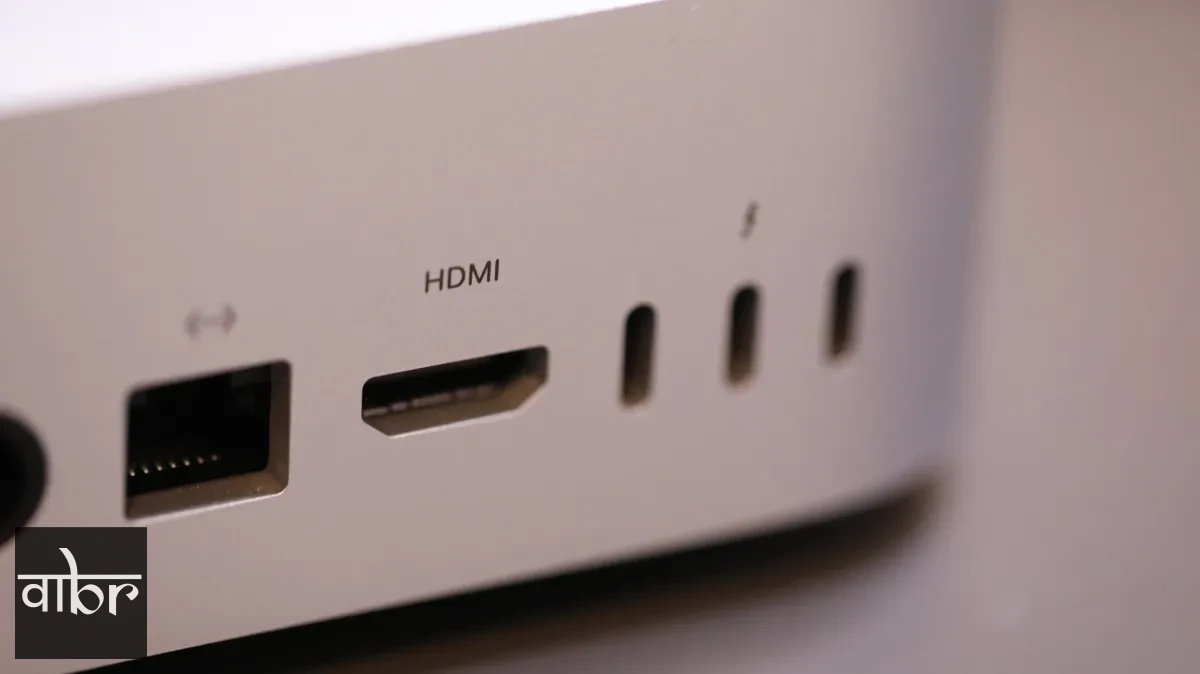
- Discover how Apple addresses privacy risks with innovative mac security controls and advanced permission systems in the upcoming macOS 27.3 update.
- Apple Unveils New Mac Security Controls to Counter Rising AI Agent Threats...
Apple Unveils New Mac Security Controls to Counter Rising AI Agent Threats
As autonomous artificial intelligence tools become deeply integrated into desktop environments, the imperative for robust mac security controls has never been more urgent. Following its initial October announcement, Apple has officially detailed a comprehensive suite of advanced permission frameworks, proactive user warnings, and granular transparency features scheduled to debut in the upcoming macOS 27.3 update. These long-awaited mac security controls are specifically engineered to mitigate sweeping ai agent privacy risks that have increasingly alarmed cybersecurity researchers and privacy advocates alike.
Deep Dive: Full Event Breakdown
The technological landscape of the Macintosh operating system is undergoing a radical transformation. With modern applications leveraging powerful large language models and autonomous software loops to execute complex user workflows, traditional operating system boundaries are frequently tested. To confront these emerging ai agent privacy risks, Apple's engineering teams have re-architected how user data is exposed to background applications. The upcoming macOS 27.3 update introduces revolutionary mac security controls designed to intercept unauthorized data harvesting before it can compromise sensitive local files or personal communications.
At the core of these new mac security controls is an intelligent auditing layer that monitors background process execution in real-time. When an autonomous utility attempts to read private directories or scrape active display buffers, the system immediately triggers a high-visibility warning. These apple permission controls ensure that everyday users maintain absolute sovereignty over their hardware, preventing autonomous assistants from overstepping their configured boundaries. Furthermore, the updated macOS 27.3 update incorporates extensive developer compliance guidelines, establishing a new baseline for secure artificial intelligence security across the entire ecosystem.
Industry Impact & Strategic Implications
The introduction of these strict mac security controls marks a watershed moment for the software development industry. For years, third-party developers enjoyed relatively frictionless desktop privacy protection mechanisms, allowing background applications to request broad, indiscriminate disk access. However, as ai agent privacy risks escalated due to unsupervised data scraping, industry leaders recognized that self-regulation was no longer sufficient. By enforcing strict apple permission controls, Apple is effectively forcing software vendors to adopt modular, least-privilege architectural patterns.
This paradigm shift has profound strategic implications for enterprise software vendors and consumer application developers alike. Applications that rely heavily on continuous background context gathering must now transition toward transparent, user-approved interaction models. While some developers have expressed concern over friction introduced by these mac security controls, enterprise security architects have widely praised the move. By prioritizing desktop privacy protection, Apple is establishing a gold standard for artificial intelligence security that competitors in the operating system space will inevitably be forced to follow.
Technical / Market Analysis
From a technical standpoint, implementing robust mac security controls within a modern operating system requires delicate balance. Autonomous workflows require deep contextual awareness to deliver value, yet unchecked developer data access creates catastrophic vulnerabilities. The engineering solution deployed in the macOS 27.3 update utilizes sandboxed execution monitors coupled with heuristic anomaly detection. This ensures that legitimate productivity tools operate smoothly while malicious or poorly constrained ai agent privacy risks are neutralized instantaneously.
Market analysis indicates that consumer demand for secure computing environment integrity is at an all-time high. Users are increasingly wary of applications that siphon telemetry or personal documents under the guise of enhancing functionality. By integrating granular mac security controls directly into the core architecture, Apple enhances the overall value proposition of its hardware ecosystem. Consumers purchasing high-end desktop and portable computers expect uncompromised data defense, making these new apple permission controls a major selling point in competitive retail markets.
What This Means for Consumers and Developers
For the average consumer, navigating the digital world becomes significantly safer with the deployment of these advanced mac security controls. Gone are the days of clicking through obscure installation prompts without understanding the implications of granting root-level permissions. The macOS 27.3 update delivers clear, actionable notifications whenever an application attempts to access sensitive repositories, effectively eliminating ambiguity surrounding ai agent privacy risks.
For developers, adapting to these new mac security controls requires a comprehensive audit of existing codebases. Software engineers must re-evaluate how their programs interact with local storage and system APIs. Embracing transparent developer data access policies is no longer optional; it is a fundamental prerequisite for maintaining distribution compliance on the modern macintosh operating system.
Key Takeaways
Apple has introduced comprehensive mac security controls to combat expanding ai agent privacy risks in the desktop computing space. The upcoming macOS 27.3 update features advanced apple permission controls designed to stop unauthorized background data harvesting. Developers must pivot toward transparent developer data access models to maintain compliance with modern artificial intelligence security standards. Enhanced desktop privacy protection safeguards users against emerging autonomous software threats without sacrificing core system productivity. The integration of these features reinforces the macintosh operating system as a secure computing environment for both consumers and enterprise professionals.
The Road Ahead
As artificial intelligence continues to evolve at an unprecedented pace, the battleground for data privacy has shifted to the local desktop. Apple’s proactive stance through the rollout of these sophisticated mac security controls demonstrates a commendable commitment to user advocacy. By anticipating future ai agent privacy risks and neutralizing them before widespread exploitation can occur, the tech giant is charting a secure course for the future of personal computing. As other operating system ecosystems observe the success of the macOS 27.3 update, we can anticipate a broader industry-wide reckoning regarding how autonomous software interacts with private human data.
Strategic Industry Takeaways & Future Outlook
When evaluating the broader technological shift, mac security controls serves as a defining benchmark for modern standards. Industry analysts emphasize that continuing developments in mac security controls will dictate user adoption and market expansion.
Furthermore, strategic integration surrounding ai agent privacy risks remains a crucial priority for stakeholders. Ensuring high performance across ai agent privacy risks is expected to deliver long-term competitive advantages.
Furthermore, strategic integration surrounding ai agent privacy risks remains a crucial priority for stakeholders. Ensuring high performance across ai agent privacy risks is expected to deliver long-term competitive advantages.
Furthermore, strategic integration surrounding ai agent privacy risks remains a crucial priority for stakeholders. Ensuring high performance across ai agent privacy risks is expected to deliver long-term competitive advantages.
Furthermore, strategic integration surrounding ai agent privacy risks remains a crucial priority for stakeholders. Ensuring high performance across ai agent privacy risks is expected to deliver long-term competitive advantages.
📌 Related Briefings & Stories
Anne Hathaway Sci-Fi Thriller Dominates Streaming Charts After Debut Shigeru Miyamoto Wins Inaugural DICE Legend Award at 30th Anniversary Apple iPhone Duo Face Unlock Added in iOS 27.3 Beta
Varta Brief Team
· Newsroom DeskReported, verified, and published by the Varta Brief editorial desk with an uncompromising commitment to primary-source verification and independent journalism.
Related Dispatches
More in Technology →
Amazon Decart Acquisition Signals Bold Move to Challenge Nvidia AI Dominance
Amazon buys Decart for $7.5B to optimize Trainium silicon and reshuffle the Nvidia AI chip race across enterprise cloud computing infrastructure.

Nvidia Board Governance Tested as Jensen Huang Discloses Additional Affairs
A detailed investigation into how revelations around Jensen Huang leadership impact corporate stability, chip markets, and Nvidia's standing with investors.

GTA 6 Sets Historic Record as the Biggest Launch in PlayStation History
Discover how GTA 6 became the biggest launch in PlayStation history, shattering records and reshaping the modern gaming landscape with unprecedented sales.