Marvel Blade Movie Production Chaos Exposed By Former Director Bassam Tariq
Discover why the Marvel Blade movie collapsed as former director Bassam Tariq reveals they started casting and building sets without a proper script.

Varta Brief Team
Saturday, November 21, 2026
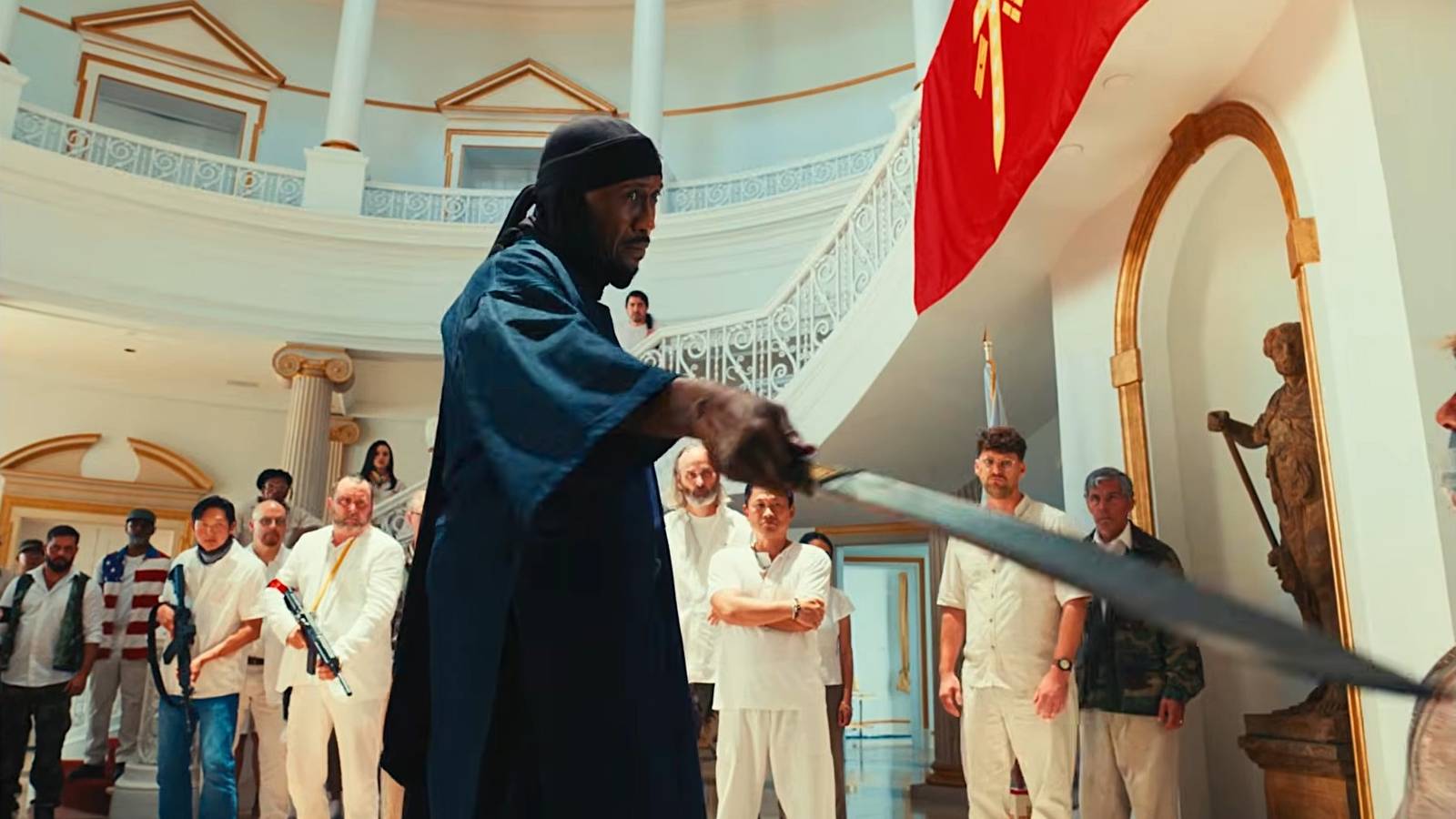
- Discover why the Marvel Blade movie collapsed as former director Bassam Tariq reveals they started casting and building sets without a proper script.
- The cancellation and indefinite delay of the Marvel Blade movie has long baffled fans and industry insiders alike, representing a glaring misstep for a cinematic universe historica...
The cancellation and indefinite delay of the Marvel Blade movie has long baffled fans and industry insiders alike, representing a glaring misstep for a cinematic universe historically known for its meticulously mapped-out releases. Now, explosive new details have emerged regarding the troubled film production that plagued the project from its very inception. Former director Bassam Tariq recently opened up about the surreal reality of steering the Marvel Blade movie into pre-production without even having a completed or stable script in hand. This shocking revelation offers a rare, unfiltered look into the systemic cracks forming within modern blockbuster budgeting and timeline management.
When Marvel Studios first announced that two-time Academy Award winner Mahershala Ali would don the iconic trench coat and sunglasses to portray the daywalker, expectations for the Marvel Blade movie skyrocketed. Fans eagerly anticipated a dark, gritty addition to the Marvel Cinematic Universe that would harken back to the R-rated energy of the Wesley Snipes original trilogy. However, behind the glossy concept art and high-profile casting announcements, a troubled film production was quietly spiraling out of control. Bassam Tariq candidly described the surreal experience of casting actors, scouting locations, and building intricate set designs while the core narrative—the foundational script itself—was still entirely missing. Such a cart-before-the-horse approach highlights a deeply concerning pattern within contemporary studio filmmaking, where release dates dictate creative execution rather than artistic readiness.
Deep Dive: Full Event Breakdown
The downfall of the Marvel Blade movie under Bassam Tariq’s initial tenure serves as a textbook case study in how a troubled film production can implode from the top down. According to industry reports and Tariq's own recent reflections, the pressure to rush the Marvel Blade movie onto the production schedule created an environment of perpetual anxiety. In traditional filmmaking, the script development phase is the bedrock upon which every subsequent department—from wardrobe and stunts to visual effects and cinematography—builds its strategy. Yet, for this troubled film production, executives mandated a simultaneous design and writing process that ultimately paralyzed creative momentum.
Bassam Tariq noted that it felt both funny and deeply strange to be deep into casting and physical pre-production for the Marvel Blade movie without a locked screenplay. Without a script, department heads were essentially guessing at the tone, scale, and action choreography required for the Marvel Blade movie. This lack of structural clarity caused massive friction, pushing the troubled film production into an expensive loop of revisions, conceptual redrafts, and ballooning budgets. When creative visions clashed with corporate timelines, the Marvel Blade movie inevitably stalled, leading to Tariq's eventual departure and a revolving door of subsequent writers and directors.
Industry Impact & Strategic Implications
The fallout from this troubled film production extends far beyond a single stalled project; it signals a profound reckoning for the broader Hollywood movie industry. For over a decade, major studios have relied on putting release dates on a calendar years in advance, forcing creative teams to reverse-engineer narratives to fit corporate deadlines. The Marvel Blade movie fiasco demonstrates the unsustainable nature of this pipeline-driven approach. When studios prioritize release schedules over the script development phase, projects like the Marvel Blade movie frequently descend into MCU development hell.
For superhero cinema as a whole, the struggles of the Marvel Blade movie underscore a growing audience fatigue with rushed, formulaic storytelling. Stakeholders across the Hollywood movie industry are beginning to realize that audiences can smell a chaotic production a mile away. The financial and reputational stakes of a troubled film production mean that studios can no longer afford to wing pre-production. Moving forward, the catastrophic stall of the Marvel Blade movie will likely force studio executives to rethink how greenlights are distributed, placing renewed value on having a finished script before spending tens of millions of dollars on casting and set construction.
Technical / Market Analysis
From a market and logistical standpoint, executing a major tentpole feature like the Marvel Blade movie without a finished screenplay introduces astronomical financial risks. In modern blockbuster economics, a troubled film production incurs massive daily overhead costs. When a project like the Marvel Blade movie pays for soundstages, crew salaries, and equipment rentals without a functioning script, millions of dollars are routinely squandered on sets that must later be completely redesigned or scrapped.
Furthermore, the talent involved, particularly marquee actors like Mahershala Ali, face career limbo during a protracted script development phase. A technical breakdown of the timeline reveals that the Marvel Blade movie lost critical momentum precisely because the production machinery outpaced the creative writing room. In the competitive landscape of superhero cinema, efficiency and creative alignment are paramount. The financial write-downs and scheduling nightmares associated with this troubled film production have taught Wall Street and Disney shareholders a harsh lesson about the tangible costs of scriptless filmmaking.
What This Means for Consumers and Developers
For everyday moviegoers and fans eagerly anticipating the Marvel Blade movie, these revelations provide valuable context regarding why their most anticipated projects face endless delays. It proves that creative delays are often symptoms of deeper structural issues within the studio system rather than mere laziness. Consumers deserve high-quality storytelling, which inherently requires adequate time in the script development phase.
For creators, directors, and developers navigating the studio system, the cautionary tale of the Marvel Blade movie serves as both a warning and a validation. It highlights the importance of creative leverage and executive patience. Talented filmmakers who find themselves attached to a troubled film production now have a clearer precedent to push back against premature casting and production rollouts that lack narrative cohesion.
Key Takeaways
The Marvel Blade movie suffered severe delays primarily because pre-production began without a completed script. Former director Bassam Tariq highlighted the bizarre reality of casting and building sets during a chaotic script development phase. This troubled film production exposed the unsustainable flaws of locking in release dates before creative readiness is achieved. The ongoing saga contributes directly to wider conversations about burnout and fatigue within superhero cinema. Industry stakeholders are reevaluating how the Hollywood movie industry manages budgets and greenlight processes.
The Road Ahead
Ultimately, the saga of the Marvel Blade movie remains a watershed moment for modern blockbuster production. Whether the project eventually revitalizes itself under fresh leadership remains to be seen, but the lessons learned from this troubled film production will resonate for years. Studios must respect the delicate art of the script development phase if they hope to restore faith in superhero cinema. Until the Hollywood movie industry learns to prioritize narrative integrity over corporate calendar panic, projects will continue to face the perils of MCU development hell, leaving fans waiting indefinitely for heroes who may never arrive on screen.
Strategic Industry Takeaways & Future Outlook
Furthermore, strategic integration surrounding troubled film production remains a crucial priority for stakeholders. Ensuring high performance across troubled film production is expected to deliver long-term competitive advantages.
Furthermore, strategic integration surrounding troubled film production remains a crucial priority for stakeholders. Ensuring high performance across troubled film production is expected to deliver long-term competitive advantages.
Furthermore, strategic integration surrounding troubled film production remains a crucial priority for stakeholders. Ensuring high performance across troubled film production is expected to deliver long-term competitive advantages.
Key factors influencing this sector also include film directing struggles , each playing an essential role in ongoing development and implementation.
📌 Related Briefings & Stories
The Rise of AI agents in text messages: Transforming Mobile Tech AI Actor Likeness Licensing Reshapes Hollywood Microdrama Future Alaska Governor-Elect Jonathan Kreiss-Tomkins Wikipedia Edits
Varta Brief Team
· Newsroom DeskReported, verified, and published by the Varta Brief editorial desk with an uncompromising commitment to primary-source verification and independent journalism.
Related Dispatches
More in Entertainment →
The Silent Triumph of Master Craftsmanship: Paris Unveils Restored Notre-Dame Oak Spire
Master artisans wielding medieval adzes alongside millimeter-accurate laser scanners unveil the revived cathedral oak timbers in solemn splendor.

Less as Abundance: Venice Biennale Awards Golden Lion to Monastic rammed-Earth Architecture
The jury of the 19th International Architecture Exhibition praised the pavilion for demonstrating that structural dignity emerges from environmental restraint.

Beyond the Plate: Michelin Guide Rewrites Scoring Rubric to Prioritize Heritage Agriculture
The Michelin Guide has overhauled its centenary evaluation criteria, elevating agrarian biodiversity and hyper-local forage preservation to parity with technical plating.