Mass-Produced AI Data Centers: Can Runware Transform Infrastructure?
Discover how innovative mass-produced AI data centers are transforming technology infrastructure. Explore Runware's assembly-line approach to building facilities.

Varta Brief Team
Friday, October 30, 2026
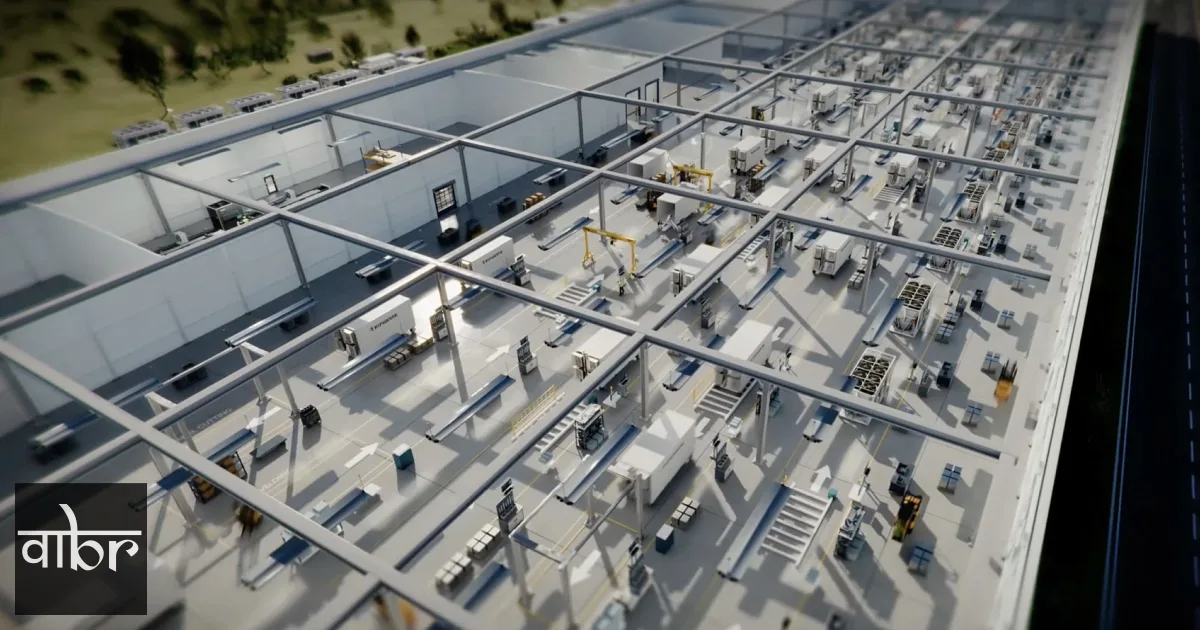
- Discover how innovative mass-produced AI data centers are transforming technology infrastructure. Explore Runware's assembly-line approach to building facilities.
- Mass-Produced AI Data Centers: Can Runware Transform Infrastructure?...
Mass-Produced AI Data Centers: Can Runware Transform Infrastructure?
As the global demand for artificial intelligence capabilities continues to skyrocket, the technology sector faces an unprecedented bottleneck: physical real estate and construction timelines. Traditional data center construction requires years of planning, zoning approvals, and millions in capital expenditure. However, a bold new paradigm is emerging to challenge this status quo. Enter the concept of mass-produced AI data centers, an ambitious venture spearheaded by pioneering companies aiming to redefine how modern infrastructure is deployed worldwide.
At the forefront of this industrial revolution is the Runware factory, an enterprise dedicated to turning out fully operational, modular data centers right off an assembly line. By treating hyper-scale computing installations more like automobiles than permanent civil engineering projects, these innovators are promising rapid deployment times that could slash operational latency and bypass traditional construction delays entirely. This comprehensive investigation dives into the mechanics, market implications, and technological hurdles facing mass-produced AI data centers and the Runware factory initiative.
Deep Dive: Full Event Breakdown
The traditional lifecycle of establishing heavy-duty computational infrastructure is notoriously sluggish. Securing land, obtaining permits, and laying down industrial-grade electrical substations can stretch timelines to half a decade. When evaluating mass-produced AI data centers, industry observers immediately recognize the radical nature of the shift. Instead of building monolithic structures on-site, the Runware factory manufactures self-contained, pre-wired, and liquid-cooled computing units designed to be shipped globally and brought online in mere hours.
Inside the Runware factory, automation meets heavy engineering. High-density server racks, advanced power distribution units, and complex thermal management systems are integrated into standardized modular chassis on a moving assembly line. This controlled manufacturing environment ensures rigorous quality control, minimizing human error during installation. When these units arrive at their destination, deployment crews simply plug them into local power grids and high-speed fiber-optic networks. The appeal of mass-produced AI data centers lies in this plug-and-play capability, offering unprecedented agility for enterprises desperate for immediate computing resources.
Yet, the logistical hurdles of mass-produced AI data centers are immense. Transporting heavy, densely packed server architectures requires specialized logistics. Furthermore, local regulatory compliance varies wildly across jurisdictions, meaning each unit shipped from the Runware factory must adapt to disparate electrical codes and environmental standards. Critics and skeptics within the tech sphere point out that while factory-floor efficiency is high, real-world deployment variables could complicate the promise of rapid setup.
Industry Impact & Strategic Implications
The introduction of mass-produced AI data centers threatens to upend the traditional commercial real estate and enterprise technology markets. For years, tech giants have relied on custom-built, multi-tenant facilities. The rise of units engineered by the Runware factory democratizes access to elite-tier infrastructure. Smaller enterprises and regional cloud providers can now scale their operations horizontally without committing to multi-million-dollar long-term lease agreements.
Furthermore, the economic implications for global supply chains are profound. As mass-produced AI data centers gain traction, demand for standardized electrical components, specialized cooling fluids, and next-generation silicon will surge. Component manufacturers must align their production schedules with the rapid output of the Runware factory. This alignment creates a symbiotic ecosystem where manufacturing speed dictates digital innovation velocity.
Strategic positioning is shifting rapidly. Companies that adopt pre-fabricated infrastructure early will likely outpace competitors bogged down by traditional building timelines. The modular nature of mass-produced AI data centers allows businesses to scale their compute capacity dynamically. If demand spikes, organizations can simply order additional units from the Runware factory, integrating them into their existing clusters with minimal friction.
Technical / Market Analysis
From a technical perspective, building reliable, high-density computing environments on an assembly line requires solving complex thermodynamic and electrical engineering problems. Modern artificial intelligence workloads demand massive electrical draws and generate extreme heat, necessitating advanced liquid-cooling mechanisms integrated directly into the factory build. The engineering team at the Runware factory has focused heavily on closed-loop thermal designs to ensure that mass-produced AI data centers can operate efficiently in diverse climates, from desert heat to arctic cold.
Market analysis reveals a fertile landscape for this technology. With global chip shortages easing but physical infrastructure lagging behind, enterprises are hungry for solutions that bridge the gap between silicon availability and operational readiness. Mass-produced AI data centers address this exact market pain point. By decoupling compute deployment from traditional construction, the Runware factory unlocks immediate value for enterprise clients.
Investors are watching closely. The success of mass-produced AI data centers could trigger a wave of venture capital pouring into industrial automation for tech infrastructure. If the Runware factory proves its business model at scale, incumbent data center operators will be forced to pivot toward modular, factory-built solutions to remain competitive in a fast-moving market.
What This Means for Consumers and Developers
While end-users may never directly interact with mass-produced AI data centers, they will undeniably feel the downstream effects. Faster infrastructure deployment translates directly to quicker rollouts of advanced artificial intelligence models, richer gaming ecosystems, and more responsive cloud applications. Developers who rely on massive computational clusters will no longer face debilitating wait times for resource allocation.
When developers can leverage the immense computing power unlocked by units from the Runware factory, the iterative cycle of software development accelerates. Training large language models, rendering complex 3D environments, and processing real-time data streams become streamlined. Ultimately, mass-produced AI data centers empower developers to push the boundaries of what is technologically possible without being constrained by physical infrastructure limitations.
Key Takeaways
The emergence of mass-produced AI data centers represents a fundamental shift in how digital infrastructure is built and deployed globally. The Runware factory utilizes assembly-line manufacturing principles to produce pre-wired, liquid-cooled computing modules capable of rapid online integration. Supply chain dynamics and regulatory compliance remain key challenges for scaling factory-built infrastructure internationally. Enterprises can now scale their computing capacity dynamically by ordering standardized units rather than constructing permanent facilities. Developers and consumers will benefit from accelerated AI model training, reduced latency, and more agile cloud services.
The Road Ahead
The journey toward ubiquitous, factory-built computing infrastructure is only beginning. As the Runware factory scales its operations, the market will closely monitor the long-term durability, energy efficiency, and cost-effectiveness of mass-produced AI data centers. If these modular installations successfully withstand the rigors of diverse operational environments, they will undoubtedly become the gold standard for global tech expansion.
In conclusion, the convergence of industrial manufacturing and advanced computing proves that innovation is not limited to software algorithms alone. By rethinking the physical vessel of our digital world, pioneers in mass-produced AI data centers are paving the way for a faster, more flexible, and highly resilient technological future.
Strategic Industry Takeaways & Future Outlook
Furthermore, strategic integration surrounding Runware factory remains a crucial priority for stakeholders. Ensuring high performance across Runware factory is expected to deliver long-term competitive advantages.
Furthermore, strategic integration surrounding Runware factory remains a crucial priority for stakeholders. Ensuring high performance across Runware factory is expected to deliver long-term competitive advantages.
Key factors influencing this sector also include assembly line production , AI hardware scaling , tech startup innovation , GPU clustering , infrastructure bottlenecks , each playing an essential role in ongoing development and implementation.
📌 Related Briefings & Stories
Xbox Console Demand Crisis: CEO Claims Versus Declining Sales Data Donald Glover PUBG Adaptation: Netflix Greenlights Battle Royale Series SuperMe Raises $20M To Scale AI expert profiles And Transform Knowledge Sharing
Varta Brief Team
· Newsroom DeskReported, verified, and published by the Varta Brief editorial desk with an uncompromising commitment to primary-source verification and independent journalism.
Related Dispatches
More in Technology →
Amazon Decart Acquisition Signals Bold Move to Challenge Nvidia AI Dominance
Amazon buys Decart for $7.5B to optimize Trainium silicon and reshuffle the Nvidia AI chip race across enterprise cloud computing infrastructure.

Nvidia Board Governance Tested as Jensen Huang Discloses Additional Affairs
A detailed investigation into how revelations around Jensen Huang leadership impact corporate stability, chip markets, and Nvidia's standing with investors.

GTA 6 Sets Historic Record as the Biggest Launch in PlayStation History
Discover how GTA 6 became the biggest launch in PlayStation history, shattering records and reshaping the modern gaming landscape with unprecedented sales.