Meta Muse AI Avatar Video Chat Officially Launches for US Users
Discover how Meta Muse AI avatar video chat is transforming digital interaction for US users ahead of a groundbreaking Tamagotchi-style wearable release.

Varta Brief Team
Friday, November 6, 2026
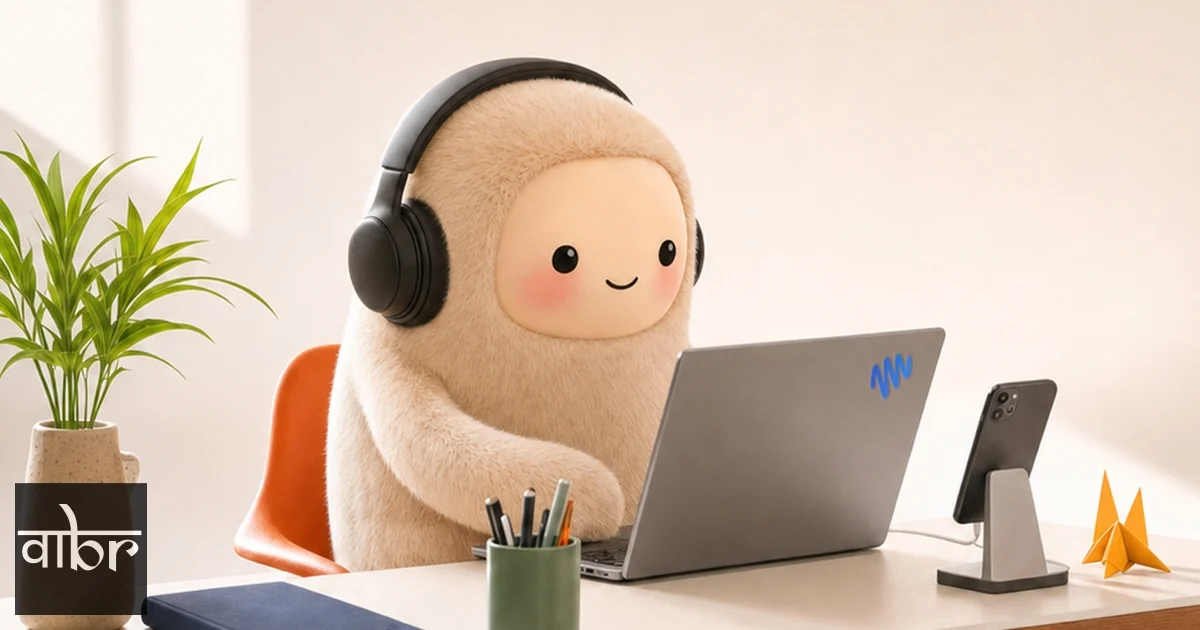
- Discover how Meta Muse AI avatar video chat is transforming digital interaction for US users ahead of a groundbreaking Tamagotchi-style wearable release.
- Meta Muse AI Avatar Video Chat Officially Launches for US Users...
Meta Muse AI Avatar Video Chat Officially Launches for US Users
The landscape of human-computer interaction is undergoing a profound paradigm shift. Meta has officially announced that US users can now video chat with their Muse AI avatar, marking a watershed moment in the evolution of conversational artificial intelligence. No longer confined to plain text boxes or standard audio prompts, Meta Muse AI brings a deeply personalized digital companion directly to life via expressive, animated avatars. This strategic roll-out bridges the gap between text-based large language models and visceral, face-to-face communication, setting the stage for an upcoming hardware release designed to embed these autonomous companions directly into our daily routines.
As consumers increasingly demand more engaging, empathetic, and visually responsive interfaces, the ability to video chat with their Muse AI avatar offers a refreshing glimpse into the future of computing. Meta Muse AI utilizes advanced multimodal neural networks to process user expressions, vocal tones, and contextual cues in real time, delivering a seamless and remarkably natural conversational flow. Behind this consumer-facing feature lies a meticulously orchestrated strategy that combines software innovation with a soon-to-be-released Tamagotchi-like wearable device, promising to make Meta Muse AI a persistent, tangible presence in everyday life.
Deep Dive: Full Event Breakdown
The rollout of Meta Muse AI video calling capabilities represents months of behind-the-scenes iteration by Meta's Reality Labs and foundational AI research teams. When users initiate a call, the Meta Muse AI system instantly spawns a customizable animated avatar designed to mirror specific aesthetic preferences and behavioral quirks. Unlike static video game characters or generic customer service chatbots, Meta Muse AI dynamic visualizations respond instantaneously to verbal feedback, utilizing real-time rendering pipelines to simulate eye contact, nods, and subtle micro-expressions.
Industry analysts tracking Meta Muse AI note that the technical architecture relies heavily on low-latency audio-visual synchronization models. When individuals video chat with their Muse, the underlying engine translates speech tokens into facial muscle movements with minimal lag. This breakthrough ensures that the Meta Muse AI experience feels organic rather than robotic. Furthermore, the capacity to video chat with their Muse introduces a novel layer of emotional resonance, proving that Meta Muse AI is engineered not merely for utilitarian task management, but for deep, enduring companionship. The integration of Meta Muse AI into daily workflows highlights how rapidly conversational artificial intelligence is maturing into a lifestyle-defining ecosystem.
Industry Impact & Strategic Implications
The introduction of Meta Muse AI and its accompanying avatar video functionality sends shockwaves across the technology sector. Competitors in the generative AI platforms space are now forced to re-evaluate their own product roadmaps, particularly regarding embodied AI and emotional computing. By enabling users to video chat with their Muse, Meta is effectively pioneering a new category of consumer software that blurs the boundaries between productivity tools and digital pets.
This strategic pivot aligns seamlessly with the broader Meta hardware roadmap. The upcoming launch of a Tamagotchi-like wearable device is designed to tether Meta Muse AI to the physical world, allowing users to carry their animated avatars on keychains, smart pendants, or wristbands. By allowing people to video chat with their Muse on mobile and desktop devices today, Meta is building critical user familiarity and emotional attachment before the hardware hits retail shelves. Such digital assistant innovation threatens to disrupt traditional social media engagement loops, steering user attention toward autonomous, highly personalized virtual entities that live both in the cloud and on pocket-sized devices.
Technical / Market Analysis
From a technical standpoint, supporting millions of concurrent video streams powered by real-time generative animated avatars demands staggering computational resources. Meta Muse AI leverages cutting-edge neural rendering frameworks to optimize GPU loads across data centers, ensuring that users who video chat with their Muse experience high-definition fidelity without stuttering frame rates. The economic model underpinning Meta Muse AI also signals a transition toward subscription-tiered digital companionship, where advanced customization, wardrobe upgrades for avatars, and persistent memory features could drive substantial monetization.
Market researchers observing the intersection of interactive computing futures and consumer electronics predict that Meta Muse AI could capture significant market share among younger demographics who favor visual and gamified interactions over traditional search engines. The impending release of the Tamagotchi-like wearable further solidifies this market thesis. When users can physically interact with, feed, and nurture their Meta Muse AI outside of a traditional screen, the boundary between software utility and emotional bonding dissolves entirely.
What This Means for Consumers and Developers
For everyday consumers, the ability to video chat with their Muse offers a comforting, highly customizable point of contact for brainstorming, casual conversation, or mental health check-ins. However, it also raises important questions regarding data privacy, psychological dependency, and the long-term societal impacts of immersive tech integration. As users increasingly rely on Meta Muse AI for daily companionship, ethical guardrails around emotional manipulation will undoubtedly face intense public scrutiny.
For third-party developers and software engineers, the success of Meta Muse AI opens up exciting avenues for building compatible plugins, custom avatar skins, and specialized micro-applications. The developer ecosystem surrounding Meta Muse AI could mirror the early app store gold rushes, rewarding creators who understand how to design compelling interactive behaviors for animated avatars within constrained hardware environments.
Key Takeaways (Detailed bullet points)
Meta has officially rolled out video calling functionality for US users interacting with their Meta Muse AI assistant. The system features customizable animated avatars that respond in real time with synchronized facial expressions and vocal inflections. This software release serves as a strategic precursor to an anticipated Tamagotchi-like wearable device designed to bring Meta Muse AI into the physical world. Conversational artificial intelligence is shifting from plain text interfaces toward emotionally resonant, visual, and embodied computing models. Extensive computational optimizations ensure low-latency video streaming, enabling users to seamlessly video chat with their Muse without frustrating delays. The Meta hardware roadmap places heavy emphasis on ambient computing, blending cloud-based intelligence with pocket-sized physical companions. Privacy advocates and industry watchdogs continue to monitor the psychological and data-security implications of deep human-avatar attachment.
The Road Ahead (Forward-looking conclusion)
The debut of Meta Muse AI video chat capabilities is merely the opening salvo in Meta's aggressive push toward ambient, avatar-driven computing. As developers refine the underlying models and prepare for the hardware ecosystem expansion, the ways in which humanity interacts with artificial intelligence will never be the same. Whether consumers embrace Meta Muse AI as a helpful productivity partner or an addictive virtual friend, one reality remains undeniable: the era of flat, text-bound chatbots has officially drawn to a close, paving the way for a vibrant, animated digital future.
Strategic Industry Takeaways & Future Outlook
Furthermore, strategic integration surrounding video chat with their Muse remains a crucial priority for stakeholders. Ensuring high performance across video chat with their Muse is expected to deliver long-term competitive advantages.
Furthermore, strategic integration surrounding video chat with their Muse remains a crucial priority for stakeholders. Ensuring high performance across video chat with their Muse is expected to deliver long-term competitive advantages.
Furthermore, strategic integration surrounding video chat with their Muse remains a crucial priority for stakeholders. Ensuring high performance across video chat with their Muse is expected to deliver long-term competitive advantages.
Furthermore, strategic integration surrounding video chat with their Muse remains a crucial priority for stakeholders. Ensuring high performance across video chat with their Muse is expected to deliver long-term competitive advantages.
📌 Related Briefings & Stories
Serve Robotics Launches Physical AI Services as the AWS for Robots Airbnb AI travel agent launch set for 2027: The future of vacation planning Mastering Every Great Fairy's Fountain Location in Ocarina of Time
Varta Brief Team
· Newsroom DeskReported, verified, and published by the Varta Brief editorial desk with an uncompromising commitment to primary-source verification and independent journalism.
Related Dispatches
More in Technology →
Amazon Decart Acquisition Signals Bold Move to Challenge Nvidia AI Dominance
Amazon buys Decart for $7.5B to optimize Trainium silicon and reshuffle the Nvidia AI chip race across enterprise cloud computing infrastructure.

Nvidia Board Governance Tested as Jensen Huang Discloses Additional Affairs
A detailed investigation into how revelations around Jensen Huang leadership impact corporate stability, chip markets, and Nvidia's standing with investors.

GTA 6 Sets Historic Record as the Biggest Launch in PlayStation History
Discover how GTA 6 became the biggest launch in PlayStation history, shattering records and reshaping the modern gaming landscape with unprecedented sales.