Meta Muse Charm Device Launch: Pricing and Specs Breakdown
Discover the latest insights on the upcoming Meta Muse Charm device. Pricing rumors point to $300 for this groundbreaking AI wearable tech.

Varta Brief Team
Thursday, November 19, 2026
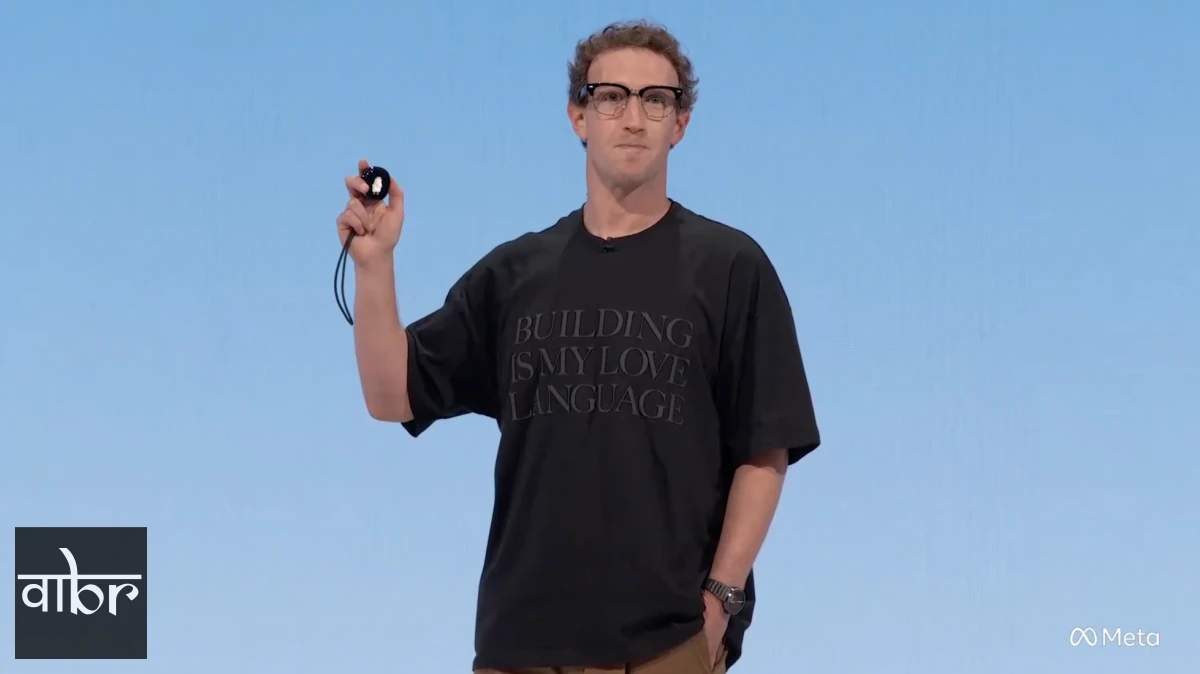
- Discover the latest insights on the upcoming Meta Muse Charm device. Pricing rumors point to $300 for this groundbreaking AI wearable tech.
- The consumer technology landscape stands at a critical crossroads as whispers surrounding the upcoming Meta Muse Charm device intensify across Silicon Valley. According to recent i...
The consumer technology landscape stands at a critical crossroads as whispers surrounding the upcoming Meta Muse Charm device intensify across Silicon Valley. According to recent investigative reports originating from industry insiders at The Information, Meta’s secretive hardware division is preparing to launch the Meta Muse Charm device with an anticipated retail price hovering around the $300 mark. While corporate representatives from Meta have deliberately avoided confirming these specific details, their standard corporate messaging notes that they will "have more to share soon" regarding their rapidly expanding hardware portfolio. This cryptic response has only served to amplify speculation, turning the Meta Muse Charm device into one of the most heavily discussed pieces of upcoming consumer hardware in recent memory. As consumers increasingly look toward ambient intelligence devices to simplify their daily routines, the arrival of the Meta Muse Charm device could redefine how individuals interact with artificial intelligence on a day-to-day basis. In this comprehensive, deep-dive investigative report, VartaBrief explores the multifaceted implications of the Meta Muse Charm device, examining how its rumored $300 price point positions it strategically against competitors in the crowded smart glasses alternative sector and the broader wearable hardware ecosystem.
Deep Dive: Full Event Breakdown
The genesis of the Meta Muse Charm device traces back to Meta’s broader pivot toward ambient computing and multimodal artificial intelligence interfaces. Over the past several years, the corporation formerly known as Facebook has aggressively funneled billions of dollars into its Reality Labs division, seeking to transition away from purely software-driven business models into robust physical hardware ecosystems. The Meta Muse Charm device represents a fascinating evolution in this strategy. Unlike bulkier augmented reality hardware that attempts to pack heavy processing power and visual displays onto the user's face, the Meta Muse Charm device is rumored to adopt a more streamlined form factor designed for maximum portability and all-day wearability. Industry analysts examining supply chain manifests suggest that the Meta Muse Charm device integrates cutting-edge sensor arrays alongside an always-available artificial intelligence assistant. When reports broke detailing the potential $300 price tag, tech market analysts immediately began dissecting what components could justify this specific valuation. At $300, the Meta Muse Charm device occupies a sweet spot in the consumer electronics pricing spectrum—expensive enough to signal premium build quality and advanced internal silicon, yet affordable enough to drive mainstream mass-market adoption. Meta's official refusal to outright deny the reporting from The Information has provided a tacit acknowledgment that the leak carries substantial validity, setting the stage for an explosive official product unveiling in the near future.
Industry Impact & Strategic Implications
The strategic implications of releasing the Meta Muse Charm device extend far beyond simple hardware sales. For Mark Zuckerberg AI strategy, this product serves as a vital physical anchor for Meta’s proprietary large language models. By embedding an artificial intelligence assistant directly into a form factor that users can wear effortlessly, Meta aims to capture real-time contextual data that traditional smartphones simply cannot access. Within the broader wearable hardware ecosystem, the introduction of the Meta Muse Charm device threatens to disrupt established players who have grown comfortable with incremental updates to smartwatches and fitness trackers. Competitors in the smart glasses alternative market are watching these developments with intense scrutiny, recognizing that Meta possesses the financial muscle to subsidize hardware costs or aggressively market the Meta Muse Charm device to billions of active users across Facebook, Instagram, and WhatsApp. Furthermore, the estimated $300 price point challenges prevailing assumptions about hardware manufacturing cost for complex neural-processing hardware. If Meta successfully delivers a polished, responsive, and durable Meta Muse Charm device at this price, it will instantly pressure rival technology giants to reevaluate their own product pricing strategies and hardware roadmaps for the upcoming fiscal year.
Technical / Market Analysis
From a technical perspective, building a reliable AI wearable tech product requires solving monumental engineering hurdles related to battery life, thermal management, and ultra-low-latency wireless connectivity. The Meta Muse Charm device is rumored to tackle these challenges through advanced system-on-chip architectures designed specifically for edge-AI processing. By performing lightweight inference locally on the Meta Muse Charm device while routing heavier computational queries to Meta’s data centers, engineers can maximize operational endurance while minimizing lag. Market analysts tracking consumer electronics pricing trends note that $300 is historically a critical tipping point for impulse purchases versus considered hardware investments. If the Meta Muse Charm device delivers on its theoretical promise, it could establish a new benchmark for what consumers expect from modern AI wearable tech. The integration of high-fidelity microphones, spatial audio drivers, and power-efficient micro-controllers positions the Meta Muse Charm device as a formidable contender in the evolving ambient intelligence devices category. Yet, consumer adoption will ultimately hinge on user privacy protections and data security measures, areas where Meta has faced intense regulatory scrutiny in the past. To ensure the Meta Muse Charm device achieves long-term commercial viability, leadership must transparently address how user data collected via this AI wearable tech is stored, processed, and utilized.
What This Means for Consumers and Developers
For everyday technology enthusiasts, the emergence of the Meta Muse Charm device signals a tangible step toward a truly hands-free computing future. Imagine walking through an urban environment where your Meta Muse Charm device can seamlessly translate foreign languages, summarize incoming audio notes, or provide contextual reminders based on your immediate surroundings—all without requiring you to pull a smartphone from your pocket. For software developers and third-party application creators, the platform surrounding the Meta Muse Charm device represents a lucrative new frontier. Meta is widely expected to open up developer APIs, enabling specialized micro-applications tailored specifically for the Meta Muse Charm device interface. This ecosystem expansion could transform the Meta Muse Charm device from a standalone gadget into a central hub for ambient productivity. However, developers must adapt to the unique UX constraints of AI wearable tech, where screenless or minimalist interactions demand highly concise, voice-optimized output rather than traditional graphical user interfaces. As the release window approaches, developer communities are eagerly awaiting official SDK releases to begin prototyping applications for the Meta Muse Charm device platform.
Key Takeaways (Detailed bullet points)
Pricing Speculation: Reports indicate the Meta Muse Charm device may launch with an accessible retail price point of approximately $300. Strategic Positioning: The device anchors Mark Zuckerberg AI strategy by bridging software models with physical ambient intelligence devices. Market Disruption: Competitors in the smart glasses alternative and wearable hardware ecosystem are closely monitoring Meta's aggressive hardware push. Technical Innovation: Advanced edge-processing capabilities allow the Meta Muse Charm device to balance local computing with cloud-based intelligence. Official Stance: Meta has declined to deny the reporting from The Information, promising to share more details about the AI wearable tech soon.
The Road Ahead (Forward-looking conclusion)
As we look toward the official unveiling, the Meta Muse Charm device stands poised to become a defining product for the next generation of consumer electronics. Whether it successfully captures the mainstream imagination at a $300 price tag or faces headwinds regarding privacy and functionality remains to be seen. What is undeniably clear, however, is that Meta is betting big on the future of AI wearable tech. The impending rollout of the Meta Muse Charm device will undoubtedly reshape industry standards, challenge competitors, and test consumer readiness for ambient computing. As VartaBrief continues to monitor this developing story, we will bring you real-time updates, technical breakdowns, and expert analysis the moment Meta reveals the definitive capabilities of the Meta Muse Charm device.
Strategic Industry Takeaways & Future Outlook
Furthermore, strategic integration surrounding AI wearable tech remains a crucial priority for stakeholders. Ensuring high performance across AI wearable tech is expected to deliver long-term competitive advantages.
Furthermore, strategic integration surrounding AI wearable tech remains a crucial priority for stakeholders. Ensuring high performance across AI wearable tech is expected to deliver long-term competitive advantages.
Furthermore, strategic integration surrounding AI wearable tech remains a crucial priority for stakeholders. Ensuring high performance across AI wearable tech is expected to deliver long-term competitive advantages.
Furthermore, strategic integration surrounding AI wearable tech remains a crucial priority for stakeholders. Ensuring high performance across AI wearable tech is expected to deliver long-term competitive advantages.
Furthermore, strategic integration surrounding AI wearable tech remains a crucial priority for stakeholders. Ensuring high performance across AI wearable tech is expected to deliver long-term competitive advantages.
Furthermore, strategic integration surrounding AI wearable tech remains a crucial priority for stakeholders. Ensuring high performance across AI wearable tech is expected to deliver long-term competitive advantages.
Furthermore, strategic integration surrounding AI wearable tech remains a crucial priority for stakeholders. Ensuring high performance across AI wearable tech is expected to deliver long-term competitive advantages.
📌 Related Briefings & Stories
Inside the Game Greenlighting Process: How Free Lives Beat the Data Meta Muse AI Flaws Expose Private Data and Mix Conversations Jensen Huang Resignation: Nvidia Crisis Shakes Global Tech
Varta Brief Team
· Newsroom DeskReported, verified, and published by the Varta Brief editorial desk with an uncompromising commitment to primary-source verification and independent journalism.
Related Dispatches
More in Technology →
Amazon Decart Acquisition Signals Bold Move to Challenge Nvidia AI Dominance
Amazon buys Decart for $7.5B to optimize Trainium silicon and reshuffle the Nvidia AI chip race across enterprise cloud computing infrastructure.

Nvidia Board Governance Tested as Jensen Huang Discloses Additional Affairs
A detailed investigation into how revelations around Jensen Huang leadership impact corporate stability, chip markets, and Nvidia's standing with investors.

GTA 6 Sets Historic Record as the Biggest Launch in PlayStation History
Discover how GTA 6 became the biggest launch in PlayStation history, shattering records and reshaping the modern gaming landscape with unprecedented sales.