Ninja AutoBarista Review: Powerful Smart Tech Meets a Dealbreaker Flaw
Explore our in-depth Ninja AutoBarista review analyzing how Grind iQ technology transforms home coffee brewing despite one major dealbreaker.

Varta Brief Team
Sunday, November 8, 2026
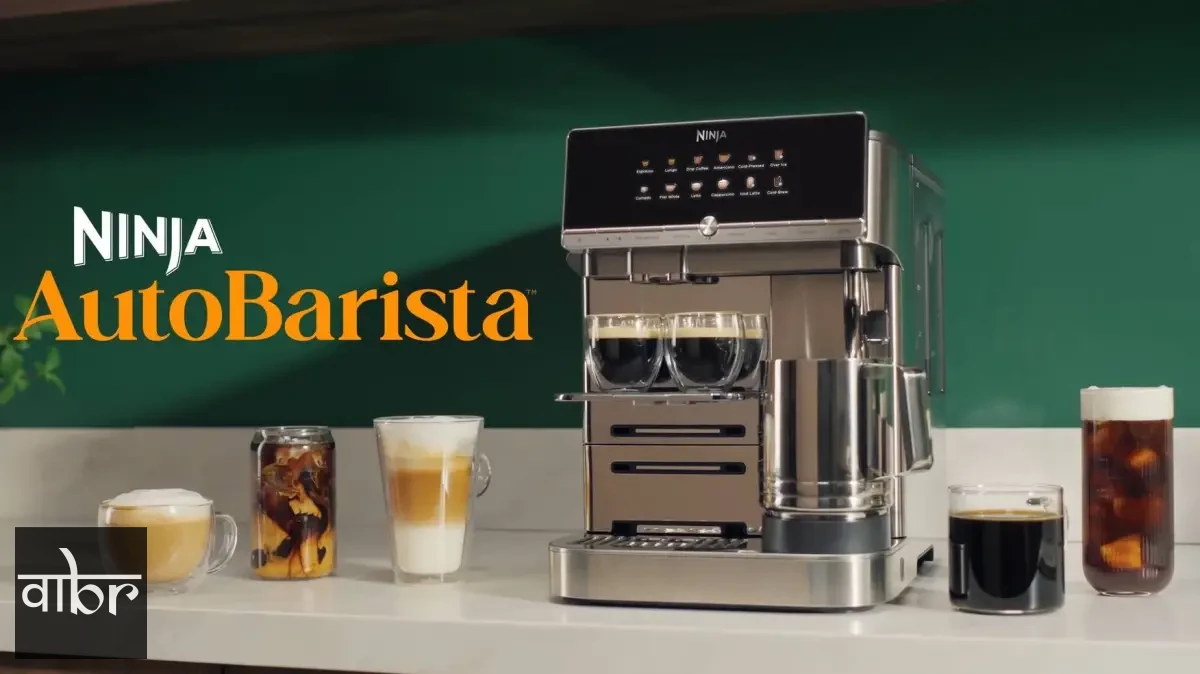
- Explore our in-depth Ninja AutoBarista review analyzing how Grind iQ technology transforms home coffee brewing despite one major dealbreaker.
- Ninja AutoBarista Review: Smart Innovation Meets a Crucial Flaw...
Ninja AutoBarista Review: Smart Innovation Meets a Crucial Flaw
The market for high-end home espresso hardware is undergoing a massive shift towards intelligence and automation. At the center of this movement is the new Ninja AutoBarista, an ambitious machine designed to bridge the gap between amateur coffee enthusiasts and professional coffee baristas. Powered by proprietary Grind iQ technology, the unit promises to eliminate the steep learning curve traditionally associated with pulling balanced espresso shots. However, despite its impressive versatility, real-world testing reveals that a single design oversight serves as a fatal flaw for serious coffee aficionados.
As home coffee culture explodes, devices like the Ninja AutoBarista represent the next frontier in smart home kitchen tech. By pairing sensor-driven feedback loops with versatile brewing modes, Ninja aims to redefine what consumers expect from a modern countertop coffee appliance. Yet, as our deep-dive analysis demonstrates, cutting-edge software features powered by Grind iQ technology cannot completely mask hardware compromises.
Deep Dive: Full Event Breakdown
The release of the Ninja AutoBarista marks the brand's boldest entry yet into the competitive premium coffee market. Designed as a comprehensive automated barista system, the machine combines a high-pressure pump, dynamic temperature control, and a built-in grinder into a sleek aesthetic frame. The flagship feature powering this experience is Ninja’s Grind iQ technology, an algorithmic system engineered to measure bean density, roast level, and moisture indicators before customizing grind size and water volume.
When setting up the Ninja AutoBarista, users are greeted with an intuitive interface that guides them through bean selection. The Grind iQ technology analyzes the coffee beans during the initial grinding phase, adjusting particle distribution to optimize the espresso extraction process. In practice, this automation saves time for casual drinkers who normally struggle with dialing in espresso ratios manually. The Ninja AutoBarista effortlessly switches between single origin light roasts and dark espresso blends without requiring manual macro adjustments.
However, the machine's critical dealbreaker emerges in its grind retention and cleanup workflow. Despite the sophistication of Grind iQ technology, the machine relies on an integrated bean grinder assembly that traps excess coffee grounds between brewing cycles. For purists and daily users alike, this residual retention contaminates fresh doses, leading to inconsistent shot quality over time. While the Ninja AutoBarista handles drink versatility with ease—producing everything from cold brew to micro-foam lattes—this persistent retention issue undermines the precision that Grind iQ technology promises to deliver.
Industry Impact & Strategic Implications
The introduction of the Ninja AutoBarista highlights a growing divide within the modern consumer coffee tech sector. Tech-forward brands are increasingly prioritizing algorithmic convenience over pure mechanical repairability. By deploying Grind iQ technology, Ninja signals to competitors like De'Longhi and Breville that smart automation is the primary key to capturing mainstream market share.
At the same time, the Ninja AutoBarista demonstrates how high-end smart features can create friction when matched with middle-tier hardware engineering. Consumers willing to purchase a Ninja AutoBarista expect flawless execution across both hardware and software. When Grind iQ technology offers precise extraction parameters, but physical grinder retention skews the actual yield, user trust in automated systems breaks down. Industry analysts note that future iterations of the Ninja AutoBarista must reconcile this tension between software intelligence and mechanical precision.
Technical / Market Analysis
From an architectural perspective, Grind iQ technology represents a notable step forward for mid-range brewing hardware. Traditional espresso machines require manual adjustments of micro-clicks on a burr grinder. By contrast, the machine uses optical and resistance sensors to continuously assess bean characteristics. This data stream allows Grind iQ technology to calculate recommended shot times and pressure curves dynamically.
Despite these advanced metrics, practical evaluation of the Ninja AutoBarista reveals a clear bottleneck. The integrated bean grinder features a plastic-housed chute where static charge causes ground coffee to cling. Consequently, when Grind iQ technology calculates a targeted dosage, up to 1.5 grams of stale grounds from the previous brew can enter the portafilter. This variance disrupts the ideal espresso extraction process, causing channel channeling and bitter off-flavors that clash with the claims made by the product's marketing.
What This Means for Consumers and Developers
For everyday consumers, the Ninja AutoBarista offers a compelling feature set that dramatically simplifies daily coffee rituals. If convenience and drink variety rank higher than absolute shot precision, the machine remains an attractive option. The inclusion of Grind iQ technology makes it easier than ever for beginners to step into the world of specialty coffee without spending months learning manual barista techniques.
However, software developers and hardware engineers building the next generation of smart home kitchen tech should take note of the Ninja AutoBarista. Brilliant algorithmic design like Grind iQ technology cannot compensate for physical maintenance hurdles or mechanical retention issues. Developers crafting automated barista system interfaces must ensure that hardware mechanics seamlessly support software calculations. For discerning buyers evaluating the machine, understanding this tradeoff between automated smarts and hardware design is vital before buying into the premium coffee market.
Key Takeaways
Algorithmic Innovation : The Ninja AutoBarista introduces sensor-driven brewing powered by Grind iQ technology to streamline daily espresso preparation. Versatile Functionality : As a complete countertop coffee appliance, the machine easily creates multiple beverage styles from espresso to cold brew. The Dealbreaker : Ground retention within the integrated bean grinder leads to stale residual coffee mixing into fresh shots, undercutting precision. Market Position : The product showcases how consumer coffee tech is shifting toward automated convenience, though purists may still prefer manual controls for dialing in espresso.
The Road Ahead
As the smart appliance landscape matures, devices like this will set the benchmark for hybrid automated brewing systems. Ninja has already demonstrated how Grind iQ technology can democratize complex barista operations for everyday users. Moving forward, refine-focused updates to hardware—specifically addressing grinder retention and cleaning accessibility—could solidify its standing as a top contender in the market. For now, the Ninja AutoBarista stands as an impressive yet imperfect testament to the potential of Grind iQ technology in modern kitchens.
📌 Related Briefings & Stories
Assassin's Creed Hexe Delayed As Massive Ubisoft Pipeline Leaks Emerge Cairn Game Bakers Interview: A Grand Adventure in Survival Zelda Ocarina of Time Dominates Skyrim in This Major Industry Metric
Varta Brief Team
· Newsroom DeskReported, verified, and published by the Varta Brief editorial desk with an uncompromising commitment to primary-source verification and independent journalism.
Related Dispatches
More in Technology →
Amazon Decart Acquisition Signals Bold Move to Challenge Nvidia AI Dominance
Amazon buys Decart for $7.5B to optimize Trainium silicon and reshuffle the Nvidia AI chip race across enterprise cloud computing infrastructure.

Nvidia Board Governance Tested as Jensen Huang Discloses Additional Affairs
A detailed investigation into how revelations around Jensen Huang leadership impact corporate stability, chip markets, and Nvidia's standing with investors.

GTA 6 Sets Historic Record as the Biggest Launch in PlayStation History
Discover how GTA 6 became the biggest launch in PlayStation history, shattering records and reshaping the modern gaming landscape with unprecedented sales.