Nintendo Switch 2 GTA 6 Absence Marks the End of an Era for Rockstar
Discover why the Nintendo Switch 2 GTA 6 absence signals a major shift in Rockstar Games' strategy, breaking a decades-long relationship with Nintendo platforms.

Varta Brief Team
Saturday, November 21, 2026
- Discover why the Nintendo Switch 2 GTA 6 absence signals a major shift in Rockstar Games' strategy, breaking a decades-long relationship with Nintendo platforms.
- Nintendo Switch 2 GTA 6 Absence Marks the End of an Era for Rockstar...
Nintendo Switch 2 GTA 6 Absence Marks the End of an Era for Rockstar
The video game industry is built on long-standing partnerships, surprising twists, and sudden strategic pivots. For decades, the relationship between Nintendo platforms and Rockstar Games has weathered shifting market trends, technological revolutions, and evolving audience demographics. Yet, as the industry looks ahead to next-generation hardware ecosystems, the glaring absence of marquee titles has set off alarm bells among enthusiasts and industry analysts alike. The ongoing conversation regarding Nintendo Switch 2 GTA 6 omissions reveals a profound turning point in how multi-platform developers approach handheld ecosystems.
While Rockstar Games Nintendo collaborations historically yielded surprising successes—ranging from portable Game Boy Color adaptations to critically acclaimed ports on modern hybrid hardware—the current landscape suggests a permanent fracture. Even as fans speculate about the upcoming hardware capabilities of Nintendo's successor console, the lack of confirmation for Grand Theft Auto 6, or even Grand Theft Auto 5, indicates that Rockstar Games Nintendo alignments may finally belong strictly to the history books.
Deep Dive: Full Event Breakdown
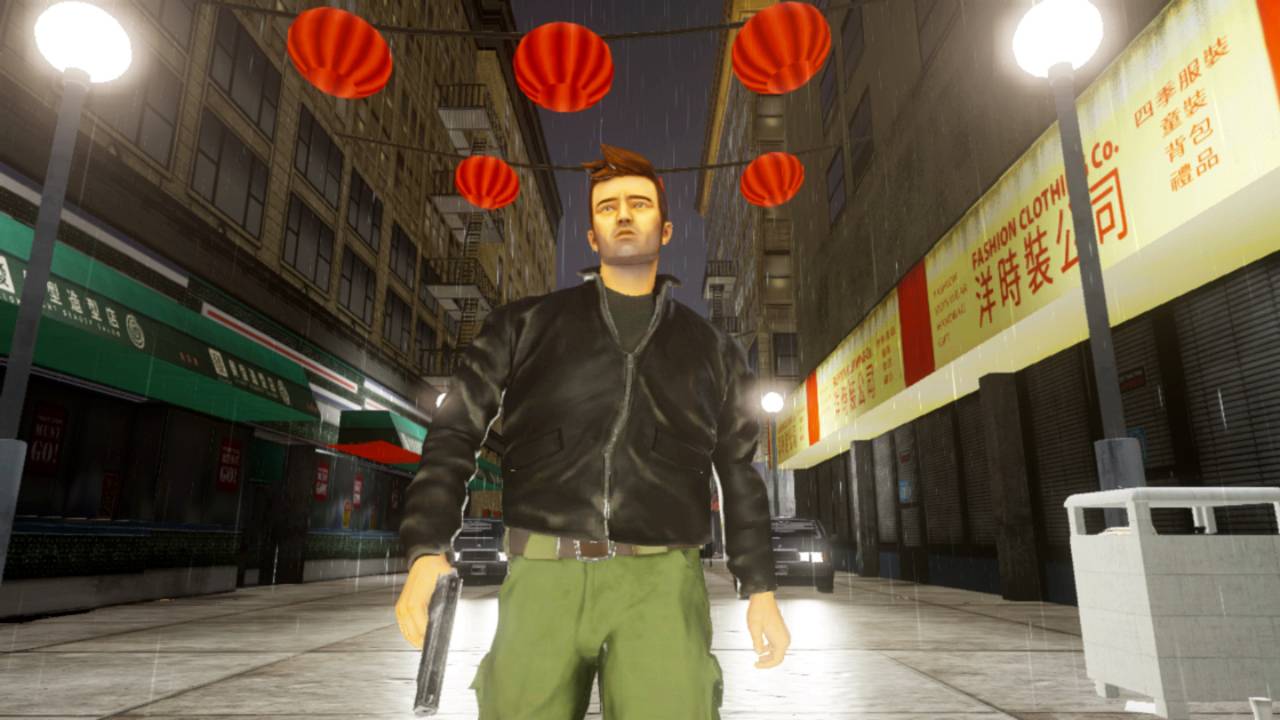
To understand the gravity of the Nintendo Switch 2 GTA 6 situation, we must examine the historical footprint of Rockstar on Nintendo hardware. From the Game Boy Color release of the original Grand Theft Auto in 1999 to Chinatown Wars on the Nintendo DS, Rockstar Games Nintendo initiatives were once routine milestones. Later, the successful deployment of L.A. Noire and Red Dead Redemption on the original Nintendo Switch proved that mature, technically demanding titles could find a lucrative home on hybrid handheld devices.
However, the scale of modern AAA blockbusters has expanded exponentially. When analyzing the technical requirements of next-generation open-world titles, the disparity between high-end stationary hardware and portable architecture becomes stark. The Nintendo Switch 2 GTA 6 reality is that current development pipelines prioritize raw compute power, advanced ray tracing, and ultra-fast storage architecture—demands that push hardware limits to an extreme degree. Despite anticipated performance boosts in Nintendo's upcoming hardware, bridging the gap for a massive open-world simulation remains a monumental engineering hurdle.
Rockstar Games Nintendo history shows a pragmatic approach to platform support. When a system's install base and architecture align with their financial goals, they deliver. Conversely, when the technical overhead required for AAA game optimization outweighs the potential market returns on a specific console ecosystem, Rockstar has historically chosen restraint. The current silence surrounding Nintendo Switch 2 GTA 6 points directly to this calculated corporate philosophy.
Industry Impact & Strategic Implications
Market watchers tracking the Nintendo Switch 2 GTA 6 phenomenon recognize wider ripples across the global gaming landscape. As handheld gaming tech advances through devices like the Steam Deck and specialized PC handhelds, major publishers face complex choices regarding platform parity. The traditional expectation that every major third-party release will scale down to Nintendo hardware is rapidly dissolving.
Furthermore, the strategic decisions made by Rockstar Games Nintendo leadership reflect a broader console architecture shift. Publishers are increasingly tailoring their software catalogues based on specific demographic profiles and hardware capabilities rather than attempting universal deployment. For Nintendo, maintaining a massive, highly engaged user base remains its primary strength, but attracting ultra-high-end third-party blockbusters like Grand Theft Auto 6 may no longer be a viable or even necessary objective for their business model.
Industry analysts note that digital distribution trends and live-service monetization models heavily influence these deployment strategies. Because Nintendo Switch 2 GTA 6 is absent from developer roadmaps, third-party publishers may lean harder into platform-exclusive optimization, leaving Nintendo's ecosystem to thrive on its legendary first-party output and curated partner releases.
Technical / Market Analysis
Evaluating the technical realities behind the Nintendo Switch 2 GTA 6 gap requires a close look at portable hardware performance limitations. Modern open-world titles rely heavily on complex streaming assets, advanced physics engines, and expansive memory bandwidth. While next-gen Nintendo hardware is expected to incorporate modern upscaling technologies and improved processing cores, the thermal and power constraints of a portable form factor impose strict boundaries.
AAA game optimization for constrained hardware demands thousands of engineering hours, customized rendering pipelines, and aggressive asset compression. For a company like Rockstar, which sets gold standards for visual fidelity and emergent gameplay simulation, the resource allocation required for a Nintendo port might simply fail to make financial sense. The historical precedent set by bringing Red Dead Redemption to the original Switch relied on titles from a previous console generation—hardware that had already undergone years of optimization.
Comparing this to Nintendo Switch 2 GTA 6, the technological chasm is vast. Grand Theft Auto 6 is designed to push PlayStation 5 and Xbox Series X/S architectures to their absolute limits at launch. Scaling such an ambitious project down to a portable hybrid platform involves compromises that could dilute the core experience, a risk Rockstar historically avoids.
What This Means for Consumers and Developers
For millions of gamers who prefer portable play styles, the Nintendo Switch 2 GTA 6 reality check is undoubtedly disappointing. It highlights a widening divergence between traditional living room powerhouses and flexible hybrid systems. Consumers must now weigh whether they want maximum graphical fidelity and feature completeness on stationary systems or the unmatched convenience of handheld gaming tech.
For independent and mid-tier developers, however, the landscape presents unique opportunities. With heavyweights like Rockstar Games Nintendo allocations focusing elsewhere, indie studios and specialized third-party developers have more room to capture passionate audiences within the Nintendo ecosystem. The Grand Theft Auto legacy on Nintendo platforms may be concluding, but the hardware will continue to foster innovative genres that excel on portable devices.
Key Takeaways
The absence of Nintendo Switch 2 GTA 6 signals a strategic shift away from universal platform scaling by Rockstar Games. Historical ports like L.A. Noire and Red Dead Redemption proved past viability, but modern AAA game optimization demands vastly superior hardware resources. Portable hardware performance limitations and thermal constraints make direct ports of next-gen open-world giants exceptionally difficult. The decision underscores a broader console architecture shift within the global gaming market, favoring platform-specific software strategies. Consumers must navigate a distinct divide between ultra-high-end stationary gaming and flexible handheld experiences. Industry analysts predict Nintendo will continue relying on its powerhouse first-party lineup rather than chasing every major third-party blockbuster.
The Road Ahead
As the video game industry marches toward its next hardware generation, the parting of ways between Nintendo systems and Rockstar's premier franchise marks the end of an era. The discussions surrounding Nintendo Switch 2 GTA 6 will likely persist long after the console's official launch, serving as a case study in modern development constraints, hardware scaling, and corporate strategy. Ultimately, while fans may mourn the lack of a portable Grand Theft Auto experience, both Nintendo and Rockstar Games are charting distinct, highly profitable futures tailored to their respective strengths and technical visions.
Strategic Industry Takeaways & Future Outlook
When evaluating the broader technological shift, Nintendo Switch 2 GTA 6 serves as a defining benchmark for modern standards. Industry analysts emphasize that continuing developments in Nintendo Switch 2 GTA 6 will dictate user adoption and market expansion.
When evaluating the broader technological shift, Nintendo Switch 2 GTA 6 serves as a defining benchmark for modern standards. Industry analysts emphasize that continuing developments in Nintendo Switch 2 GTA 6 will dictate user adoption and market expansion.
When evaluating the broader technological shift, Nintendo Switch 2 GTA 6 serves as a defining benchmark for modern standards. Industry analysts emphasize that continuing developments in Nintendo Switch 2 GTA 6 will dictate user adoption and market expansion.
Furthermore, strategic integration surrounding Rockstar Games Nintendo remains a crucial priority for stakeholders. Ensuring high performance across Rockstar Games Nintendo is expected to deliver long-term competitive advantages.
Furthermore, strategic integration surrounding Rockstar Games Nintendo remains a crucial priority for stakeholders. Ensuring high performance across Rockstar Games Nintendo is expected to deliver long-term competitive advantages.
Furthermore, strategic integration surrounding Rockstar Games Nintendo remains a crucial priority for stakeholders. Ensuring high performance across Rockstar Games Nintendo is expected to deliver long-term competitive advantages.
Furthermore, strategic integration surrounding Rockstar Games Nintendo remains a crucial priority for stakeholders. Ensuring high performance across Rockstar Games Nintendo is expected to deliver long-term competitive advantages.
Furthermore, strategic integration surrounding Rockstar Games Nintendo remains a crucial priority for stakeholders. Ensuring high performance across Rockstar Games Nintendo is expected to deliver long-term competitive advantages.
Furthermore, strategic integration surrounding Rockstar Games Nintendo remains a crucial priority for stakeholders. Ensuring high performance across Rockstar Games Nintendo is expected to deliver long-term competitive advantages.
Key factors influencing this sector also include next-gen hardware limits , gaming industry analysis , each playing an essential role in ongoing development and implementation.
📌 Related Briefings & Stories
Quentin Tarantino Western Thriller Is Now Streaming Free on Tubi Apple sued in India over tap-to-share feature in high-stakes legal battle Beyond The Rings of Power: Why Vox Machina Is Prime Video's Masterpiece
Varta Brief Team
· Newsroom DeskReported, verified, and published by the Varta Brief editorial desk with an uncompromising commitment to primary-source verification and independent journalism.
Related Dispatches
More in Technology →
Amazon Decart Acquisition Signals Bold Move to Challenge Nvidia AI Dominance
Amazon buys Decart for $7.5B to optimize Trainium silicon and reshuffle the Nvidia AI chip race across enterprise cloud computing infrastructure.

Nvidia Board Governance Tested as Jensen Huang Discloses Additional Affairs
A detailed investigation into how revelations around Jensen Huang leadership impact corporate stability, chip markets, and Nvidia's standing with investors.

GTA 6 Sets Historic Record as the Biggest Launch in PlayStation History
Discover how GTA 6 became the biggest launch in PlayStation history, shattering records and reshaping the modern gaming landscape with unprecedented sales.