Snap Restructures Its $2,200 Smart Glasses Strategy
Snap unveils new AI features, enterprise tools, and media integrations for its $2,200 smart glasses in a fresh bid to prove their real-world value.

Varta Brief Team
Thursday, September 17, 2026
- Snap unveils new AI features, enterprise tools, and media integrations for its $2,200 smart glasses in a fresh bid to prove their real-world value.
- When Snap initially introduced its high-end smart glasses, Specs, earlier this year, the market response proved remarkably harsh. Carrying a staggering price tag of $2,200 and boas...
When Snap initially introduced its high-end smart glasses, Specs, earlier this year, the market response proved remarkably harsh. Carrying a staggering price tag of $2,200 and boasting a bulky aesthetic reminiscent of specialized scuba gear, the device drew widespread ridicule online. Critics openly questioned the hardware's viability, and the company’s stock suffered an immediate nosedive following the rollout.
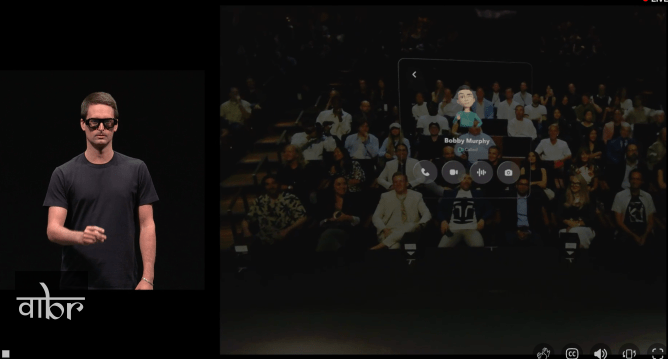
Since that rocky debut, leadership at Snap has searched for a compelling narrative to justify a heavy, expensive hardware platform aimed primarily beyond casual consumers. This week in Los Angeles, CEO Evan Spiegel and his executive team took the stage to change that narrative. They revealed a comprehensive suite of software upgrades, media partnerships, and enterprise solutions designed to integrate the glasses into a much broader ecosystem of digital workflows.
Snap executives demonstrated fresh entertainment options, including native connectivity with major streaming platforms like HBO Max and Spotify. These additions establish a baseline of interactive utility that previous generations of smart glasses largely lacked. However, the hardware shift points toward productivity and professional tools rather than simple media consumption.
Introducing Specs Intelligence and Anticipatory AI
The cornerstone of Snap's latest announcement is Specs Intelligence, an 'anticipatory AI' framework built to sync seamlessly with both the glasses and external user devices like iPhones and Macs. Snap positions this architecture as an AI-native operating system designed to build deep contextual awareness of user projects, routines, and goals.
Spiegel described the system as a bridge across Lenses—Snap’s proprietary augmented reality effects available on both phones and Specs. Rather than forcing users into isolated virtual environments, the technology aims to streamline daily tasks while keeping users anchored in the physical world. This approach aligns closely with advancements seen across Next-Gen AI Hardware Shifts: Enterprise Impact & Outlook , where hardware manufacturers increasingly prioritize practical, task-oriented artificial intelligence over mere novelty.
Feature Platform Support Primary Objective Specs Intelligence Specs, iOS, macOS Contextual AI productivity and task management Specs for Enterprise Corporate IT Frameworks Hardware deployment, security, and remote technical support Cellular Connectivity Standalone Cellular Case On-the-go wireless access via Verizon partnership
Targeting Corporate Workflows with Enterprise Solutions
To move past the stigma of an overpriced consumer gadget, Snap introduced Specs for Enterprise. This initiative targets industrial and corporate environments by partnering with tech giants like Amazon, Salesforce, and Nvidia.
During live demonstrations, the company showcased IT technicians utilizing the augmented reality overlay to repair complex hardware components in real-time. By building out robust mobile device management, stringent security controls, and cross-team deployment stacks, Snap hopes to secure a lucrative foothold in enterprise tech operations.
"We’re building out mobile device management, security controls, and ways to deploy and manage stacks across teams with the world’s most trusted providers, bringing peace of mind to IT departments." — Evan Spiegel, Snap CEO
Consumer Skepticism and the Road Ahead
Despite ambitious software integrations—including an interactive basketball training app developed with the NBA and WNBA—analysts remain cautious about mass consumer adoption. Wearing heavy facial hardware to practice free throws stretches the limits of practical consumer appeal. Furthermore, a new standalone cellular connectivity package, priced at $10 a month for Verizon subscribers and $20 for others, adds ongoing costs to an already expensive device.
Snap continues to frame Specs not as a casual accessory, but as a wearable computer capable of redefining human-computer interaction. The upcoming pop-up showcase in Los Angeles this October will provide the ultimate test for whether tech enthusiasts and early adopters are willing to embrace the vision.
Key Takeaways
High Cost Positioning: At $2,200, Snap continues to market Specs as a wearable computer rather than a simple consumer gadget. Specs Intelligence: A newly announced anticipatory AI system helps users manage projects across Macs, iPhones, and AR glasses. Enterprise Push: Strategic partnerships with Nvidia, Amazon, and Salesforce aim to position Specs as a viable tool for IT technicians and corporate workflows. Connectivity Add-On: Standalone cellular data packages are available through Verizon for $10 to $20 monthly to support untethered usage.
Ultimately, Snap is betting that deeper AI integration and robust enterprise utility can outweigh consumer sticker shock. As the tech sector navigates questions surrounding artificial intelligence and immersive hardware, the success of Specs will hinge on whether its real-world productivity gains can justify its considerable investment.
📌 Related Briefings & Stories
The European Union is going to force gaming companies to ... The iPhone 18 Pro’s big camera update is all about the sm... The Rise of Synthetic Data: Training Next-Gen AI Models
Varta Brief Team
· Newsroom DeskReported, verified, and published by the Varta Brief editorial desk with an uncompromising commitment to primary-source verification and independent journalism.
Related Dispatches
More in Technology →
Amazon Decart Acquisition Signals Bold Move to Challenge Nvidia AI Dominance
Amazon buys Decart for $7.5B to optimize Trainium silicon and reshuffle the Nvidia AI chip race across enterprise cloud computing infrastructure.

Nvidia Board Governance Tested as Jensen Huang Discloses Additional Affairs
A detailed investigation into how revelations around Jensen Huang leadership impact corporate stability, chip markets, and Nvidia's standing with investors.

GTA 6 Sets Historic Record as the Biggest Launch in PlayStation History
Discover how GTA 6 became the biggest launch in PlayStation history, shattering records and reshaping the modern gaming landscape with unprecedented sales.