SoftBank AI Natural Gas Loss Re-evaluates Data Center Power Limits
Discover how SoftBank AI natural gas turbine losses are transforming power markets, data center expansion, and future technological growth.

Varta Brief Team
Friday, November 13, 2026
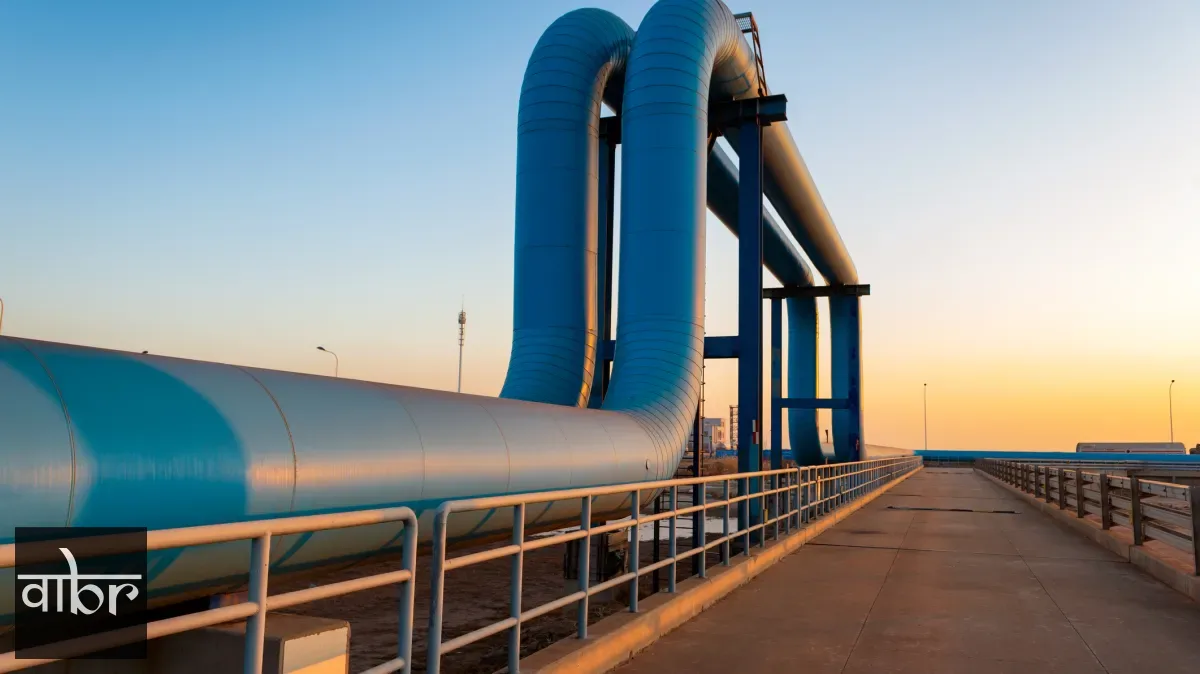
- Discover how SoftBank AI natural gas turbine losses are transforming power markets, data center expansion, and future technological growth.
- SoftBank AI Natural Gas Loss Re-evaluates Data Center Power Limits...
SoftBank AI Natural Gas Loss Re-evaluates Data Center Power Limits
The intersection of artificial intelligence and global energy infrastructure has officially hit a massive, multi-billion-dollar speed bump. In a stunning financial revelation that sent shockwaves through global markets, technology conglomerate SoftBank announced a staggering loss exceeding $3 billion tied directly to preordering heavy-duty natural gas turbines. These turbines were originally earmarked to fuel the explosive growth of upcoming data center power requirements necessary to sustain massive machine learning clusters. This monumental financial miscalculation by SoftBank AI natural gas planners highlights an increasingly precarious reality: the unbridled physical demands of the AI boom are violently colliding with the hard thermodynamic limits of legacy electrical grids and equipment supply chains.
For months, analysts have warned about the insatiable energy appetite of modern generative artificial intelligence infrastructure. However, SoftBank AI natural gas speculative purchases mark the first major concrete casualty of this supply-demand mismatch. As major technology firms race to secure every available kilowatt of data center power, aggressive preordering strategies have created artificial scarcity, highly volatile pricing, and ultimately, severe financial vulnerabilities when market dynamics shift or delivery timelines stall. This in-depth investigative report explores the cascading repercussions of this financial disaster, analyzing what the SoftBank AI natural gas fiasco means for future energy markets, technological expansion, and global grid stability.
Deep Dive: Full Event Breakdown
The genesis of this financial catastrophe lies in the frantic gold rush for proprietary computing capacity. Driven by the need to bypass traditional utility connection queues, SoftBank AI natural gas procurement teams embarked on an aggressive, unprecedented shopping spree. By locking down forward contracts for combustion turbines—the primary mechanical drivers for localized, off-grid power generation—the firm hoped to establish a definitive competitive moat. Securing reliable data center power independent of local municipal grids was viewed as an existential prerequisite for winning the artificial intelligence race.
However, the strategy unraveled due to a combination of shifting regulatory timelines, skyrocketing equipment carrying costs, and unexpected bottlenecks within the global turbomachinery market. As the macro environment shifted, the projected utilization rates for these preordered assets plummeted. When SoftBank attempted to unwind or adjust these speculative positions, the resulting market liquidations triggered massive writedowns. The total loss surpassing $3 billion serves as a stark warning to other enterprise players pursuing aggressive energy hedging. The SoftBank AI natural gas gamble proves that hoarding physical infrastructure without guaranteed operational timelines is a recipe for massive corporate devaluation.
Industry Impact & Strategic Implications
The fallout from this billion-dollar blunder extends far beyond SoftBank's balance sheets, fundamentally altering how boardrooms evaluate data center power procurement. For years, executive leadership teams treated energy acquisition as a secondary concern, assuming regional utilities would easily accommodate expanding server farms. The reality of modern grid capacity paints a vastly different picture. With traditional transmission lines facing years-long backlogs, technology companies increasingly turned to localized fossil fuel solutions.
Yet, the SoftBank AI natural gas debacle has effectively placed a psychological and financial ceiling on this trend. Investors are now aggressively questioning the wisdom of sinking billions into carbon-heavy generation assets just as global climate mandates tighten. The strategic implications force a pivot toward more flexible, modular, and sustainable energy sourcing. Rather than placing multi-billion-dollar bets on heavy combustion engines, future artificial intelligence infrastructure initiatives will likely prioritize hybrid models, deep efficiency gains, and direct partnerships with renewable energy producers.
Technical / Market Analysis
From a market mechanics perspective, the specialized turbomachinery market was uniquely unprepared for the sudden influx of tech-sector capital. Traditionally, gas turbines are ordered years in advance by regulated utilities with stable, predictable demand curves. When speculative capital fueled by the artificial intelligence boom entered the ecosystem, it distorted price signals and strained manufacturing supply chains.
Furthermore, the technical realities of running heavy gas turbines exclusively for data center power introduce complex engineering challenges. Unlike traditional peaking plants that ramp up and down based on shifting residential demand, artificial intelligence workloads require steady, high-capacity baseload power. Using combustion turbines for continuous, 24/7 high-density computing exposes operators to severe fuel price volatility and carbon tax liabilities. The SoftBank AI natural gas episode underscores the fundamental mismatch between legacy power generation tech and the hyper-fast, dynamic requirements of modern hyperscale computing.
What This Means for Consumers and Developers
For everyday software developers, cloud architects, and end consumers, this market correction has tangible consequences. First, the hyper-inflationary pressure on localized generation equipment may ease, potentially stabilizing the overall cost of data center power expansion. However, hyperscalers will likely pass down the costs of more disciplined, risk-managed energy procurement strategies to enterprise clients, leading to subtle increases in cloud computing pricing.
Developers building next-generation machine learning models must now contend with a more rationalized, cautious approach to data center power availability. The era of limitless, unconstrained energy preordering is over. Going forward, application builders will face stricter resource caps, encouraging the development of more efficient algorithms and optimized model architectures that respect real-world energy constraints rather than ignoring them.
Key Takeaways
Financial Reality Check: SoftBank's loss of over $3 billion on preordered turbines marks a watershed moment of financial sobering within the artificial intelligence sector. Grid Strain vs. Tech Ambition: The physical limits of modern data center power availability are finally forcing a realistic reappraisal of aggressive expansion plans. Turbomachinery Volatility: Speculative buying in the industrial equipment market has proven dangerously unpredictable and financially punishing. Strategic Shifts: Enterprise leaders are moving away from speculative fossil fuel hoarding toward more diversified, sustainable energy portfolios.
The Road Ahead
Ultimately, the SoftBank AI natural gas debacle should not be viewed as the death knell for technological innovation, but rather as a necessary maturation phase. The artificial intelligence industry is transitioning from an era of unbridled, speculative expansion into a period of calculated, sustainable engineering. As regulatory scrutiny increases and energy markets adapt to the demands of modern computing, stakeholders across the board must balance raw computational ambition with the immutable laws of thermodynamic efficiency and financial prudence.
Strategic Industry Takeaways & Future Outlook
When evaluating the broader technological shift, SoftBank AI natural gas serves as a defining benchmark for modern standards. Industry analysts emphasize that continuing developments in SoftBank AI natural gas will dictate user adoption and market expansion.
When evaluating the broader technological shift, SoftBank AI natural gas serves as a defining benchmark for modern standards. Industry analysts emphasize that continuing developments in SoftBank AI natural gas will dictate user adoption and market expansion.
When evaluating the broader technological shift, SoftBank AI natural gas serves as a defining benchmark for modern standards. Industry analysts emphasize that continuing developments in SoftBank AI natural gas will dictate user adoption and market expansion.
Furthermore, strategic integration surrounding data center power remains a crucial priority for stakeholders. Ensuring high performance across data center power is expected to deliver long-term competitive advantages.
Furthermore, strategic integration surrounding data center power remains a crucial priority for stakeholders. Ensuring high performance across data center power is expected to deliver long-term competitive advantages.
Furthermore, strategic integration surrounding data center power remains a crucial priority for stakeholders. Ensuring high performance across data center power is expected to deliver long-term competitive advantages.
Key factors influencing this sector also include fossil fuel transition , big tech investments , power grid constraints , clean energy integration , each playing an essential role in ongoing development and implementation.
📌 Related Briefings & Stories
United Airlines Blocks AI Agents Amid Rising Cybersecurity Risks Hugging Face CEO Defends Open Source AI After Jensen Huang Exit Jensen Huang's Exit and Nvidia Open Source AI Strategy Uncertainty
Varta Brief Team
· Newsroom DeskReported, verified, and published by the Varta Brief editorial desk with an uncompromising commitment to primary-source verification and independent journalism.
Related Dispatches
More in Technology →
Amazon Decart Acquisition Signals Bold Move to Challenge Nvidia AI Dominance
Amazon buys Decart for $7.5B to optimize Trainium silicon and reshuffle the Nvidia AI chip race across enterprise cloud computing infrastructure.

Nvidia Board Governance Tested as Jensen Huang Discloses Additional Affairs
A detailed investigation into how revelations around Jensen Huang leadership impact corporate stability, chip markets, and Nvidia's standing with investors.

GTA 6 Sets Historic Record as the Biggest Launch in PlayStation History
Discover how GTA 6 became the biggest launch in PlayStation history, shattering records and reshaping the modern gaming landscape with unprecedented sales.