Tekken Creator Slams Xbox Series S: Why Low-End Consoles Hurt Game Dev
Tekken creator Katsuhiro Harada openly criticizes the Xbox Series S, highlighting how entry-level hardware creates major development bottlenecks.

Varta Brief Team
Friday, November 20, 2026
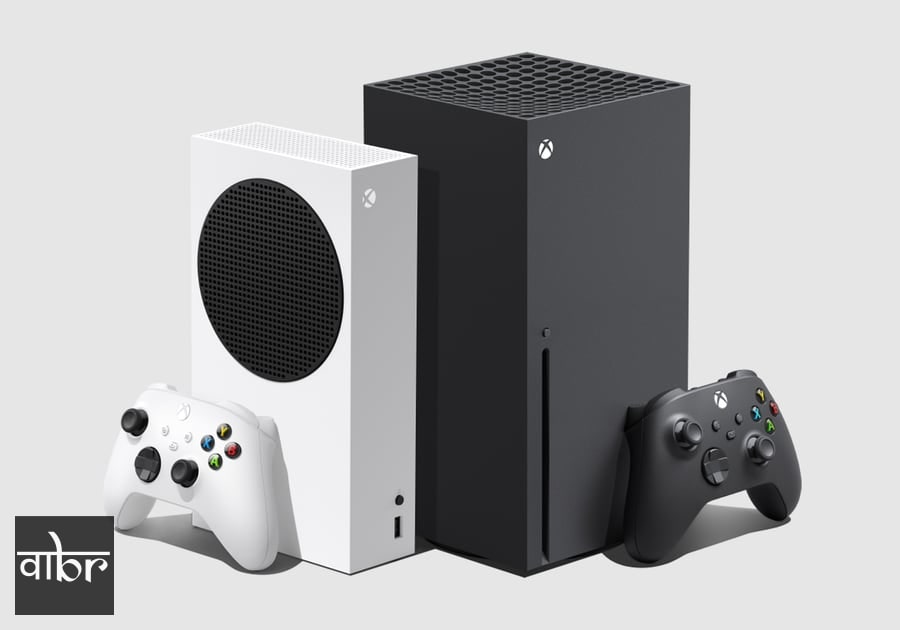
- Tekken creator Katsuhiro Harada openly criticizes the Xbox Series S, highlighting how entry-level hardware creates major development bottlenecks.
- Tekken Creator Slams Xbox Series S: Why Low-End Consoles Hurt Game Dev...
Tekken Creator Slams Xbox Series S: Why Low-End Consoles Hurt Game Dev
In the ever-evolving landscape of video game development, hardware constraints have historically served as both a creative catalyst and a frustrating roadblock. Recently, the debate surrounding entry-level gaming devices reached a boiling point when legendary industry veteran Katsuhiro Harada publicly voiced his candid frustrations. As a prominent voice and former general manager at Bandai Namco, Katsuhiro Harada did not mince words when discussing the commercial realities of the current hardware generation. Specifically, Katsuhiro Harada targeted Microsoft’s budget-friendly entry, stating on a public panel that he wishes hardware like the Xbox Series S simply wouldn't be released. This provocative statement has reignited intense industry-wide discussions regarding the viability of dual-console strategies, highlighting the friction that occurs when developers are forced to scale down ambitious visions to accommodate lower-tier systems.
To fully appreciate the weight of Katsuhiro Harada remarks, one must understand the unique pressures facing modern studios. While players often celebrate affordable hardware entry points, creators navigating next-gen console development face daunting hurdles. The Xbox Series S was designed to offer an affordable gateway into current-generation gaming, boasting a lower price tag than its flagship sibling, the Xbox Series X. However, this accessibility comes at a technical cost. Because Microsoft mandates feature parity between the two systems for multiplayer titles and major releases, the Xbox Series S frequently acts as the lowest common denominator. For veterans like Katsuhiro Harada, these stringent requirements introduce unnecessary friction into creative workflows, forcing engineers to divert precious time and resources toward extensive optimization rather than pure innovation.
Deep Dive: Full Event Breakdown
The controversy unfolded during a high-profile industry panel featuring prominent project leaders and creative directors discussing the future of interactive entertainment. Katsuhiro Harada, widely celebrated for his decades of stewardship over the iconic Tekken franchise, was asked about the logistical challenges of modern game creation. Rather than offering a diplomatic, corporate-sanctioned response, Katsuhiro Harada leaned into his reputation for radical honesty. He explained that while consumer choice is theoretically a positive force, the reality of developing for fragmented hardware tiers creates severe gaming hardware bottlenecks.
Elaborating on his viewpoint, Katsuhiro Harada pointed out that the existence of the Xbox Series S divides development focus. Studios must build games that scale drastically across different performance ceilings. For a fighting game creator like Katsuhiro Harada, precision, frame-rate stability, and visual fidelity are paramount. When working on complex fighting game development projects, developers rely on robust memory bandwidth and raw processing power to deliver seamless experiences. Katsuhiro Harada noted that accommodating the limited memory architecture of the Xbox Series S requires complex workarounds, diverting engineering talent away from gameplay polish and technical breakthroughs. By pulling back the curtain, Katsuhiro Harada exposed a frustration that many developers whisper about behind closed doors but rarely articulate with such blunt transparency on a public stage.
Industry Impact & Strategic Implications
The ripple effects of Katsuhiro Harada critique extend far beyond Bandai Namco's internal offices. Microsoft’s overarching Microsoft gaming strategy has always centered on ecosystem expansion, bringing Xbox Game Pass and digital entertainment to as many screens and budgets as possible. The Xbox Series S was engineered specifically to capture budget-conscious consumers who might otherwise bypass the current generation altogether. However, this philosophy directly clashes with the artistic ambitions of creators striving for cutting-edge visual experiences.
When industry titans like Katsuhiro Harada openly criticize the Xbox Series S, it validates the concerns of numerous independent and AAA studios alike. Over the past few years, various developers have cited the Xbox Series S as the primary reason for delayed ports, stripped-back graphical modes, or omitted features. The console parity requirements imposed by platform holders mean that a game cannot launch on the Xbox ecosystem unless it functions acceptably on both the Xbox Series X and the Xbox Series S. Consequently, the lower-end system dictates the ceiling of what is technically achievable for multiplatform releases unless developers invest heavily in bespoke optimization passes.
Technical / Market Analysis
From a purely technical standpoint, the disparity between the hardware specifications of contemporary machines is stark. While the Xbox Series X targets native 4K gaming with a robust 16GB of GDDR6 RAM, the Xbox Series S is built for 1440p gaming and features only 10GB of shared memory with a significantly narrower memory bandwidth. This memory limitation has proven to be the most stubborn stumbling block for game optimization challenges, particularly for open-world titles and graphically dense experiences requiring massive asset streaming.
Market analysts note that the Xbox Series S has undeniably been a commercial success for Microsoft, driving substantial hardware adoption in price-sensitive markets such as developing regions and among casual gamers. Yet, from a developer perspective highlighted by Katsuhiro Harada, the machine introduces an asymmetric tax on productivity. Studios must weigh the commercial upside of reaching Xbox Series S owners against the exponential engineering costs required to scale down high-end visual fidelity. For smaller teams, this burden can be debilitating, forcing difficult compromises on asset density, physics simulations, and rendering pipelines.
What This Means for Consumers and Developers
For the everyday gamer, the debate surrounding the Xbox Series S presents a complex dilemma. On one hand, the console offers an affordable ticket to next-generation gaming, ensuring that high-end interactive entertainment remains accessible during times of economic uncertainty. Without the Xbox Series S, many players might have been priced out of the current console cycle entirely.
On the other hand, consumer expectations must be managed. When creators like Katsuhiro Harada push for high-end visual fidelity, players naturally expect jaw-dropping graphics and revolutionary mechanics. However, hardware parity mandates mean that the technical ambitions of developers are frequently reined in to ensure stability on the Xbox Series S. Developers are forced to spend critical months trimming assets, reducing crowd densities, and simplifying lighting engines—efforts that ultimately detract from the overall potential of current-gen gaming tech.
Key Takeaways (Detailed bullet points)
Developer Frustration: Katsuhiro Harada’s public critique underscores deep-seated frustrations within the development community regarding low-end hardware tiers. Parity Mandates: Microsoft's strict requirement for feature parity between the Xbox Series X and the Xbox Series S creates significant engineering roadblocks. Memory Bandwidth Bottlenecks: The limited 10GB memory architecture of the Xbox Series S presents ongoing game optimization challenges for asset streaming and high-end rendering. Commercial vs. Creative Conflict: While the Xbox Series S successfully drives hardware adoption and expands the Xbox ecosystem, it often restricts creative freedom and pushes back release timelines. Industry Validation: Harada's outspoken stance gives voice to numerous unnamed developers who have privately struggled with multiplatform scaling across vastly different machine specifications.
The Road Ahead (Forward-looking conclusion)
As the current console generation matures, the hardware debate sparked by Katsuhiro Harada will only intensify. Developers are continuously finding smarter, more efficient ways to handle asset streaming and software optimization, mitigating some of the initial growing pains associated with multi-tier hardware strategies. Yet, the fundamental tension between accessibility and uncompromising technical ambition remains unresolved.
Whether Microsoft will adjust its policies or if future hardware iterations will address these developer concerns is a question only time will answer. For now, the comments from industry veterans like Katsuhiro Harada serve as a crucial reminder that building the future of gaming requires a delicate balance between welcoming every consumer through the door and empowering creators to build without artificial chains. As studios look toward the horizon of next-gen console development, the lessons learned from the Xbox Series S era will undoubtedly shape how platform holders approach hardware design for years to come.
Strategic Industry Takeaways & Future Outlook
Furthermore, strategic integration surrounding Katsuhiro Harada remains a crucial priority for stakeholders. Ensuring high performance across Katsuhiro Harada is expected to deliver long-term competitive advantages.
Key factors influencing this sector also include Bandai Namco developer perspectives , each playing an essential role in ongoing development and implementation.
📌 Related Briefings & Stories
PlayStation 5 Crosses 100 Million Consoles Sold Milestone in Record Time Superhuman AI Assistant Transforms Workflow As Go Expands Everywhere Nimble Eco Friendly Luggage Tags Redefine Sustainable Tracking Gear
Varta Brief Team
· Newsroom DeskReported, verified, and published by the Varta Brief editorial desk with an uncompromising commitment to primary-source verification and independent journalism.
Related Dispatches
More in Technology →
Amazon Decart Acquisition Signals Bold Move to Challenge Nvidia AI Dominance
Amazon buys Decart for $7.5B to optimize Trainium silicon and reshuffle the Nvidia AI chip race across enterprise cloud computing infrastructure.

Nvidia Board Governance Tested as Jensen Huang Discloses Additional Affairs
A detailed investigation into how revelations around Jensen Huang leadership impact corporate stability, chip markets, and Nvidia's standing with investors.

GTA 6 Sets Historic Record as the Biggest Launch in PlayStation History
Discover how GTA 6 became the biggest launch in PlayStation history, shattering records and reshaping the modern gaming landscape with unprecedented sales.