The Tesla Cybertruck Experiment Is Officially Over: Market Shift Unveiled
Discover why the Tesla Cybertruck experiment is over, analyzing the electric vehicle market, futuristic design failures, and industry impact.

Varta Brief Team
Sunday, November 8, 2026
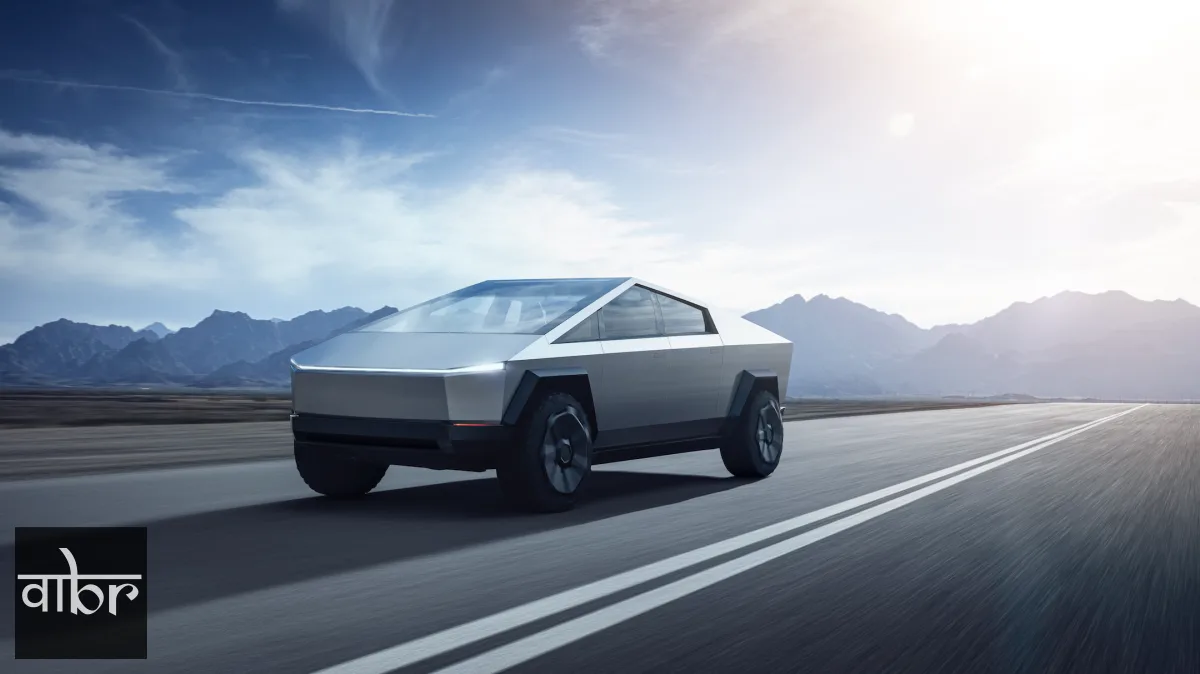
- Discover why the Tesla Cybertruck experiment is over, analyzing the electric vehicle market, futuristic design failures, and industry impact.
- The Tesla Cybertruck Experiment Is Officially Over: Market Shift Unveiled...
The Tesla Cybertruck Experiment Is Officially Over: Market Shift Unveiled
Welcome back to VartaBrief's comprehensive deep dive into the future of transportation, where we analyze the tectonic shifts reshaping global transit and advanced technology. For years, the conversation surrounding modern transport has been dominated by a single, angular, polarizing behemoth. Today, however, industry analysts and automotive insiders agree on a sobering reality: the tesla cybertruck experiment is over. What began as a bold, cyberpunk-inspired disruption has culminated in a profound strategic recalibration within the electric vehicle market, signaling the end of an era defined by high-risk, unconventional design choices.
As we dissect the rise and apparent fall of this iconic vehicle, we must evaluate how the broader electric vehicle market reacted to its audacious promises. The legacy of the tesla cybertruck extends far beyond its polarizing exterior shell. It serves as a monumental case study in modern vehicle manufacturing, consumer sentiment, and the limits of pushing avant-garde aesthetics into mainstream commercial production. In this exhaustive report, we explore the engineering roadblocks, market pressures, and strategic pivots that forced a complete reevaluation of the tesla cybertruck within the modern electric vehicle market.
Deep Dive: Full Event Breakdown
The narrative surrounding the tesla cybertruck began with explosive fanfare, promising an indestructible, utility-focused powerhouse that would redefine the pickup truck category. However, translating a futuristic polygon into a commercially viable product on assembly lines proved to be an uphill battle. The adoption of a cold-rolled stainless steel exoskeleton presented unprecedented engineering hurdles that cascaded throughout the entire vehicle manufacturing pipeline. Stamping, welding, and finishing an unpainted, ultra-hard alloy required entirely novel fabrication techniques, disrupting supply chain logistics and inflating production costs.
Furthermore, as units finally rolled out to early adopters, consumer sentiment began to shift from initial awe to practical scrutiny. Issues regarding aerodynamics, weight distribution, and pedestrian safety regulations in various global jurisdictions complicated its rollout. The tesla cybertruck was envisioned as a spearhead for future automotive disruption, yet its production complexity exposed the friction between sci-fi aesthetics and industrial reality. Analysts monitoring the electric vehicle market quickly noted that maintaining production momentum for such a niche-appeal vehicle was unsustainable amidst shifting macroeconomic conditions and intensifying competition from traditional and native EV manufacturers alike.
Industry Impact & Strategic Implications
The realization that the tesla cybertruck experiment is over carries profound implications for the entire automotive sector. Competitors who initially panicked over the prospect of a stainless-steel revolution are now breathing a sigh of relief, redirecting their capital toward more conventional, high-volume segments. The broader electric vehicle market is currently undergoing a painful maturation phase. Automakers are prioritizing reliability, cost-efficiency, and practical utility over shock value and polarizing visual statements.
Moreover, the fallout from the tesla cybertruck strategy touches upon crucial components of next-generation mobility. Integrating advanced autonomous driving suites and sophisticated battery technology into a structurally unconventional chassis proved more resource-intensive than anticipated. Industry leaders have learned valuable lessons about the dangers of over-engineering. The push for relentless automotive disruption must be balanced against manufacturing scalability and real-world consumer demands. Consequently, automotive executives across the globe are re-examining their product pipelines, ensuring that future releases align more closely with established EV adoption trends rather than speculative design exercises.
Technical / Market Analysis
From a technical standpoint, the tesla cybertruck challenged nearly every conventional paradigm of mass production. The decision to forgo traditional stamping presses in favor of laser-cutting and folding thick stainless steel panels created major bottlenecks. In any robust electric vehicle market, production velocity and margin optimization dictate long-term survival. The unique material profile of the tesla cybertruck hindered economies of scale, making it exceedingly difficult to achieve profitability at scale.
Simultaneously, shifting EV adoption trends show that consumers are increasingly focused on charging infrastructure reliability, range efficiency, and affordability. The heavy structural footprint required to support the massive battery technology demanded by the tesla cybertruck conflicted with the industry's overarching goal of maximizing aerodynamic efficiency and reducing energy consumption per mile. As market analysts look back at sales figures and production outputs, it becomes crystal clear that the electric vehicle market has little appetite for vehicles that prioritize form over functional ubiquity, ultimately sealing the fate of the tesla cybertruck program as an ambitious detour rather than a permanent destination.
What This Means for Consumers and Developers
For everyday consumers, the conclusion of the tesla cybertruck chapter marks a return to pragmatic purchasing behavior. Buyers within the electric vehicle market are demanding vehicles that seamlessly integrate into daily life, offering predictable maintenance, standardized repair processes, and dependable performance. The era of buying a vehicle purely for its shock value appears to be waning, replaced by a mature appreciation for engineering excellence and user-centric design.
For software developers and hardware engineers, the lessons learned from the tesla cybertruck experiment are invaluable. Developing advanced driver-assistance systems and user interfaces within a highly customized, non-standard cabin environment introduced unique software deployment hurdles. Moving forward, developers in the electric vehicle market will likely advocate for standardized modular platforms that allow for rapid iteration, seamless over-the-air updates, and universally compatible sensor suites. The focus has decisively shifted from experimental chassis design to refined software architecture and sustainable battery technology.
Key Takeaways (Detailed bullet points)
Strategic Realignment: The formal conclusion of the tesla cybertruck era signals a major pivot toward profitability and practical utility within the electric vehicle market. Manufacturing Realities: Working with a stainless steel exoskeleton exposed severe limitations in traditional vehicle manufacturing scalability and supply chain logistics. Consumer Shift: Shifting EV adoption trends highlight that modern buyers prioritize everyday functionality, range efficiency, and affordability over polarizing aesthetics. Engineering Lessons: The challenges faced by the tesla cybertruck underscore the dangers of over-engineering and prioritizing shock value over aerodynamic optimization. Future Outlook: Automakers across the globe are recalibrating their product roadmaps to focus on scalable battery technology and standardized autonomous driving hardware.
The Road Ahead (Forward-looking conclusion)
As the dust settles on this monumental chapter in automotive history, the broader electric vehicle market stands on the precipice of a more pragmatic, stable maturity. The acknowledgment that the tesla cybertruck experiment is over does not spell doom for innovation; rather, it clears the path for sustainable, scalable advancements in sustainable transport. By shedding the weight of hyper-experimental design, manufacturers can now channel their resources into refining battery technology, enhancing autonomous driving capabilities, and meeting the genuine needs of a discerning global consumer base. The future of mobility is electric, but as recent events have proven, it must be built on a foundation of sound engineering, economic viability, and enduring consumer trust.
Strategic Industry Takeaways & Future Outlook
Furthermore, strategic integration surrounding electric vehicle market remains a crucial priority for stakeholders. Ensuring high performance across electric vehicle market is expected to deliver long-term competitive advantages.
Furthermore, strategic integration surrounding electric vehicle market remains a crucial priority for stakeholders. Ensuring high performance across electric vehicle market is expected to deliver long-term competitive advantages.
Furthermore, strategic integration surrounding electric vehicle market remains a crucial priority for stakeholders. Ensuring high performance across electric vehicle market is expected to deliver long-term competitive advantages.
📌 Related Briefings & Stories
Ocarina of Time Remake Speedrunning Exploits The New Jumping Mechanic Why the Ocarina of Time Remake Will Get a GOTY Nomination But Lose Ninja AutoBarista Review: Powerful Smart Tech Meets a Dealbreaker Flaw
Varta Brief Team
· Newsroom DeskReported, verified, and published by the Varta Brief editorial desk with an uncompromising commitment to primary-source verification and independent journalism.
Related Dispatches
More in Technology →
Amazon Decart Acquisition Signals Bold Move to Challenge Nvidia AI Dominance
Amazon buys Decart for $7.5B to optimize Trainium silicon and reshuffle the Nvidia AI chip race across enterprise cloud computing infrastructure.

Nvidia Board Governance Tested as Jensen Huang Discloses Additional Affairs
A detailed investigation into how revelations around Jensen Huang leadership impact corporate stability, chip markets, and Nvidia's standing with investors.

GTA 6 Sets Historic Record as the Biggest Launch in PlayStation History
Discover how GTA 6 became the biggest launch in PlayStation history, shattering records and reshaping the modern gaming landscape with unprecedented sales.