Tidal AI music ban targets millions of tracks amid streaming pollution
Discover how Tidal AI music ban initiatives are sweeping away millions of synthetic tracks as streaming pollution threatens the future of digital audio platforms.

Varta Brief Team
Wednesday, November 25, 2026
- Discover how Tidal AI music ban initiatives are sweeping away millions of synthetic tracks as streaming pollution threatens the future of digital audio platforms.
- As the digital landscape evolves, digital audio platforms face an unprecedented crisis. The explosive rise of synthetic media has triggered an existential threat for music streamin...
As the digital landscape evolves, digital audio platforms face an unprecedented crisis. The explosive rise of synthetic media has triggered an existential threat for music streaming services worldwide. Leading the charge against this modern deluge, the newly announced Tidal AI music ban seeks to purge millions of synthetic tracks from its expansive library. This decisive action underscores a growing industry panic over streaming pollution, a phenomenon where low-quality, automated audio floods catalogs, threatening the financial livelihood of human artists and destabilizing established royalty payout pools. In this deep dive, we examine how the Tidal AI music ban is redefining content moderation and algorithmic curation across the global entertainment ecosystem.
Deep Dive: Full Event Breakdown
The modern era of generative audio has made producing complete songs as simple as typing a prompt. Consequently, bad actors and automated bot networks have weaponized artificial intelligence to flood distribution networks with millions of uninspired tracks. This relentless wave of streaming pollution has severely strained the technical infrastructure and content moderation systems of major digital audio platforms. The Tidal AI music ban represents a critical turning point in the industry's response to this digital onslaught. Under the new policy, music streaming services are drawing a sharp line in the sand: fully automated, machine-created compositions are being expunged en masse, while songs utilizing artificial intelligence strictly as an assistive tool remain permissible.
Industry insiders note that the implementation of the Tidal AI music ban is not merely an aesthetic choice; it is an economic necessity. Unchecked streaming pollution dilutes the value of genuine artistry and redirects vital revenue away from hardworking musicians. By executing the Tidal AI music ban, Tidal aims to restore systemic integrity to its catalog. Observers point out that while artificial intelligence can augment human creativity, unfettered streaming pollution threatens to overwhelm the very discovery mechanisms that users rely upon. The enforcement of the Tidal AI music ban requires sophisticated watermarking and audio fingerprinting technologies, setting a high standard for how digital audio platforms must police their archives against unauthorized or synthetic uploads.
Industry Impact & Strategic Implications
The ripple effects of the Tidal AI music ban extend far beyond a single streaming service. Across the board, music streaming services are re-evaluating their ingestion pipelines and terms of service to combat rampant streaming pollution. Major record labels and independent distributors alike have lobbied aggressively for stricter content moderation protocols. When a platform implements a rigorous policy like the Tidal AI music ban, it sends a powerful signal to aggregators who previously profited by distributing millions of low-effort, AI-generated soundscapes designed solely to game royalty algorithms.
Furthermore, the Tidal AI music ban forces a structural reckoning within algorithmic curation. Recommendation engines, historically trained on user listening habits, have struggled to filter out the noise created by streaming pollution. With the execution of the Tidal AI music ban, engineers can recalibrate recommendation weights to prioritize human emotion and genuine musicianship. Competitors in the music streaming services sector are closely monitoring Tidal's strategy, weighing the operational costs of aggressive content moderation against the long-term risk of alienating subscribers who are increasingly frustrated by synthetic clutter on digital audio platforms.
Technical / Market Analysis
Analyzing the economics of streaming pollution reveals a complex web of financial incentives. Automated uploaders leverage cheap generation tools to flood digital audio platforms with countless micro-tracks, capturing a fraction of a cent from shared royalty payout pools through bot-driven listening loops. The Tidal AI music ban systematically dismantles this predatory business model. From a technical perspective, enforcing the Tidal AI music ban requires advanced neural network classifiers capable of distinguishing between human-recorded instruments and pure generative audio artifacts.
Market analysts suggest that the ongoing battle against streaming pollution will accelerate investments in artificial intelligence detection software. As music streaming services adopt stringent measures akin to the Tidal AI music ban, developers of generative audio tools must pivot toward assistive workflows—such as mixing assistance and chord generation—rather than full song synthesis. This technological shift ensures that digital audio platforms remain hubs for authentic human culture rather than automated data repositories.
What This Means for Consumers and Developers
For the everyday listener, the Tidal AI music ban promises a vastly improved user experience. Navigating through digital audio platforms has become increasingly difficult as streaming pollution clogs search results and personalized playlists. By curbing the influx of soulless audio, the Tidal AI music ban ensures that human artistry remains front and center. Consumers can once again trust that the music streaming services they pay for feature genuine human craftsmanship and emotional resonance.
For software developers and tech entrepreneurs, the Tidal AI music ban establishes strict operational boundaries. Developers building generative audio applications must ensure their tools comply with platform guidelines, emphasizing human collaboration over autonomous creation. Content moderation APIs and provenance tracking standards will become standard requirements for anyone looking to distribute audio through major music streaming services. Ultimately, the Tidal AI music ban reinforces the principle that technology should empower human creators, not replace them.
Key Takeaways (Detailed bullet points)
The Tidal AI music ban marks a monumental shift in how digital audio platforms handle synthetic media and streaming pollution. Unregulated streaming pollution has historically threatened royalty payout pools and marginalized authentic human artists across various music streaming services. Under the new guidelines, fully automated generative audio is prohibited, whereas assistive artificial intelligence tools remain fully acceptable. Advanced content moderation and audio fingerprinting are now critical technical requirements for policing massive audio catalogs. Algorithmic curation models must adapt to filter out synthetic clutter and elevate genuine human craftsmanship. Developers and creators must navigate evolving legal frameworks surrounding copyright infringement and intellectual property rights.
The Road Ahead (Forward-looking conclusion)
As we look to the future, the success of the Tidal AI music ban will likely inspire a comprehensive industry-wide standard for handling synthetic media. The ongoing struggle against streaming pollution is far from over, but proactive measures by pioneering digital audio platforms demonstrate that the tide can be turned. By protecting the integrity of music streaming services, stakeholders can ensure a sustainable ecosystem where human artists thrive alongside responsible technological innovation. The lessons learned from the Tidal AI music ban will undoubtedly shape the evolution of digital entertainment for decades to come.
Strategic Industry Takeaways & Future Outlook
Furthermore, strategic integration surrounding streaming pollution remains a crucial priority for stakeholders. Ensuring high performance across streaming pollution is expected to deliver long-term competitive advantages.
Furthermore, strategic integration surrounding streaming pollution remains a crucial priority for stakeholders. Ensuring high performance across streaming pollution is expected to deliver long-term competitive advantages.
📌 Related Briefings & Stories
Meta Integrates Muse AI Into Instagram DMs to Transform Social Chat Electric Truck Startup Harbinger Secures Major Funding from Palmer Luckey's Bank Threads iPad App Launches With Cashtags to Rival X
Varta Brief Team
· Newsroom DeskReported, verified, and published by the Varta Brief editorial desk with an uncompromising commitment to primary-source verification and independent journalism.
Related Dispatches
More in Technology →
How New Vertical Video Creator Tools Are Reshaping X Media Strategy
Explore the latest X creator video updates offering enhanced production features, direct monetization options, and optimized full-screen engagement feeds.
Meta Enables Users to Schedule WhatsApp Messages Across All Chats
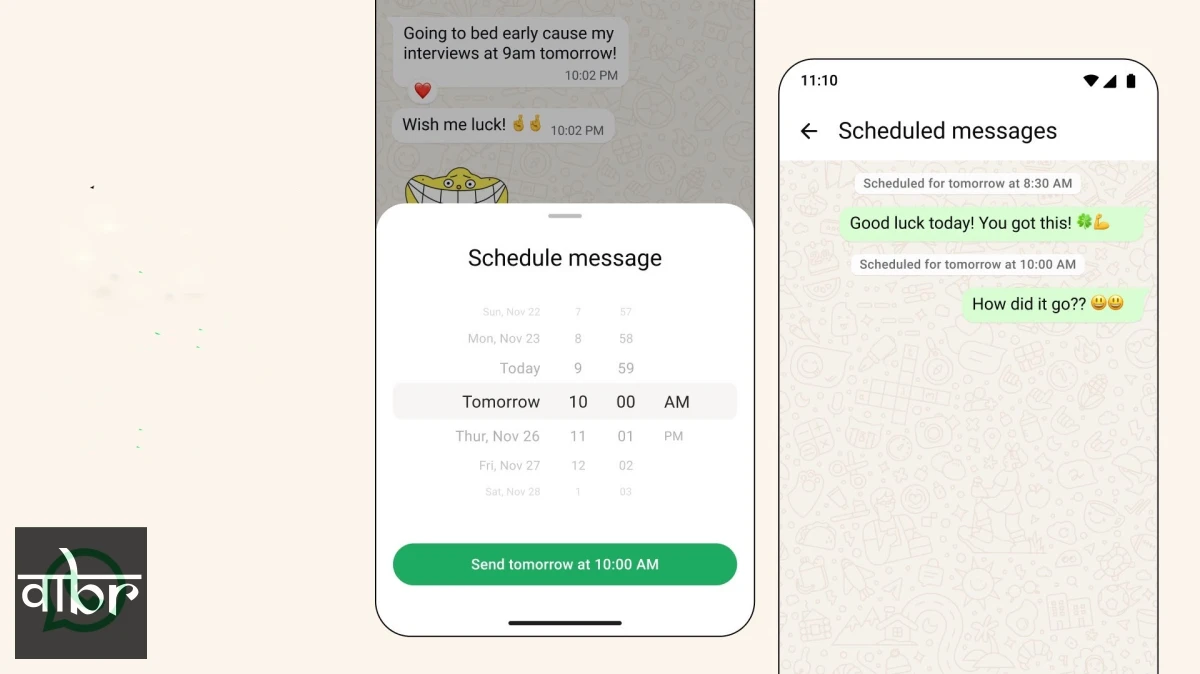
WhatsApp introduces a new scheduled messaging feature allowing users to time posts up to two weeks in advance across private and group chats.

Major Allstate Tech Outage Triggers Holiday Insurance Disruption Chaos
An ongoing Allstate tech outage causes severe holiday travel insurance disruption as millions prepare for Thanksgiving holiday journeys across America.