Uber Parking Launch Signals Strategic Shift Toward Autonomous Robotaxis
Discover how Uber Parking and the SpotHero acquisition are reshaping urban mobility, bridging traditional transit with autonomous robotaxis.

Varta Brief Team
Monday, November 9, 2026
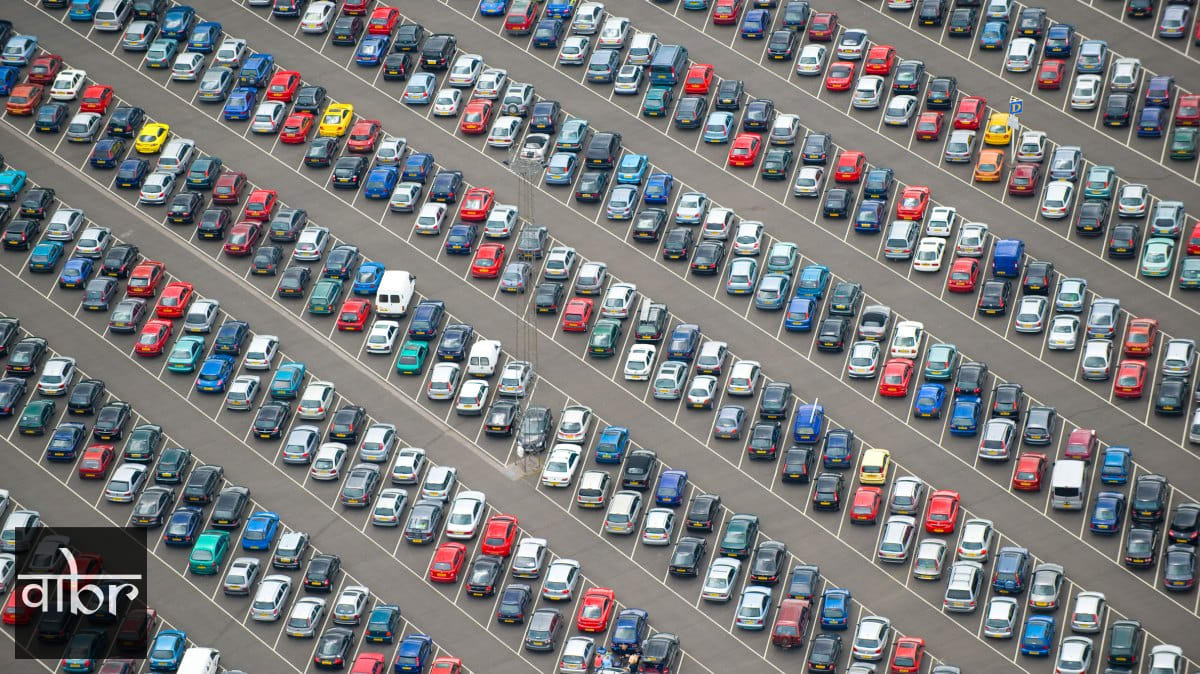
- Discover how Uber Parking and the SpotHero acquisition are reshaping urban mobility, bridging traditional transit with autonomous robotaxis.
- Uber Parking Launch Signals Strategic Shift Toward Autonomous Robotaxis...
Uber Parking Launch Signals Strategic Shift Toward Autonomous Robotaxis
As major transportation conglomerates continue to diversify their revenue streams, the introduction of Uber Parking marks a watershed moment in the evolution of modern urban transit. By leveraging the foundational technology secured through the SpotHero acquisition, the ride-hailing giant is rapidly transitioning from a simple point-to-point transportation network into an all-encompassing mobility ecosystem. This calculated expansion goes far beyond offering drivers a convenient place to leave their vehicles; it lays the critical digital and physical infrastructure required for the widespread deployment of autonomous robotaxis in congested metropolitan areas worldwide.
The integration of Uber Parking into the ubiquitous ride-hailing app represents a masterclass in market consolidation. For years, commuters, delivery drivers, and private car owners have struggled with the fragmented landscape of urban parking. By streamlining garage reservations and payment gateways directly within Uber Parking, the company captures a massive share of the daily commuter journey. Furthermore, this newly minted Uber Parking architecture serves a much grander, forward-thinking vision. Analysts examining the intersection of Uber Parking and autonomous robotaxis note that driverless fleets will require sophisticated staging areas, charging hubs, and maintenance zones during off-peak hours—assets that the SpotHero acquisition immediately brings to the corporate balance sheet.
Deep Dive: Full Event Breakdown
The formal rollout of Uber Parking was not an overnight endeavor but rather the culmination of strategic multi-year maneuvers. Following regulatory approval of the SpotHero acquisition, engineers and product designers rapidly synthesized parking inventory algorithms with Uber's hyper-optimized routing software. The result is a seamless interface inside the primary ride-hailing app that allows users to book parking spots with the same ease as requesting a ride or ordering food delivery.
Industry insiders reveal that the infrastructure built to support Uber Parking addresses several core pain points for modern drivers. Finding affordable, secure parking in dense urban centers has historically been a frustrating, analog experience. By digitizing thousands of garages and surface lots, Uber Parking eliminates guesswork, dynamic pricing friction, and physical ticket collection. Yet, the most profound aspect of the launch remains its underlying architecture, which is uniquely tailored to accommodate upcoming fleets of autonomous robotaxis. When autonomous robotaxis require idle positioning, cleaning, or localized diagnostics, these exact parking facilities will serve as the operational backbone for the company's driverless future.
Industry Impact & Strategic Implications
The broader transit and technology sectors have taken immediate notice of the Uber Parking initiative. Competitors in the ride-hailing and mapping spaces are now scrambling to secure similar real estate and parking partnerships to prevent being outmaneuvered. The SpotHero acquisition effectively cut off independent parking aggregators from scaling independently, centralizing market power within a single dominant platform.
From a strategic standpoint, Uber Parking transforms urban real estate into a programmable utility. As cities evolve toward smart city frameworks, the ability to control and direct traffic flow, curb space utilization, and vehicle dwell times becomes immensely valuable. The synergy between Uber Parking and autonomous robotaxis means that urban planners must now collaborate directly with private tech entities to manage municipal congestion. By controlling both the active ride-hailing journeys and the static parking infrastructure, Uber positions itself as an indispensable gatekeeper of urban mobility.
Technical / Market Analysis
From a software engineering perspective, scaling Uber Parking required overcoming massive data synchronization hurdles. Parking inventories fluctuate dynamically based on real-time occupancy sensors, municipal street regulations, and unexpected civic events. The backend infrastructure inherited from the SpotHero acquisition relies on low-latency microservices that communicate continuously with map APIs and payment gateways.
Market analysis indicates that consumer adoption of Uber Parking is projected to surge exponentially within the first twelve months. Because millions of consumers already maintain active accounts and saved payment credentials within the ride-hailing app, friction is reduced to near zero. Financially, this service opens up high-margin commission revenues while deepening user retention. Most importantly, the technical data harvested from millions of parking transactions will train predictive models for autonomous robotaxis, ensuring that driverless vehicles are deployed precisely where demand and parking availability align harmoniously.
What This Means for Consumers and Developers
For everyday consumers, Uber Parking simplifies travel logistics by unifying driving, parking, and public transit options into a single pane of glass. Drivers no longer need to juggle multiple apps to compare garage rates or reserve spaces ahead of time. Instead, Uber Parking provides transparent pricing and guaranteed availability right at their fingertips.
For software developers, API engineers, and municipal data scientists, this expansion opens up novel pathways for integration. Third-party navigation systems, smart vehicle manufacturers, and logistics operators can plug into the expanded Uber ecosystem to optimize delivery routes and staging protocols. As autonomous robotaxis become a common fixture on city streets, developers will rely heavily on the geospatial datasets generated by Uber Parking to navigate complex urban topography safely.
Key Takeaways
Ecosystem Expansion: The rollout of Uber Parking marks a major milestone in transitioning from basic ride-hailing to comprehensive urban mobility. Strategic Acquisition: The underlying technology and garage inventory were rapidly integrated following the successful SpotHero acquisition. Autonomous Preparation: The physical and digital infrastructure of Uber Parking is explicitly engineered to support future fleets of autonomous robotaxis. Consumer Convenience: Users can now reserve and pay for parking directly within their familiar ride-hailing app, eliminating urban transit friction. Data-Driven Advantage: Transaction and occupancy data from the service will optimize future autonomous vehicle deployment and urban fleet management.
The Road Ahead
Ultimately, the launch of Uber Parking is far more than a routine product update; it is a foundational pillar in a much larger transformation. By merging static parking management with dynamic ride-hailing and laying the groundwork for autonomous robotaxis, the company is systematically solving the most complex puzzles of modern transportation. As cities continue to densify and consumer expectations evolve, the strategic foresight behind these infrastructure investments will define the market leaders of tomorrow's transit landscape.
Strategic Industry Takeaways & Future Outlook
Furthermore, strategic integration surrounding autonomous robotaxis remains a crucial priority for stakeholders. Ensuring high performance across autonomous robotaxis is expected to deliver long-term competitive advantages.
Furthermore, strategic integration surrounding autonomous robotaxis remains a crucial priority for stakeholders. Ensuring high performance across autonomous robotaxis is expected to deliver long-term competitive advantages.
Furthermore, strategic integration surrounding autonomous robotaxis remains a crucial priority for stakeholders. Ensuring high performance across autonomous robotaxis is expected to deliver long-term competitive advantages.
Key factors influencing this sector also include autonomous vehicles , transportation logistics , smart cities , future of transit , each playing an essential role in ongoing development and implementation.
📌 Related Briefings & Stories
Automattic Unveils Spacefast to Conquer the Vibe Coding Era Meet Drops: The New Music Discovery App Revolutionizing Social Audio Tesla Expands Robotaxi Service to San Antonio in Strategic Texas Push
Varta Brief Team
· Newsroom DeskReported, verified, and published by the Varta Brief editorial desk with an uncompromising commitment to primary-source verification and independent journalism.
Related Dispatches
More in Technology →
Amazon Decart Acquisition Signals Bold Move to Challenge Nvidia AI Dominance
Amazon buys Decart for $7.5B to optimize Trainium silicon and reshuffle the Nvidia AI chip race across enterprise cloud computing infrastructure.

Nvidia Board Governance Tested as Jensen Huang Discloses Additional Affairs
A detailed investigation into how revelations around Jensen Huang leadership impact corporate stability, chip markets, and Nvidia's standing with investors.

GTA 6 Sets Historic Record as the Biggest Launch in PlayStation History
Discover how GTA 6 became the biggest launch in PlayStation history, shattering records and reshaping the modern gaming landscape with unprecedented sales.