Why Game Console Prices Will Remain Unusually High Until 2028
An in-depth analysis of why the gaming hardware market is facing persistent high costs, tariff threats, and structural hardware pricing shifts through 2028.

Varta Brief Team
Wednesday, November 25, 2026
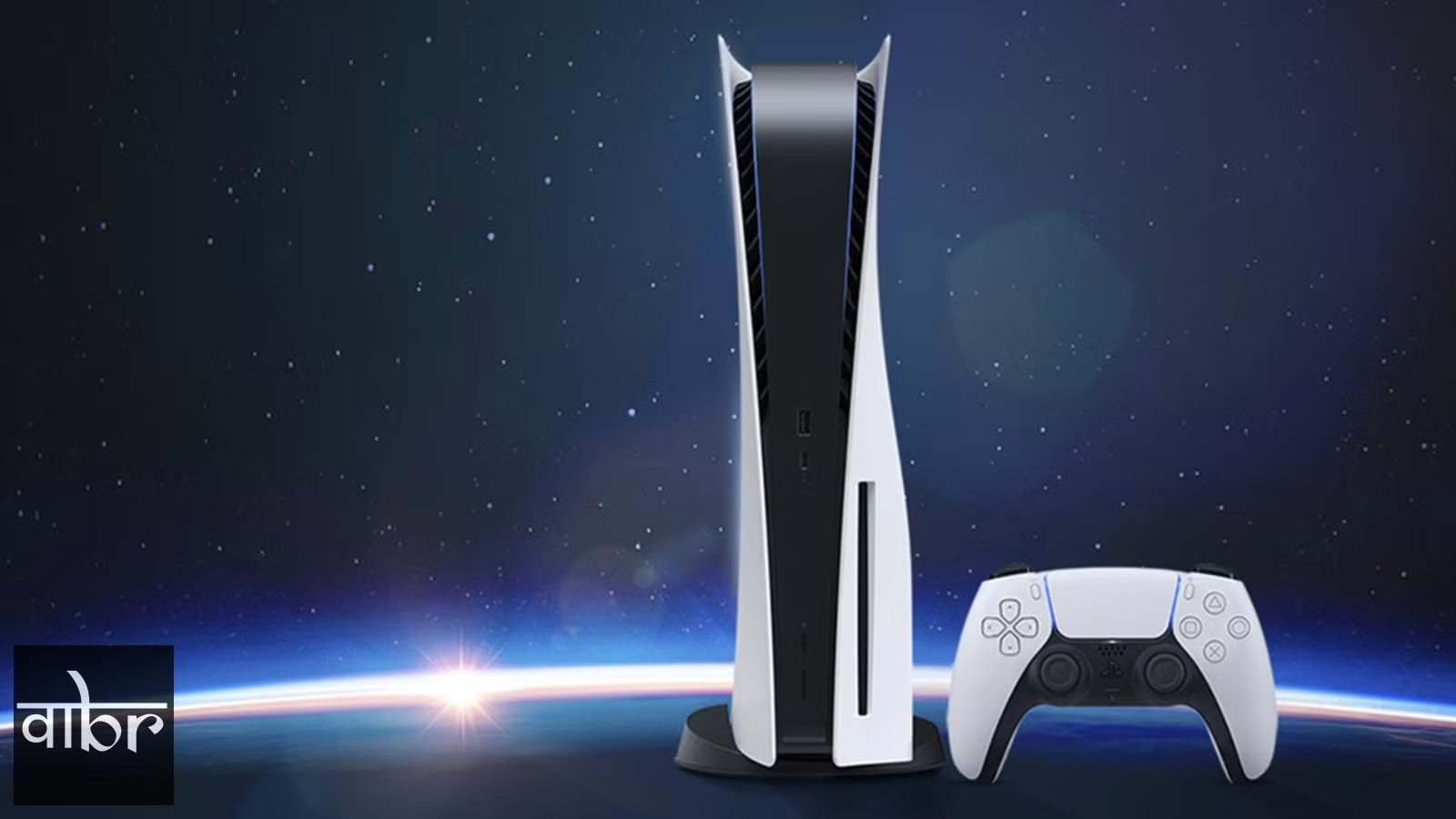
- An in-depth analysis of why the gaming hardware market is facing persistent high costs, tariff threats, and structural hardware pricing shifts through 2028.
- For decades, interactive entertainment relied on a predictable economic cycle: hardware launched at premium prices and systematically dropped in cost over time. Today, that paradig...
For decades, interactive entertainment relied on a predictable economic cycle: hardware launched at premium prices and systematically dropped in cost over time. Today, that paradigm is officially broken. Market analysts indicate that elevated game console prices will persist through at least 2028. Driven by shifting geopolitical realities, supply chain friction, and changing economic models across the global gaming hardware market, players can no longer count on mid-cycle price cuts. Instead, the modern gaming hardware market is adjusting to structural cost increases that redefine how hardware is manufactured, sold, and sustained.
Deep Dive: Full Event Breakdown
Historically, hardware manufacturers like Sony, Microsoft, and Nintendo relied on shrinking manufacturing costs to reduce MSRP mid-generation. However, recent economic forecasting confirms that game console prices will remain stubborn. Analysts point to three primary economic catalysts keeping hardware pricing elevated across the industry.
First, macro-economic pressures including severe proposed trade tariffs threaten to dramatically increase assembly and import costs. As international trade policies evolve, manufacturers in the gaming hardware market face mounting duties on imported electronics. Second, rising semiconductor component costs have shattered the traditional cost-curve trajectory. Advanced chips, specialized memory architectures, and thermal management systems are more expensive to fabricate today than when current systems launched.
Third, the foundational hardware subsidy model—where companies willingly sold hardware at a loss to recoup revenue through software—is facing severe structural strain. As software development budgets balloon, platform holders cannot afford heavy subsidies on hardware while managing elevated financial risks across the gaming hardware market. Consequently, high game console prices are becoming the new baseline for consumers worldwide.
Industry Impact & Strategic Implications
The systemic stabilization of high game console prices alters long-term corporate strategies. Traditionally, a console life cycle followed a predictable pattern of early adoption followed by broad mass-market price drops. Now, as the current console life cycle progresses, platform holders are shifting focus toward premium hardware tiers rather than discounting entry-level units.
This shift is evident in recent hardware releases. The launch of the PlayStation 5 Pro highlights how Sony is targeting enthusiast buyers willing to pay top dollar, effectively elevating baseline expectations across the gaming hardware market. Rather than bringing down standard hardware pricing, companies are expanding upward.
Similarly, expectations surrounding the upcoming Nintendo Switch successor reflect this broader market trend. Industry insiders expect Nintendo's next platform to launch at a significantly higher MSRP than its predecessor, confirming that high game console prices affect handheld-hybrid platforms just as severely as home consoles. For Microsoft, Microsoft’s strategy in the gaming hardware market emphasizes cloud services and subscription ecosystems to offset hardware margin pressures, further cementing high baseline game console prices.
Technical / Market Analysis
From an engineering and logistics standpoint, the refusal of game console prices to decline stems from deep-seated structural realities. Advanced node manufacturing for microprocessors no longer yields the dramatic cost savings per transistor that defined previous tech generations. As semiconductor component costs remain elevated, the expense of producing cutting-edge silicon keeps game console prices high.
Furthermore, global tech companies are actively engaged in supply chain diversification. Shifting manufacturing infrastructure out of single hubs to regions like Vietnam, India, and Mexico requires massive upfront capital expenditure. Hardware makers pass these transitional expenses down to end-users within the gaming hardware market.
The emergence of the mid-generation console refresh cycle further complicates pricing dynamics. Instead of streamlining production to slash costs on baseline models, R&D spending is diverted into creating higher-tier hardware like the PlayStation 5 Pro. Consequently, overall game console prices stay rigid, while the broader gaming hardware market bifurcates into baseline premium and ultra-enthusiast categories.
What This Means for Consumers and Developers
For everyday consumers, persistent game console prices mean higher barriers to entry. Gamers can no longer wait three or four years into a generation expecting a $100 price cut. Instead, holding off on purchases may yield minimal financial benefit, fundamentally altering purchasing habits within the gaming hardware market.
For software developers, rigid game console prices slow the migration of the player base to new hardware. When baseline game console prices remain high, millions of players stay on legacy systems longer. This forces game studios to continue supporting last-generation platforms, delaying true generational software leaps.
Moreover, as the gaming hardware market adapts to high hardware costs, publishers must rely heavily on cross-platform releases, extended live-service titles, and cloud gaming initiatives to maximize reach when hardware adoption rates slow due to high game console prices.
Key Takeaways
Structural Cost Elevation : Driven by proposed trade tariffs and high semiconductor component costs, game console prices will remain high through 2028. Erosion of Subsidies : The traditional hardware subsidy model is no longer viable, keeping hardware at premium levels across the gaming hardware market. Supply Chain Overhauls : Ongoing supply chain diversification creates elevated operational expenses that reinforce sticky hardware costs. Focus on Premium Tiers : Platforms like the PlayStation 5 Pro and the anticipated Nintendo Switch successor demonstrate an industry-wide shift toward high-margin devices in the gaming hardware market. Extended Generation Timelines : Persistent hardware pricing lengthens the active console life cycle, extending support for older hardware platforms.
The Road Ahead
Looking forward to 2028 and beyond, the dynamics governing the gaming hardware market show few signs of reverting to historical norms. As trade policies evolve and proposed trade tariffs remain an ongoing threat, hardware manufacturers must navigate unprecedented geopolitical and manufacturing challenges.
While consumers may hope that a future mid-generation console refresh or new platform iteration will break this pattern, market trends suggest otherwise. Elevated game console prices are not a temporary spike, but a structural realignment of the entire video game economy. As platform holders continue to innovate, navigating the modern gaming hardware market will require both players and creators to adjust to an era where high-quality gaming hardware comes at a permanent premium.
Strategic Industry Takeaways & Future Outlook
Furthermore, strategic integration surrounding gaming hardware market remains a crucial priority for stakeholders. Ensuring high performance across gaming hardware market is expected to deliver long-term competitive advantages.
📌 Related Briefings & Stories
Major Allstate Tech Outage Triggers Holiday Insurance Disruption Chaos Amazon Meta AI Agent Standoff: Talks Begin to Resolve Muse Blockade Todoist Data Breach Exposes Records for Millions in Security Incident
Varta Brief Team
· Newsroom DeskReported, verified, and published by the Varta Brief editorial desk with an uncompromising commitment to primary-source verification and independent journalism.
Related Dispatches
More in Gaming →
GTA 6 Standout Vehicles: The Definitive Key Lento Discovery Guide
Uncover hidden Key Lento vehicle locations in GTA 6 with this complete tactical breakdown of rare rides, map strategies, and world progression systems.

Mastering the GTA 6 Peewees Billboard Location Challenge for Rewards
Discover all GTA 6 Peewees Billboard locations in the ultimate guide. Learn how to solve the puzzle, claim the grand prize, and master the challenge today.

Exoprimal Shutdown Announced: Capcom Cancels Multiplayer Shooter by 2027
Capcom confirms Exoprimal shutdown by 2027. Read our deep-dive analysis on the multiplayer shooter's failure, market impact, and developer strategy.