Xreal Aura Launches: The New Wired Headset Powered by Android XR
Discover the Xreal Aura, a revolutionary wired headset starting at $1,279 powered by Android XR, featuring cutting-edge spatial apps and enterprise tech.

Varta Brief Team
Wednesday, October 28, 2026
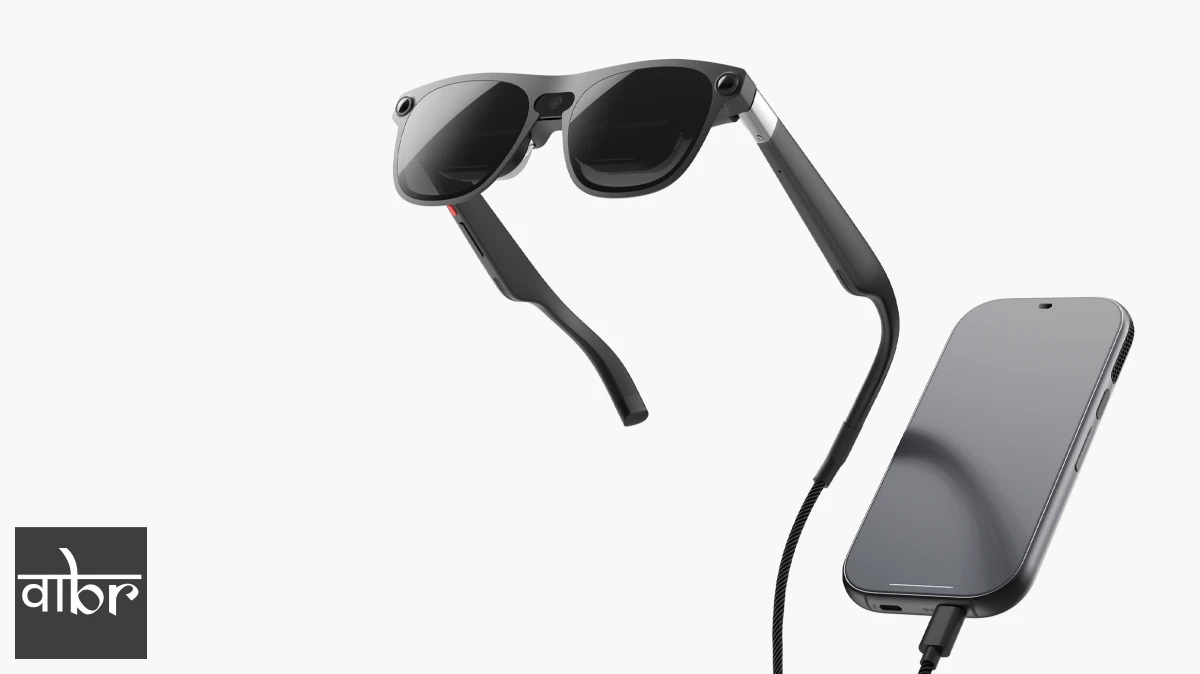
- Discover the Xreal Aura, a revolutionary wired headset starting at $1,279 powered by Android XR, featuring cutting-edge spatial apps and enterprise tech.
- Xreal Aura Launches: The New Wired Headset Powered by Android XR...
Xreal Aura Launches: The New Wired Headset Powered by Android XR
The landscape of wearable tech is shifting dramatically, and the newly announced Xreal Aura stands right at the epicenter of this transformation. As industry giants vie for dominance in the spatial era, Xreal has officially stepped up by revealing its flagship piece of hardware. The Xreal Aura arrives as a meticulously engineered, tethered solution designed to bridge the gap between lightweight AR glasses and heavy standalone mixed reality hardware. Built from the ground up to utilize Android XR, the Xreal Aura promises an unprecedented software ecosystem right out of the box, positioning Xreal Aura as a major contender against established players in the mixed reality device sector.
With a starting price point of $1,279, the Xreal Aura targets professionals, developers, and tech enthusiasts who demand robust performance without the bulk of an onboard battery-and-compute block strapped to the face. By opting for a tethered architecture, the Xreal Aura achieves an exceptionally slim profile while leaning on Android XR to handle complex spatial computing tasks. This comprehensive deep dive examines the architecture, strategic implications, market analysis, and future outlook of the Xreal Aura and its integration with Android XR.
Deep Dive: Full Event Breakdown
The announcement event for the Xreal Aura sent ripples through the tech community, showcasing a hardware philosophy that prioritizes ergonomics without compromising computing muscle. Because the Xreal Aura functions as a wired headset, it shifts the heavy processing load away from the face, distributing weight effectively and allowing the Xreal Aura to maintain a remarkably sleek form factor. Analysts reviewing the Xreal Aura noted its premium build quality and its seamless tethering mechanism, which connects the Xreal Aura to a pocket-sized processing unit or compatible host device.
Central to the Xreal Aura experience is its reliance on Android XR. Google’s dedicated spatial operating system gives the Xreal Aura immediate access to a rich library of specialized applications. During the launch showcase, executives demonstrated multiple XR specific apps running natively on the Xreal Aura, highlighting seamless multitasking, high-fidelity passthrough, and intuitive gesture controls powered by Android XR. The Xreal Aura software suite at launch includes productivity tools, immersive media players, and collaborative enterprise platforms, proving that Android XR is ready to support complex workloads on the Xreal Aura hardware.
Industry Impact & Strategic Implications
The arrival of the Xreal Aura introduces a fascinating dynamic to the hardware ecosystem, particularly regarding Xreal headset pricing and market positioning. At $1,279, the Xreal Aura sits comfortably in the premium tier, undercutting some standalone competitors while commanding a price that reflects its advanced engineering. Industry watchers are analyzing how this specific Xreal headset pricing strategy will influence consumer adoption. While $1,279 is a significant investment, the Xreal Aura justifies the cost by offering a refined user experience driven by Android XR.
Furthermore, the launch of the Xreal Aura reinforces the expansion of the Google XR ecosystem. For years, developers sought a unified platform for spatial applications, and Android XR provides the standardized framework necessary to scale development. By adopting Android XR, the Xreal Aura ensures that developers can easily port existing applications or build novel experiences specifically tailored for the Xreal Aura. This strategic alignment between hardware manufacturing and software standardization is expected to accelerate the growth of the broader consumer XR market.
Technical / Market Analysis
Analyzing the technical specifications of the Xreal Aura reveals a deliberate balancing act between performance and comfort. Traditional standalone headsets often struggle with thermal management and facial fatigue due to heavy internal batteries. By designing the Xreal Aura as a wired headset, engineers solved major thermal constraints, allowing the Xreal Aura to run intensive Android XR workloads for extended periods without throttling.
Market analysts tracking the wearable technology sector point out that enterprise spatial computing represents a massive growth opportunity for tethered devices. While pure consumer adoption of mixed reality device hardware remains gradual, enterprise buyers readily embrace comfortable, high-resolution tools like the Xreal Aura for remote collaboration, engineering design, and immersive training. The synergy between Android XR and the Xreal Aura hardware provides IT administrators with the security, management tools, and app compatibility they require, further cementing the Xreal Aura as a versatile asset in enterprise spatial computing.
What This Means for Consumers and Developers
For everyday consumers evaluating the Xreal Aura, the decision hinges on whether the benefits of a wired headset outweigh the tether. Users who prioritize lightweight comfort over untethered freedom will find the Xreal Aura exceptionally appealing. The integration of Android XR ensures that users of the Xreal Aura won't suffer from a lack of content, as numerous productivity and entertainment apps are optimized for the Xreal Aura from day one.
Developers, meanwhile, have renewed incentive to build for Android XR. The technical capabilities showcased by the Xreal Aura give creators a reliable, high-performance canvas. As more users adopt the Xreal Aura, the demand for polished Android XR experiences will skyrocket, creating a thriving economy for spatial developers. The Xreal Aura thus serves as both a consumer gadget and a vital development kit for the future of spatial computing.
Key Takeaways (Detailed bullet points)
Hardware Innovation: The Xreal Aura is engineered as a lightweight wired headset, optimizing comfort by offloading compute power. Software Foundation: Powered by Android XR, the Xreal Aura launches with a robust suite of native spatial applications. Pricing Strategy: Xreal headset pricing starts at $1,279, positioning the Xreal Aura in the premium tier for enthusiasts and professionals. Ecosystem Expansion: The integration of Android XR within the Xreal Aura strengthens Google’s overarching spatial software ecosystem. Enterprise Readiness: The Xreal Aura is poised to capture significant market share within the enterprise spatial computing sector due to its ergonomic design and reliable performance.
The Road Ahead (Forward-looking conclusion)
As pre-orders open and the Xreal Aura begins shipping to early adopters, the tech world will closely monitor real-world performance metrics and developer adoption rates. The success of the Xreal Aura will likely serve as a litmus test for wired spatial hardware in a market increasingly obsessed with standalone convenience. By leveraging Android XR, Xreal has given the Xreal Aura a fighting chance to define the next era of wearable technology. Whether consumers and enterprises embrace the $1,279 Xreal headset pricing will ultimately depend on the continued evolution of Android XR apps and the undeniable comfort advantage that the Xreal Aura brings to spatial computing.
📌 Related Briefings & Stories
Apple Launches Touchscreen MacBook Pro: A New Era for Professional Laptops Reddit For You Feed Revolutionizes Content Discovery Across Platforms TechCrunch Founder Summit 2026: Secure Your Pass Today
Varta Brief Team
· Newsroom DeskReported, verified, and published by the Varta Brief editorial desk with an uncompromising commitment to primary-source verification and independent journalism.
Related Dispatches
More in Technology →
Amazon Decart Acquisition Signals Bold Move to Challenge Nvidia AI Dominance
Amazon buys Decart for $7.5B to optimize Trainium silicon and reshuffle the Nvidia AI chip race across enterprise cloud computing infrastructure.

Nvidia Board Governance Tested as Jensen Huang Discloses Additional Affairs
A detailed investigation into how revelations around Jensen Huang leadership impact corporate stability, chip markets, and Nvidia's standing with investors.

GTA 6 Sets Historic Record as the Biggest Launch in PlayStation History
Discover how GTA 6 became the biggest launch in PlayStation history, shattering records and reshaping the modern gaming landscape with unprecedented sales.