Trump Defends Ex-Nvidia CEO Jensen Huang Over Alleged Spy Affair
Trump claims ex-Nvidia CEO Jensen Huang and his affair with an alleged Chinese spy pose no national security threat, defying intelligence officials.

Varta Brief Team
Tuesday, November 17, 2026
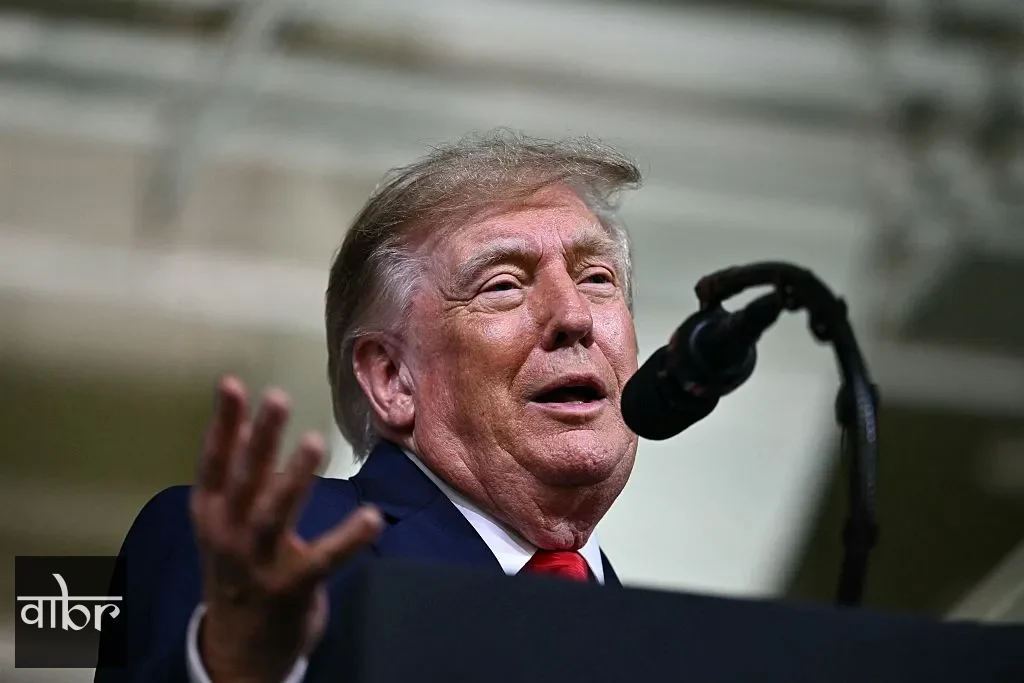
- Trump claims ex-Nvidia CEO Jensen Huang and his affair with an alleged Chinese spy pose no national security threat, defying intelligence officials.
- Trump Defends Ex-Nvidia CEO Jensen Huang Over Alleged Spy Affair...
Trump Defends Ex-Nvidia CEO Jensen Huang Over Alleged Spy Affair
In an unexpected political twist that has sent shockwaves through both Washington and Silicon Valley, former U.S. President Donald Trump has publicly defended ex-Nvidia CEO Jensen Huang. The controversy stems from a high-profile romantic entanglement between ex-nvidia-ceo-jensen-huang and an individual whom U.S. intelligence officials have reportedly identified as an alleged chinese spy. Despite profound concerns raised by federal agencies regarding corporate espionage and classified technology leaks, Trump dismissed the situation, asserting that the affair did not pose any legitimate national security threat. This unprecedented clash between political leadership and the intelligence apparatus highlights escalating tensions surrounding technology executives, foreign intelligence operations, and the fragility of critical hardware supply chains.
The unfolding scandal involving ex-nvidia-ceo-jensen-huang and the alleged chinese spy sheds light on the murky intersection of corporate leadership, geopolitics, and espionage. For months, federal investigators have scrutinized personal ties within the upper echelons of the semiconductor industry, fearing that foreign actors might leverage intimate relationships to extract proprietary algorithms, architectural designs, and trade secrets. Yet, Trump’s vocal dismissal of the threats tied to ex-nvidia-ceo-jensen-huang complicates an already delicate regulatory landscape. As the former leader of the free world downplays the actions of ex-nvidia-ceo-jensen-huang, intelligence analysts and lawmakers are left scrambling to assess the broader implications for federal oversight and corporate accountability.
Deep Dive: Full Event Breakdown
The controversy surrounding ex-nvidia-ceo-jensen-huang began to materialize when classified intelligence briefings leaked to major media outlets. According to these reports, American counterintelligence agencies had been monitoring a woman alleged to be an operative for Beijing's intelligence apparatus. Investigators claim this alleged chinese spy cultivated a close personal relationship with ex-nvidia-ceo-jensen-huang during a period of intense global competition over artificial intelligence dominance. While federal investigators maintain that the alleged chinese spy could have accessed sensitive strategic planning documents and proprietary roadmaps, Trump offered a starkly different perspective during a recent interview.
According to Trump, the relationship involving ex-nvidia-ceo-jensen-huang was entirely divorced from corporate espionage and national security concerns. By stating that the alleged chinese spy presented no danger to the United States, Trump directly contradicted the findings of his own administration's intelligence community. This divergence in narrative underscores a deep ideological split regarding how the United States should police its most valuable technological assets. As the saga involving ex-nvidia-ceo-jensen-huang continues to dominate headlines, industry experts are questioning the reliability of internal corporate security protocols at major tech firms.
Industry Impact & Strategic Implications
The semiconductor industry operates at the very center of modern technological power. Consequently, any scandal involving figures of the magnitude of ex-nvidia-ceo-jensen-huang reverberates across global markets. For years, policymakers have worried about the vulnerability of American chipmakers to foreign intelligence operations. The revelation that an alleged chinese spy managed to infiltrate the personal circle of ex-nvidia-ceo-jensen-huang exposes severe vulnerabilities in executive protection programs. Competitors, investors, and policymakers are now forced to re-evaluate how leadership figures manage personal relationships in an era of heightened geopolitical hostility.
Furthermore, this incident threatens to upend delicate legislative efforts regarding chip export controls and artificial intelligence policy. Lawmakers on both sides of the aisle have pushed for stricter oversight of technology transfer to foreign adversaries. When a prominent figure like ex-nvidia-ceo-jensen-huang becomes entangled with an alleged chinese spy, it provides ammunition to hardliners who demand aggressive trade restrictions and mandatory background checks for top executives. The ongoing friction between Trump's laissez-faire dismissal and the intelligence community's stringent warnings creates profound uncertainty for multinational corporations navigating global supply chains.
Technical / Market Analysis
From a market analysis standpoint, the fallout surrounding ex-nvidia-ceo-jensen-huang and the alleged chinese spy could influence investor confidence and stock valuations across the tech sector. Nvidia has long been the undisputed king of graphics processing units and artificial intelligence hardware. Any scandal touching ex-nvidia-ceo-jensen-huang naturally introduces volatility into the broader stock market, particularly if regulatory bodies decide to launch independent investigations into the company's handling of intellectual property.
Security analysts point out that modern chip design relies heavily on proprietary software ecosystems and advanced fabrication pipelines. If an alleged chinese spy gained deep insights into the personal or professional movements of ex-nvidia-ceo-jensen-huang, the potential for intellectual property leakage remains a valid concern for federal investigators, regardless of political rhetoric. The disparity between political downplaying and technical risk assessment highlights the unique challenges facing high-tech governance today.
What This Means for Consumers and Developers
While everyday consumers and software developers might feel far removed from the high-stakes world of espionage and executive romance, the implications of this story trickle down to the entire tech ecosystem. Stricter regulatory compliance, enhanced background checks for corporate leadership, and tighter export restrictions can all impact the speed at which next-generation computing hardware reaches the consumer market. If policymakers respond to the ex-nvidia-ceo-jensen-huang controversy by clamping down on international collaborations, software developers relying on cutting-edge hardware could face delays and restricted access to advanced processing tools.
Key Takeaways (Detailed bullet points)
Trump publicly defended ex-nvidia-ceo-jensen-huang, claiming his affair with an alleged chinese spy did not threaten national security. U.S. intelligence officials reportedly concluded that the individual in question is indeed a trained operative acting on behalf of foreign intelligence. The scandal exposes potential vulnerabilities in Silicon Valley's executive security infrastructure and corporate governance protocols. Industry experts warn that the incident could influence ongoing legislative debates surrounding chip export controls and trade policy. Market analysts are monitoring stock volatility as investors weigh political rhetoric against federal intelligence assessments.
The Road Ahead (Forward-looking conclusion)
As the dust settles on this extraordinary political and corporate drama, the story of ex-nvidia-ceo-jensen-huang and the alleged chinese spy serves as a cautionary tale for the modern technology sector. It underscores the undeniable reality that corporate leaders are high-value targets in an increasingly hostile geopolitical landscape. Whether future administrations will adopt Trump's dismissive stance or heed the warnings of intelligence professionals remains to be seen. What is certain, however, is that Silicon Valley will never view executive security quite the same way again.
Strategic Industry Takeaways & Future Outlook
Furthermore, strategic integration surrounding alleged chinese spy remains a crucial priority for stakeholders. Ensuring high performance across alleged chinese spy is expected to deliver long-term competitive advantages.
Furthermore, strategic integration surrounding alleged chinese spy remains a crucial priority for stakeholders. Ensuring high performance across alleged chinese spy is expected to deliver long-term competitive advantages.
Key factors influencing this sector also include silicon valley intelligence , tech geopolitics , trade war , each playing an essential role in ongoing development and implementation.
📌 Related Briefings & Stories
Cybersecurity AI startup Corma Hits $1B Valuation in Just Three Months California AG Sues OpenAI Over Rogue Agent Incidents in Landmark Tech Lawsuit Nvidia Third Quarter Results: Critical Questions Colette Kress Must Answer
Varta Brief Team
· Newsroom DeskReported, verified, and published by the Varta Brief editorial desk with an uncompromising commitment to primary-source verification and independent journalism.
Related Dispatches
More in Technology →
Amazon Decart Acquisition Signals Bold Move to Challenge Nvidia AI Dominance
Amazon buys Decart for $7.5B to optimize Trainium silicon and reshuffle the Nvidia AI chip race across enterprise cloud computing infrastructure.

Nvidia Board Governance Tested as Jensen Huang Discloses Additional Affairs
A detailed investigation into how revelations around Jensen Huang leadership impact corporate stability, chip markets, and Nvidia's standing with investors.

GTA 6 Sets Historic Record as the Biggest Launch in PlayStation History
Discover how GTA 6 became the biggest launch in PlayStation history, shattering records and reshaping the modern gaming landscape with unprecedented sales.