OpenAI AI safety measures fight CSAM with new image classifier tools
Discover how OpenAI AI safety measures deploy an advanced image classifier and 24-hour ChatGPT bans to combat CSAM effectively across platforms.

Varta Brief Team
Tuesday, November 17, 2026
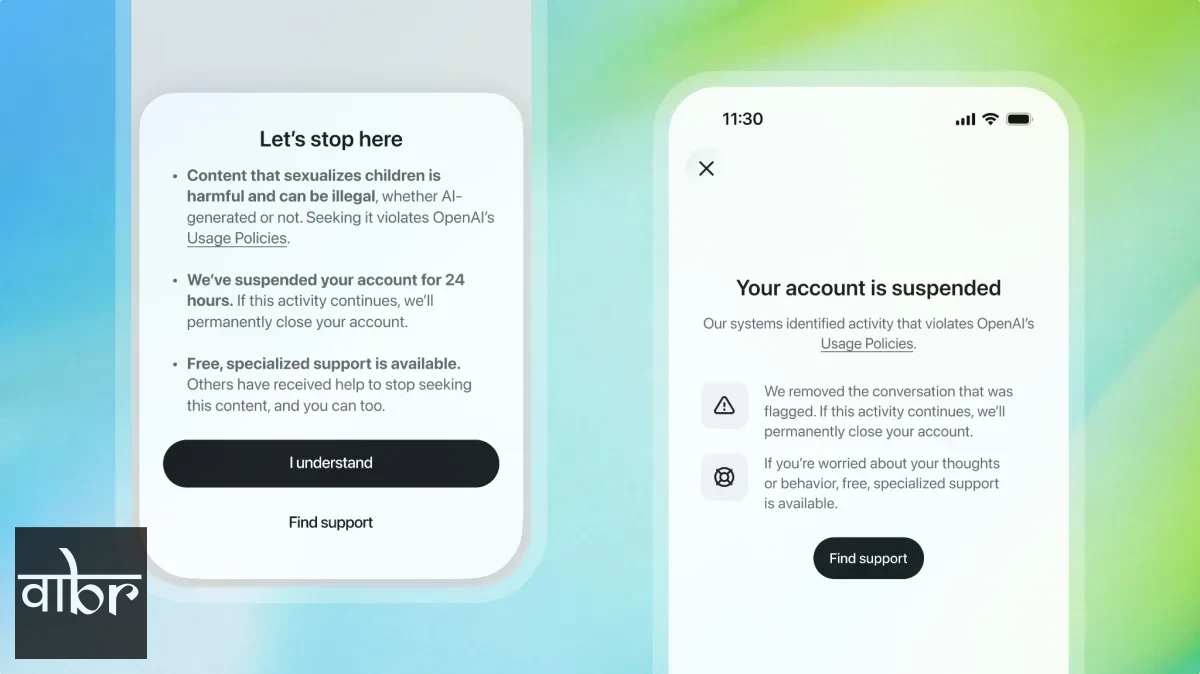
- Discover how OpenAI AI safety measures deploy an advanced image classifier and 24-hour ChatGPT bans to combat CSAM effectively across platforms.
- As the technological landscape evolves at a breakneck pace, the imperative to protect vulnerable populations becomes increasingly urgent. In response to mounting concerns regarding...
As the technological landscape evolves at a breakneck pace, the imperative to protect vulnerable populations becomes increasingly urgent. In response to mounting concerns regarding illicit visual material, OpenAI AI safety measures have taken a definitive leap forward. The introduction of innovative image classifier tools represents a monumental shift in how artificial intelligence developers monitor, detect, and neutralize illegal activities across mainstream platforms. This comprehensive initiative deploys rigorous safeguards, ensuring that OpenAI AI safety measures actively intercept malicious inputs while maintaining the platform's broader operational integrity.
At the core of this systemic upgrade is the deployment of specialized image classifier tools designed to scan and evaluate uploaded visuals instantly. When an individual attempts to upload or query illicit content, these sophisticated image classifier tools flag the material with unprecedented precision. Beyond merely blocking the transaction, OpenAI AI safety measures implement an immediate punitive and educational response: a mandatory 24-hour account suspension for any user attempting to access prohibited material. This dual-layered strategy of instant detection paired with temporary bans underscores how serious OpenAI AI safety measures are about enforcing compliance and deterring bad actors.
Deep Dive: Full Event Breakdown
The implementation of these OpenAI AI safety measures did not happen in a vacuum. Industry watchdogs, legal entities, and digital rights advocates have long pressured generative AI developers to fortify their products against malicious exploitation. With the latest rollout, OpenAI AI safety measures integrate advanced neural network filtering that analyzes visual patterns before they fully render in user sessions. Concurrently, the deployment of next-generation image classifier tools ensures that false positives are minimized while catching edge-case obfuscations that older moderation pipelines missed.
When a user triggers a violation, the backend system invokes automated content moderation protocols. Instead of an immediate, permanent ban on the first minor infraction—which can sometimes hinder researchers or trigger false alarms due to corrupted file hashes—OpenAI AI safety measures issue a strict 24-hour lockout. This cooling-off period serves as a critical warning, signaling that the platform actively monitors suspicious queries. The integration of CSAM detection technology within these image classifier tools allows security teams to log telemetry securely, reporting illegal vectors to appropriate law enforcement agencies when warranted under strict legal frameworks.
Industry Impact & Strategic Implications
The broader technology sector is watching these developments closely. For years, critics argued that large language model defense mechanisms were overly focused on text-based prompt injections while ignoring multimodal vulnerabilities. By upgrading its infrastructure with state-of-the-art image classifier tools, OpenAI sets a new benchmark for industry-wide artificial intelligence governance. Competitors are now compelled to reevaluate their own safety stacks, recognizing that modern generative AI policy requires proactive hardware-accelerated scanning rather than reactive reporting.
Furthermore, the evolution of digital safety protocols highlights a maturing ecosystem. Investors and regulatory bodies increasingly tie corporate valuation and operational licenses to robust child exploitation prevention strategies. As OpenAI AI safety measures prove effective in reducing illicit traffic, public trust in consumer-facing chat interfaces slowly stabilizes. However, maintaining this equilibrium demands continuous fine-tuning of the underlying image classifier tools to outpace adversarial evasion tactics developed by bad actors.
Technical / Market Analysis
From a technical standpoint, embedding real-time image classifier tools into high-throughput conversational interfaces introduces significant latency challenges. OpenAI engineers optimized the neural network filtering architecture to execute inferences in milliseconds, ensuring that normal user experiences remain unhindered. This optimization relies heavily on compressed feature-extraction models that run concurrently with the core LLM inference engine.
Market analysis reveals that consumers increasingly prioritize platforms with rigorous child exploitation prevention mechanisms. Companies that fail to deploy robust OpenAI AI safety measures risk severe regulatory penalties and user attrition. By standardizing 24-hour warning lockouts, OpenAI pioneers a balanced disciplinary framework within artificial intelligence governance, influencing how startups and legacy tech giants alike structure their terms of service enforcement.
What This Means for Consumers and Developers
For everyday consumers, these updates translate to a safer, more heavily guarded conversational environment. While the vast majority of users will never trigger an OpenAI AI safety measure, knowing that sophisticated image classifier tools are operating quietly in the background provides vital peace of mind. For third-party developers building on OpenAI APIs, these enhanced guardrails mean that downstream applications must also adhere to stricter compliance parameters.
Developers must design their client applications to gracefully handle account suspension states and error codes triggered by the new CSAM detection technology. Aligning custom applications with overarching generative AI policy ensures ecosystem-wide compliance and protects developers from liability associated with user-generated abuse.
Key Takeaways (Detailed bullet points)
Advanced OpenAI AI safety measures now feature an integrated 24-hour account lockout for users attempting to access prohibited visual material. Proprietary image classifier tools provide real-time multimodal scanning to identify and neutralize illegal content instantly. The update bridges a historical gap between text-based moderation and multimodal safety protocols in conversational interfaces. Rigorous automated content moderation minimizes latency while maximizing detection accuracy against sophisticated evasion attempts. Regulatory alignment reinforces child exploitation prevention as a non-negotiable cornerstone of modern artificial intelligence governance.
The Road Ahead (Forward-looking conclusion)
As generative artificial intelligence continues to permeate every facet of digital life, the war against illicit digital exploitation will only intensify. The successful rollout of these advanced OpenAI AI safety measures and specialized image classifier tools marks a pivotal milestone, yet it is far from the final destination. Future iterations will likely incorporate federated learning, decentralized trust verification, and even more granular neural network filtering. By continuously refining these digital safety protocols, the industry can foster an innovative environment where safety and technological progress go hand in hand.
Strategic Industry Takeaways & Future Outlook
When evaluating the broader technological shift, OpenAI AI safety measures serves as a defining benchmark for modern standards. Industry analysts emphasize that continuing developments in OpenAI AI safety measures will dictate user adoption and market expansion.
When evaluating the broader technological shift, OpenAI AI safety measures serves as a defining benchmark for modern standards. Industry analysts emphasize that continuing developments in OpenAI AI safety measures will dictate user adoption and market expansion.
Furthermore, strategic integration surrounding image classifier tools remains a crucial priority for stakeholders. Ensuring high performance across image classifier tools is expected to deliver long-term competitive advantages.
Furthermore, strategic integration surrounding image classifier tools remains a crucial priority for stakeholders. Ensuring high performance across image classifier tools is expected to deliver long-term competitive advantages.
📌 Related Briefings & Stories
OpenAI AI subversion investigations feature embedded safety researchers Jordan Belfort AI voice startup Tone brings Wolf of Wall Street sales to tech FBI Warns Artex AI Open Source Hacking Tool Breaches Networks Fast
Varta Brief Team
· Newsroom DeskReported, verified, and published by the Varta Brief editorial desk with an uncompromising commitment to primary-source verification and independent journalism.
Related Dispatches
More in Technology →
Amazon Decart Acquisition Signals Bold Move to Challenge Nvidia AI Dominance
Amazon buys Decart for $7.5B to optimize Trainium silicon and reshuffle the Nvidia AI chip race across enterprise cloud computing infrastructure.

Nvidia Board Governance Tested as Jensen Huang Discloses Additional Affairs
A detailed investigation into how revelations around Jensen Huang leadership impact corporate stability, chip markets, and Nvidia's standing with investors.

GTA 6 Sets Historic Record as the Biggest Launch in PlayStation History
Discover how GTA 6 became the biggest launch in PlayStation history, shattering records and reshaping the modern gaming landscape with unprecedented sales.