Super-Hot Rock Geothermal Could End Data Center Energy Woes
Discover how super-hot rock geothermal and advanced energy solutions are working to completely end data center energy woes and power modern tech.

Varta Brief Team
Friday, November 20, 2026
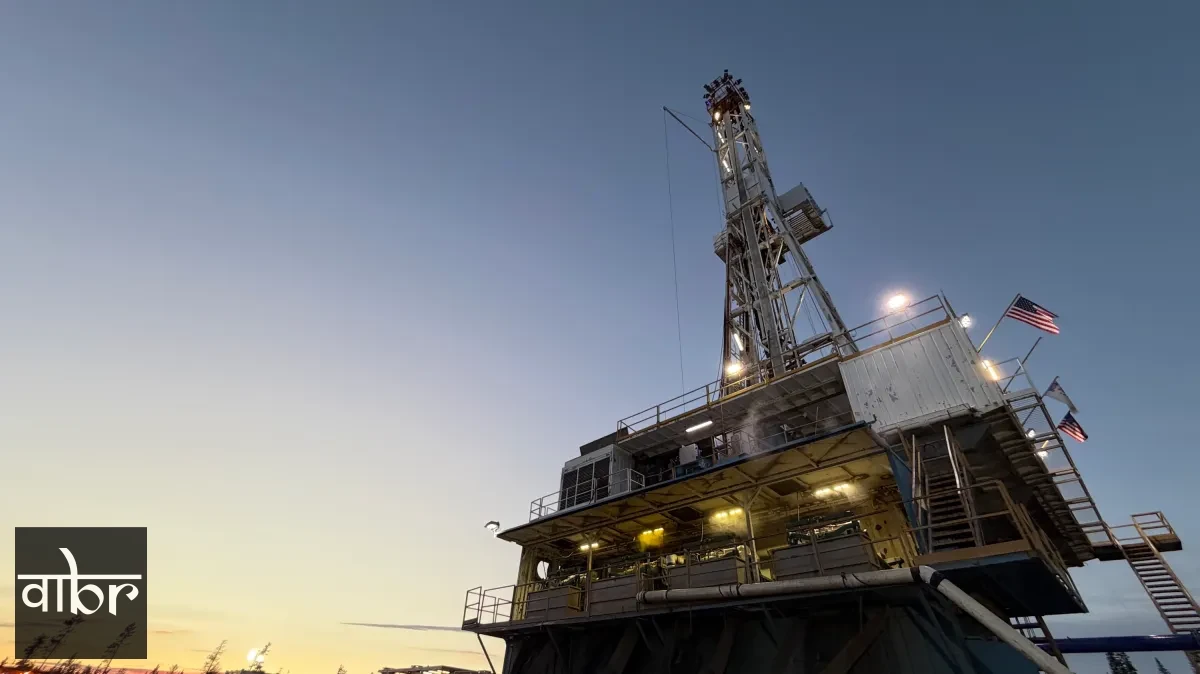
- Discover how super-hot rock geothermal and advanced energy solutions are working to completely end data center energy woes and power modern tech.
- As the digital landscape expands exponentially under the relentless demand of artificial intelligence, a massive infrastructural bottleneck threatens to stall global technological ...
As the digital landscape expands exponentially under the relentless demand of artificial intelligence, a massive infrastructural bottleneck threatens to stall global technological progress. The staggering power consumption of modern server farms has brought data center energy woes to the forefront of executive boardrooms and regulatory policy discussions worldwide. Traditional energy grids are strained to their absolute breaking point, unable to cope with the sudden, multi-gigawatt power requirements of next-generation computing clusters. Enter a radical technological shift: super-hot rock geothermal energy. This emerging frontier in power generation promises not only to alleviate data center energy woes but to completely transform how humanity harnesses the Earth's internal heat.
For decades, geothermal energy was geographically constrained to locations near tectonic plate boundaries where hot water naturally bubbled close to the surface, such as Iceland or parts of California. However, a new wave of advanced geothermal startups is rewriting the rules of physics and geology. By utilizing deep drilling technology borrowed from the oil and gas sector, these innovators are aiming to drill miles beneath the Earth's crust anywhere on the planet, unlocking limitless thermal energy. If successful, super-hot rock geothermal could provide the steady, uninterrupted baseload power generation desperately needed to keep server farms online 24/7 without burning fossil fuels.
Deep Dive: Full Event Breakdown
The modern push toward super-hot rock geothermal stems from an urgent convergence of tech industry needs and breakthroughs in subsurface engineering. The core challenge of contemporary data center energy woes is intermittency combined with sheer scale. Solar and wind power, while vital to the broader energy transition, fluctuate based on weather patterns and time of day. Conversely, large language models and hyperscale cloud infrastructure require constant, uninterrupted power. Data center energy woes are exacerbated by the fact that traditional nuclear plants take decades and billions of dollars to build, while natural gas solutions conflict with corporate net-zero commitments.
To solve data center energy woes, pioneering engineers look toward rock formations sitting at temperatures exceeding 400 degrees Celsius, typically found at depths of 10 to 20 kilometers underground. At these extreme temperatures, water transitions into a supercritical state—possessing properties of both a liquid and a gas—which can extract thermal energy with unprecedented efficiency. When discussing super-hot rock geothermal, industry experts emphasize that a single deep well can theoretically produce orders of magnitude more electricity than conventional geothermal wells. This potential has attracted massive venture capital and strategic partnerships from tech giants eager to solve their data center energy woes before grid constraints halt expansion.
Industry Impact & Strategic Implications
The ramifications of deploying super-hot rock geothermal extend far beyond Silicon Valley and data center operators. Traditional utilities are watching closely as advanced geothermal startups demonstrate the ability to bypass conventional transmission bottlenecks. Because super-hot rock geothermal power plants can be constructed directly adjacent to major tech hubs or integrated into existing grid interconnection points, they minimize the need for massive, controversial high-voltage transmission line expansions.
Furthermore, the economic implications for regional economies are profound. Communities near retired coal plants or oil fields possess the skilled labor force required for deep drilling. By pivoting these workers toward super-hot rock geothermal projects, local economies can participate directly in the clean energy for data centers movement. Executives facing persistent data center energy woes view this localized generation model as the ultimate strategic insurance policy against grid instability, fuel price volatility, and geopolitical energy shocks.
Technical / Market Analysis
Technically, mastering super-hot rock geothermal requires overcoming formidable engineering hurdles. Drilling into crystalline basement rock at extreme depths exposes drill bits to punishing temperatures and abrasive geological formations. Traditional drill bits wear out rapidly, and maintaining wellbore integrity under extreme thermal stress is an ongoing metallurgical challenge. However, advancements in millimeter-wave drilling, plasma-pulse drilling, and advanced directional steering are dramatically improving penetration rates.
Market analysts tracking data center energy woes note that the total addressable market for geothermal energy could reach trillions of dollars if super-hot rock geothermal achieves commercial viability by the early 2030s. Enhanced geothermal systems are already proving that artificial reservoirs can be engineered in impermeable rock; super-hot rock geothermal takes this concept to the next thermal extreme. As artificial intelligence infrastructure continues its insatiable growth, capital expenditure directed toward solving data center energy woes through deep-earth solutions is expected to multiply exponentially year-over-year.
What This Means for Consumers and Developers
For software developers, cloud architects, and everyday digital consumers, the success of super-hot rock geothermal means a more resilient and sustainable internet. When tech companies can permanently resolve their data center energy woes, the environmental footprint of streaming video, cloud computing, and generative AI shrinks dramatically. Consumers will no longer have to worry about the carbon intensity of their favorite digital services.
For real estate developers and municipal planners, proximity to clean power sources will dictate the location of future economic zones. Towns and cities that embrace super-hot rock geothermal will position themselves as prime candidates for massive tech investments, driving local job growth and tax revenue. Ultimately, mitigating data center energy woes paves the way for an unconstrained digital future where computing power is no longer limited by the availability of electrons.
Key Takeaways (Detailed bullet points)
Unprecedented Scale: Super-hot rock geothermal taps into extreme depths to unlock virtually limitless thermal energy anywhere on Earth. Solving Grid Constraints: By tackling data center energy woes head-on, advanced geothermal provides reliable baseload power without relying on intermittent weather conditions. Technological Synergy: Innovations in deep drilling technology from the oil and gas sector are now accelerating the geothermal energy revolution. Environmental Integrity: The expansion of clean energy for data centers through deep-earth heat aligns perfectly with aggressive corporate decarbonization targets. Economic Resilience: Localized generation reduces reliance on vulnerable transmission lines and insulates tech operators from fossil fuel price swings.
The Road Ahead (Forward-looking conclusion)
The journey from experimental deep wells to commercial grid integration is fraught with scientific and financial risks, yet the momentum behind super-hot rock geothermal is undeniable. As field trials progress over the coming years, the viability of extracting supercritical thermal energy will face its ultimate test. If pioneering startups succeed in commercializing this technology at scale, the persistent shadow of data center energy woes will finally lift, securing a reliable, clean, and infinitely powerful foundation for the digital age.
Strategic Industry Takeaways & Future Outlook
When evaluating the broader technological shift, super-hot rock geothermal serves as a defining benchmark for modern standards. Industry analysts emphasize that continuing developments in super-hot rock geothermal will dictate user adoption and market expansion.
Furthermore, strategic integration surrounding data center energy woes remains a crucial priority for stakeholders. Ensuring high performance across data center energy woes is expected to deliver long-term competitive advantages.
Furthermore, strategic integration surrounding data center energy woes remains a crucial priority for stakeholders. Ensuring high performance across data center energy woes is expected to deliver long-term competitive advantages.
📌 Related Briefings & Stories
Sega Black Friday Sale Unveils Massive Discounts on Persona and Sonic Space Data Centers Face Capital Crisis as Debt Financing Fails GTA 6 Autosave System Flaw Triggers Widespread Player Frustration
Varta Brief Team
· Newsroom DeskReported, verified, and published by the Varta Brief editorial desk with an uncompromising commitment to primary-source verification and independent journalism.
Related Dispatches
More in Technology →
Aliens Leaving Netflix: Why James Cameron's Sci-Fi Masterpiece Is Disappearing
Discover why Aliens leaving Netflix is shaking up streaming. Explore the digital distribution landscape as James Cameron's sci-fi masterpiece departs.

Uber Recorded Rides Debut: How Default Video Safety Changes Commuting
Discover how Uber Recorded Rides and default video safety features are transforming passenger security and modern urban commuting landscapes.

Unreal Engine 6 Drops Blueprints and Actor Gameplay Framework for AI
Discover why Unreal Engine 6 drops Blueprints and the Actor Gameplay Framework completely from launch in favor of generative AI tools and workflows.