Tesla Cybercab Berlin Expansion Fuels Massive €3B European Autonomous Push
Discover how Tesla is transforming the European EV market with a massive €3 billion Berlin gigafactory expansion dedicated to the autonomous Tesla Cybercab.

Varta Brief Team
Tuesday, November 17, 2026
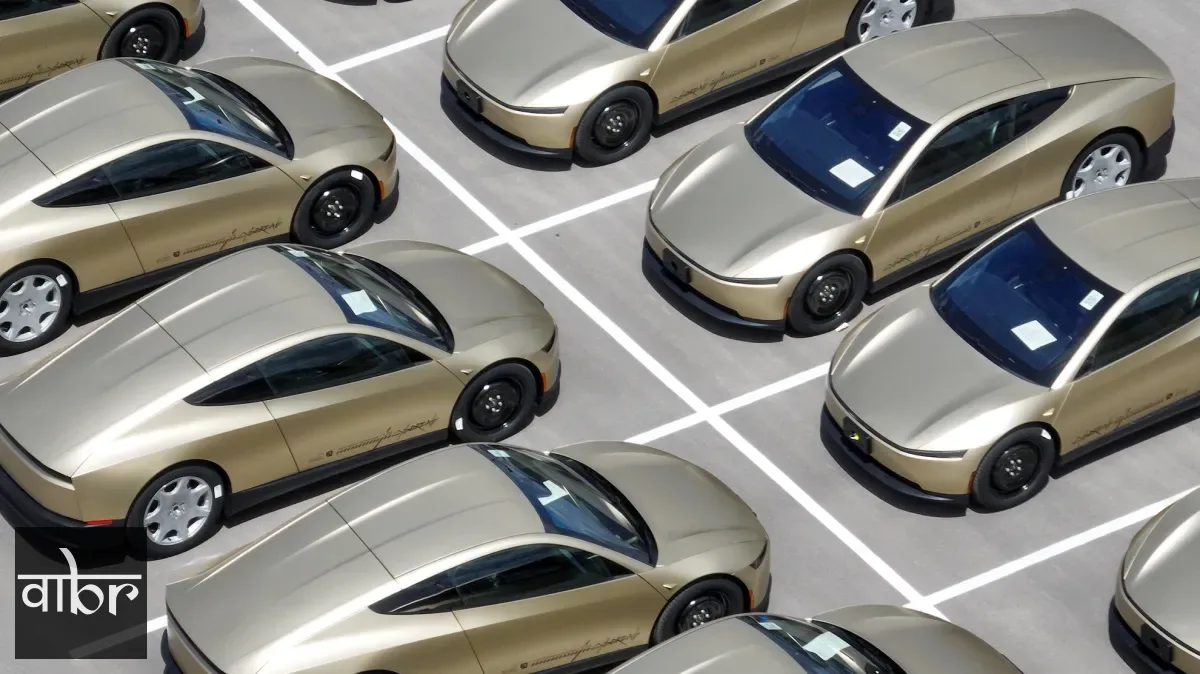
- Discover how Tesla is transforming the European EV market with a massive €3 billion Berlin gigafactory expansion dedicated to the autonomous Tesla Cybercab.
- Tesla Cybercab Berlin Expansion Fuels Massive €3B European Autonomous Push...
Tesla Cybercab Berlin Expansion Fuels Massive €3B European Autonomous Push
Tesla has officially signaled a profound shift in its global manufacturing and operational strategy by anchoring its next-generation driverless vehicle future squarely in the heart of Europe. Through a monumental upcoming €3 billion investment, the company is dramatically scaling up its operational footprint at the Berlin gigafactory specifically to integrate the production of the highly anticipated Tesla Cybercab. This decisive capital allocation represents not merely a physical factory upgrade, but a definitive ideological crossing of the Rubicon. By injecting billions into the Berlin gigafactory, Elon Musk’s automotive empire is pivoting decisively away from traditional consumer-only vehicles and charging headfirst into the lucrative, fiercely contested realm of autonomous transit.
As regulatory frameworks across the European Union begin to mature regarding autonomous vehicle manufacturing, the timing of this announcement could not be more critical. The European EV market has faced formidable headwinds, ranging from shifting subsidy landscapes to aggressive domestic competition from heritage German automakers. Yet, by committing unprecedented resources to the Berlin gigafactory, Tesla is betting that the future belongs not just to electric mobility, but to software-defined, driverless robotaxis. This deep-dive report examines the technological implications, market disruptions, and strategic horizons unlocked by the arrival of the Tesla Cybercab on European soil.
Deep Dive: Full Event Breakdown
The announcement surrounding the €3 billion infusion into the Berlin gigafactory sent immediate shockwaves through the global automotive sector. Industry insiders tracking the footprint of the Tesla Cybercab note that this capital expenditure will fund entirely new assembly lines, specialized cleanrooms for vision-processing hardware integration, and advanced stamping presses optimized for the unique, steering-wheel-free chassis of the Tesla Cybercab. Unlike previous vehicle iterations rolled out across the Berlin gigafactory, this expansion is architected from the ground up to support autonomous vehicle manufacturing at scale.
Furthermore, the scope of the project extends far beyond simple physical construction. Regional economic analysts point out that the massive €3B investment will generate thousands of specialized engineering and software development roles within the local Brandenburg economy. The integration of the Tesla Cybercab into the production queue requires specialized calibration facilities for AI neural networks and optical sensors, pushing the Berlin gigafactory to the bleeding edge of industrial automation. As workers prepare the plant floor for full-scale assembly, the overarching goal remains clear: cementing the Tesla Cybercab as the definitive standard-bearer for the burgeoning European robotaxi network.
Industry Impact & Strategic Implications
The ripple effects of upgrading the Berlin gigafactory to build the Tesla Cybercab will fundamentally alter the competitive dynamics of the European EV market. Traditional European automotive conglomerates have spent decades perfecting mechanical luxury and driving dynamics, but the arrival of the Tesla Cybercab challenges these legacy moats by prioritizing software orchestration, ride-sharing economics, and zero-occupant operational efficiency.
By leveraging the Berlin gigafactory for autonomous vehicle manufacturing, Tesla effectively bypasses prohibitive import tariffs and positions itself directly inside the regulatory perimeter of the European Union. This localized production strategy ensures that any future EU-wide directives favoring localized green tech will directly benefit the Tesla Cybercab ecosystem. Moreover, the scale of this €3B investment forces competitors to accelerate their own autonomous vehicle roadmaps, lest they cede the entire automated transportation sector to American dominance. The strategic integration of full self-driving software with hardware produced right at the Berlin gigafactory creates a formidable economic fortress that will be extraordinarily difficult for rivals to breach.
Technical / Market Analysis
From a purely engineering standpoint, the production architecture required for the Tesla Cybercab breaks entirely new ground. Because the vehicle lacks traditional steering wheels, pedals, and manual driver controls, the internal assembly protocols at the Berlin gigafactory must adapt to streamlined interior architectures. This minimalist cabin design drastically reduces component complexity, allowing the Berlin gigafactory to achieve unprecedented production velocities compared to legacy manufacturing lines.
Market analysts tracking the electric vehicle future emphasize that the unit economics of the Tesla Cybercab will fundamentally disrupt urban mobility pricing models. By manufacturing these vehicles locally through the expanded Berlin gigafactory, Tesla significantly slashes logistics and supply chain overhead. As the infrastructure for the robotaxi network expands across major European metropolitan areas, the low cost per mile enabled by the Tesla Cybercab will democratize autonomous transit. Consumers will no longer view personal vehicle ownership as the sole viable option, paving the way for a paradigm shift toward on-demand automated transportation.
What This Means for Consumers and Developers
For everyday consumers across Europe, the scaling of the Berlin gigafactory signals an imminent transition toward accessible, app-controlled autonomous transit. The deployment of the Tesla Cybercab will drastically reduce urban congestion, lower the cost of daily commuting, and redefine the urban landscape by reducing the demand for static parking infrastructure. Commuters can look forward to seamless app integration where summoning a Tesla Cybercab becomes as routine as ordering ride-sharing services today.
Concurrently, software developers and AI researchers stand to benefit immensely from the European expansion of the Berlin gigafactory. Tailoring full self-driving algorithms to navigate the complex, historic, and densely populated street layouts of European cities requires localized machine learning data. The presence of the Tesla Cybercab production hub ensures that continuous fleet learning will capture intricate European edge cases, rapidly improving safety metrics and regulatory compliance across the continent.
Key Takeaways (Detailed bullet points)
Massive Capital Injection: Tesla is pouring a transformative €3 billion into the Berlin gigafactory to facilitate large-scale autonomous vehicle manufacturing. Product Focus: The entire expansion is specifically designed to ramp up production of the steering-wheel-free Tesla Cybercab. Market Disruption: The European EV market faces an aggressive paradigm shift as affordable, software-driven robotaxis enter the commercial landscape. Regulatory Alignment: Localizing production within the Berlin gigafactory insulates Tesla from European trade barriers and strict localized sourcing requirements. Infrastructure Growth: The expansion bolsters the rollout of a comprehensive European robotaxi network, altering urban mobility forever.
The Road Ahead (Forward-looking conclusion)
The commitment to turn the Berlin gigafactory into a powerhouse for the Tesla Cybercab marks a defining milestone in the history of modern transportation. As construction gets underway and the first batches of autonomous vehicles roll off the upgraded assembly lines, the electric vehicle future looks increasingly automated, shared, and software-centric. By betting heavily on the Tesla Cybercab through this historic European expansion, Tesla is not merely building another factory; it is laying the foundational infrastructure for the next century of human mobility. The success of the Berlin gigafactory in executing this vision will ultimately determine whether autonomous transit becomes a global reality or remains a distant promise.
Strategic Industry Takeaways & Future Outlook
Key factors influencing this sector also include Tesla expansion , each playing an essential role in ongoing development and implementation.
📌 Related Briefings & Stories
Trump Defends Ex-Nvidia CEO Jensen Huang Over Alleged Spy Affair Cybersecurity AI startup Corma Hits $1B Valuation in Just Three Months California AG Sues OpenAI Over Rogue Agent Incidents in Landmark Tech Lawsuit
Varta Brief Team
· Newsroom DeskReported, verified, and published by the Varta Brief editorial desk with an uncompromising commitment to primary-source verification and independent journalism.
Related Dispatches
More in Technology →
Amazon Decart Acquisition Signals Bold Move to Challenge Nvidia AI Dominance
Amazon buys Decart for $7.5B to optimize Trainium silicon and reshuffle the Nvidia AI chip race across enterprise cloud computing infrastructure.

Nvidia Board Governance Tested as Jensen Huang Discloses Additional Affairs
A detailed investigation into how revelations around Jensen Huang leadership impact corporate stability, chip markets, and Nvidia's standing with investors.

GTA 6 Sets Historic Record as the Biggest Launch in PlayStation History
Discover how GTA 6 became the biggest launch in PlayStation history, shattering records and reshaping the modern gaming landscape with unprecedented sales.