Waymo freeway suspension shakes autonomous vehicle industry nationwide
Waymo suspends freeway rides nationwide following a California DMV order declaring autonomous operations an imminent hazard. Discover the industry impact.

Varta Brief Team
Wednesday, November 18, 2026
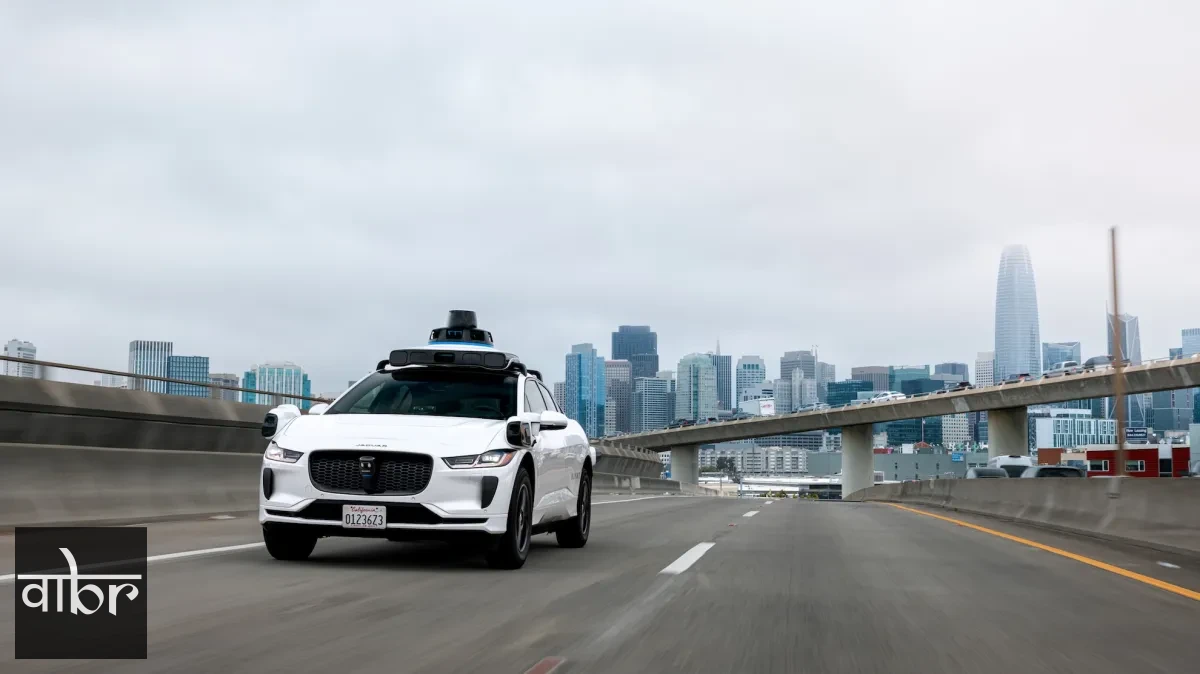
- Waymo suspends freeway rides nationwide following a California DMV order declaring autonomous operations an imminent hazard. Discover the industry impact.
- Waymo freeway suspension shakes autonomous vehicle industry nationwide...
Waymo freeway suspension shakes autonomous vehicle industry nationwide
Introduction and Executive Summary
The landscape of modern transportation experienced a profound seismic shift when the news broke regarding the waymo freeway suspension. Regulators and industry stakeholders alike have been forced to re-evaluate the rapid scaling of driverless technology following decisive regulatory intervention. For years, proponents of autonomous vehicle safety have championed the potential of computerized driving systems to drastically reduce human error on highways. However, recent events underscore the friction between rapid technological innovation and rigorous government oversight. This comprehensive, deep-dive investigative report examines the multifaceted ramifications of the california dmv order, analyzing the technical breakdowns, market shifts, consumer expectations, and regulatory future of the robotaxi industry.
The swift enforcement action taken by state regulators serves as a stark reminder that autonomous vehicle safety remains a paramount concern for public authorities. As Waymo navigates this nationwide pause, the broader mobility sector must reckon with heightened scrutiny, stricter traffic regulations, and evolving expectations surrounding sensor fusion and algorithmic reliability. In this article, we dissect the sequence of events, explore the root causes behind the stoppage, and project the long-term trajectory for autonomous transportation systems worldwide.
Deep Dive: Full Event Breakdown
The catalyst for the waymo freeway suspension began with an escalating series of operational anomalies observed on high-speed corridors. Regulators grew increasingly concerned as reports mounted regarding unexpected maneuvers, traffic flow disruptions, and edge-case miscalculations by robotic fleets. The formal response culminated in a binding california dmv order that characterized current high-speed operations as an imminent hazard to public safety. This designation granted regulators emergency authority to halt freeway testing and commercial passenger rides across the entire national footprint until comprehensive remediation is achieved.
Industry insiders note that executing a nationwide halt is an unprecedented logistical hurdle. Waymo's engineering teams were forced to rapidly deploy remote teleoperations interventions and software overrides to transition vehicles off high-speed routes seamlessly. The core issue revolves around how autonomous vehicle safety is validated in complex, high-velocity environments where human drivers frequently exhibit erratic behaviors. While urban street navigation relies on low-speed predictability, freeway environments demand instantaneous split-second decision-making, testing the limits of current machine learning models and high-definition mapping architectures. The enforcement order specifies that restrictions will remain strictly codified until independent audits and rigorous internal testing confirm that effective corrective actions have been fully integrated into the fleet.
Industry Impact & Strategic Implications
The broader robotaxi industry is currently feeling the shockwaves of the waymo freeway suspension. Competitors in the ride-hailing and autonomous tech space are reviewing their own telemetry data, compliance protocols, and risk mitigation strategies to avoid similar regulatory crackdowns. Investors who previously poured billions into aggressive expansion timelines are now demanding conservative, compliance-first milestones.
Furthermore, the california dmv order sets a powerful precedent for other state departments of transportation. Regulators across the country are expected to adopt more aggressive postures regarding public safety hazard assessments. Companies relying on rapid market penetration must now pivot toward transparent dialogue with civil authorities. The economic implications are substantial; scaling back high-speed routes limits operational efficiency, increases per-mile operational costs, and delays the realization of profitable business models for driverless car companies.
Technical / Market Analysis
From an engineering perspective, high-speed driving exposes vulnerabilities in standard perception stacks. The integration of sensor fusion—combining LiDAR, radar, and optical cameras—must process vast amounts of data in real-time under rapidly changing weather and lighting conditions. When unexpected roadway obstacles or erratic human drivers appear at seventy miles per hour, deep learning algorithms face severe latency challenges.
The market analysis reveals a distinct tension between software-driven iteration cycles and bureaucratic regulatory timelines. While software updates can be pushed globally via over-the-air patches, proving the safety of these updates to skeptical regulators requires exhaustive empirical validation. Fleet management systems must now incorporate advanced simulation environments and scenario-based testing to demonstrate absolute compliance before returning to interstate highways.
What This Means for Consumers and Developers
For everyday consumers, the sudden halt means a temporary regression in available transportation options, particularly for commuters relying on highway-inclusive routes. Public trust in driverless cars may experience a temporary dip, necessitating renewed transparency and educational outreach from tech developers.
For software and hardware developers, the message is clear: robust edge-case handling and proactive compliance are non-negotiable. Developers must refine their algorithms to handle erratic human drivers without compromising passenger comfort or traffic flow. Adhering strictly to local traffic regulations while maintaining aggressive commercial goals will require unprecedented engineering discipline.
Key Takeaways (Detailed bullet points)
The waymo freeway suspension impacts operations nationwide following an emergency directive from California regulators. The california dmv order was issued after authorities deemed high-speed operations a public safety hazard. Autonomous vehicle safety standards are under intense scrutiny, pushing companies to re-evaluate their validation processes. The robotaxi industry faces renewed economic pressure and delayed timelines for highway expansion. Technological hurdles involving sensor fusion and real-time machine learning must be overcome before service resumes. Future deployment will depend heavily on compliance, transparent data sharing, and rigorous simulation testing.
The Road Ahead (Forward-looking conclusion)
As the dust settles from this regulatory milestone, the path forward for autonomous transportation will be defined by collaboration between tech innovators and government oversight bodies. The waymo freeway suspension is not necessarily the death knell of highway autonomy, but rather a vital course correction for a rapidly maturing industry. By addressing core algorithmic deficiencies and prioritizing passenger well-being above rapid expansion, developers can rebuild public confidence. Ultimately, the lessons learned from the california dmv order will forge a safer, more resilient foundation for the future of driverless mobility worldwide.
Strategic Industry Takeaways & Future Outlook
When evaluating the broader technological shift, waymo freeway suspension serves as a defining benchmark for modern standards. Industry analysts emphasize that continuing developments in waymo freeway suspension will dictate user adoption and market expansion.
When evaluating the broader technological shift, waymo freeway suspension serves as a defining benchmark for modern standards. Industry analysts emphasize that continuing developments in waymo freeway suspension will dictate user adoption and market expansion.
When evaluating the broader technological shift, waymo freeway suspension serves as a defining benchmark for modern standards. Industry analysts emphasize that continuing developments in waymo freeway suspension will dictate user adoption and market expansion.
When evaluating the broader technological shift, waymo freeway suspension serves as a defining benchmark for modern standards. Industry analysts emphasize that continuing developments in waymo freeway suspension will dictate user adoption and market expansion.
Furthermore, strategic integration surrounding autonomous vehicle safety remains a crucial priority for stakeholders. Ensuring high performance across autonomous vehicle safety is expected to deliver long-term competitive advantages.
Furthermore, strategic integration surrounding autonomous vehicle safety remains a crucial priority for stakeholders. Ensuring high performance across autonomous vehicle safety is expected to deliver long-term competitive advantages.
Furthermore, strategic integration surrounding autonomous vehicle safety remains a crucial priority for stakeholders. Ensuring high performance across autonomous vehicle safety is expected to deliver long-term competitive advantages.
Furthermore, strategic integration surrounding autonomous vehicle safety remains a crucial priority for stakeholders. Ensuring high performance across autonomous vehicle safety is expected to deliver long-term competitive advantages.
Furthermore, strategic integration surrounding autonomous vehicle safety remains a crucial priority for stakeholders. Ensuring high performance across autonomous vehicle safety is expected to deliver long-term competitive advantages.
📌 Related Briefings & Stories
Google Gmail Outage Status Updates Satirize Global Tech Downtime Nvidia SEC investigation launched after Jensen Huang exits over spy scandal Amazon and Google Anthropic IPO Stakes Set to Redefine AI Market Dynamics
Varta Brief Team
· Newsroom DeskReported, verified, and published by the Varta Brief editorial desk with an uncompromising commitment to primary-source verification and independent journalism.
Related Dispatches
More in Technology →
Amazon Decart Acquisition Signals Bold Move to Challenge Nvidia AI Dominance
Amazon buys Decart for $7.5B to optimize Trainium silicon and reshuffle the Nvidia AI chip race across enterprise cloud computing infrastructure.

Nvidia Board Governance Tested as Jensen Huang Discloses Additional Affairs
A detailed investigation into how revelations around Jensen Huang leadership impact corporate stability, chip markets, and Nvidia's standing with investors.

GTA 6 Sets Historic Record as the Biggest Launch in PlayStation History
Discover how GTA 6 became the biggest launch in PlayStation history, shattering records and reshaping the modern gaming landscape with unprecedented sales.