Grammy video game nominations spark debate over vocal soundtracks
Discover how Grammy video game nominations spark industry debate as indie developers question academy preferences against vocal tracks in game scores.

Varta Brief Team
Tuesday, November 17, 2026

- Discover how Grammy video game nominations spark industry debate as indie developers question academy preferences against vocal tracks in game scores.
- The intersection of interactive entertainment and high-art musical recognition has always been fraught with complex creative boundaries. As the digital entertainment landscape matu...
The intersection of interactive entertainment and high-art musical recognition has always been fraught with complex creative boundaries. As the digital entertainment landscape matures, industry observers increasingly scrutinize how mainstream cultural institutions evaluate interactive audio. Recently, the announcement of the latest grammy video game nominations has ignited a passionate debate across the development community, shedding light on potential systemic biases within traditional music evaluation frameworks.
While the introduction of dedicated categories for interactive media has been widely celebrated as a monumental step forward, creators are discovering that bridging the gap between traditional orchestral scoring and modern ludic soundscapes is far from seamless. At the heart of this controversy lies a poignant critique from independent creators who argue that the established paradigm struggles to fairly assess non-traditional compositions, particularly those featuring prominent lyrical performances.
Deep Dive: Full Event Breakdown
The annual process of determining grammy video game nominations involves navigating a labyrinthine set of eligibility criteria, technical definitions, and voting member biases. For decades, the Recording Academy built its reputation on evaluating standalone albums, cinematic film scores, and traditional song structures. When the organization formally expanded its reach to embrace the interactive medium, it attempted to fold complex, adaptive auditory experiences into existing evaluation frameworks.
During this year's submission cycle, the conversation took a sharp turn when developers behind rhythm-driven and narrative-heavy indie titles voiced their frustrations. Specifically, the creators of the rhythm adventure game Unbeatable lamented that their submission faced rejection or dismissal due to its heavy reliance on vocal-driven tracks. According to these developers, the traditional mindset within the recording academy often views songs with prominent lyrics as belonging exclusively to pop, rock, or musical theater categories, rather than functioning as integral components of a cohesive video game soundtrack.
This friction highlights a profound philosophical disconnect. In modern interactive media, a video game soundtrack is rarely a static collection of background instrumentals. Instead, contemporary game audio design frequently utilizes dynamic vocal performances to drive narrative arcs, signal player states, and emotionalize gameplay moments. When academy voters approach a video game soundtrack with expectations shaped entirely by linear cinematic scoring, projects featuring innovative vocal arrangements risk falling through the cracks of rigid genre definitions.
Industry Impact & Strategic Implications
The ripple effects of this controversy extend far beyond a single disappointed development team. As indie game development continues to push artistic boundaries, creators rely on mainstream recognition to validate their craft, attract investment, and expand their audiences. When prestigious accolades like the grammy video game nominations inadvertently sideline specific creative choices, it can inadvertently incentivize composers to homogenize their work to fit conventional molds.
Industry analysts note that music industry awards hold immense commercial power. A nomination or a win can instantly elevate an independent title into mainstream cultural consciousness, driving substantial sales for both the game and its companion vinyl or digital releases. However, if the current award submission guidelines remain misaligned with the realities of modern interactive composition, smaller studios pioneering innovative audio experiences may find themselves locked out of high-profile recognition.
Furthermore, this situation challenges the recording academy to rapidly evolve its educational initiatives for voting members. Many traditional music professionals still harbor outdated perceptions of interactive entertainment, viewing it as simplistic bleeps and bloops rather than sophisticated art. Overcoming this cultural hurdle requires concerted advocacy from the game composer community and proactive updates to award submission guidelines to explicitly protect and encourage diverse compositional styles, including vocal heavy scores.
Technical / Market Analysis
From a technical perspective, evaluating interactive audio poses a unique challenge that linear film scoring simply does not share. A traditional cinematic score is authored to match a locked picture, maintaining a fixed timing and emotional trajectory. Conversely, a video game soundtrack is often built on modular components, utilizing middleware like Wwise or FMOD to adapt dynamically to player inputs.
When these adaptive scores incorporate lyrical tracks, the complexity multiplies. A vocal track in a game might be triggered by a specific combat milestone, a dialogue choice, or a successful rhythm input, blending seamlessly with interactive instrumentation. Traditional music evaluators listening to a static compilation album submitted for grammy video game nominations may miss the contextual brilliance of how these vocal elements function within the live interactive loop.
Market data demonstrates that consumers increasingly value game audio outside the primary software experience. Streaming numbers for game tracks on platforms like Spotify and Apple Music have surged exponentially over the past five years. Consumers actively seek out vocal-heavy game anthems, building dedicated playlists that rival mainstream pop charts. Consequently, the academy's apparent hesitation to embrace these vocal-centric compositions represents a notable disconnect between institutional prestige and genuine consumer listening habits in the broader music industry awards landscape.
What This Means for Consumers and Developers
For everyday consumers, this ongoing discourse underscores the growing cultural legitimacy of interactive entertainment. Players who have long recognized the emotional depth of their favorite digital experiences are eager to see those contributions honored on parity with film and television.
For independent and AAA developers alike, the fallout from this year's grammy video game nominations serves as a strategic wake-up call. Studios must become more proactive in how they package, market, and submit their audio assets for consideration. This means carefully curating submission albums to bridge the gap between interactive functionality and traditional listening formats without compromising their artistic vision.
Collaborative dialogue between developers, publishers, and the academy will be crucial in shaping future eligibility rules. Ensuring that interactive entertainment music is evaluated fairly will ultimately benefit the entire creative ecosystem, fostering an environment where bold experimentation is rewarded rather than penalized.
Key Takeaways (Detailed bullet points)
The recent rollout of grammy video game nominations has sparked intense industry debate regarding the fair evaluation of innovative game scores. Independent developers, notably the team behind Unbeatable, have criticized the recording academy for alleged biases against vocal-heavy compositions. Traditional evaluation frameworks often struggle to comprehend the dynamic, adaptive nature of modern interactive entertainment music. Game audio design frequently utilizes vocal tracks to drive gameplay mechanics and narrative emotional arcs, complicating linear classification. Modern music industry awards must update their award submission guidelines to better reflect the diverse sonic landscape of indie game development. Streaming data confirms that consumers enthusiastically embrace vocal-centric tracks from video game soundtracks, often mirroring mainstream pop consumption.
The Road Ahead (Forward-looking conclusion)
As interactive media continues to anchor itself as the dominant cultural medium of the 21st century, the institutions tasked with honoring its artistic achievements must evolve in tandem. The friction surrounding recent grammy video game nominations should not be viewed merely as an isolated grievance, but rather as a growing pain in the ongoing legitimation of digital art.
By fostering open communication between the recording academy and the global game composer community, future cycles can establish more inclusive, technically literate evaluation standards. Only by embracing the full spectrum of sonic expression—from pure orchestral arrangements to boundary-pushing vocal heavy scores—can these prestigious awards truly reflect the vibrant reality of contemporary interactive entertainment.
Strategic Industry Takeaways & Future Outlook
When evaluating the broader technological shift, grammy video game nominations serves as a defining benchmark for modern standards. Industry analysts emphasize that continuing developments in grammy video game nominations will dictate user adoption and market expansion.
When evaluating the broader technological shift, grammy video game nominations serves as a defining benchmark for modern standards. Industry analysts emphasize that continuing developments in grammy video game nominations will dictate user adoption and market expansion.
When evaluating the broader technological shift, grammy video game nominations serves as a defining benchmark for modern standards. Industry analysts emphasize that continuing developments in grammy video game nominations will dictate user adoption and market expansion.
When evaluating the broader technological shift, grammy video game nominations serves as a defining benchmark for modern standards. Industry analysts emphasize that continuing developments in grammy video game nominations will dictate user adoption and market expansion.
When evaluating the broader technological shift, grammy video game nominations serves as a defining benchmark for modern standards. Industry analysts emphasize that continuing developments in grammy video game nominations will dictate user adoption and market expansion.
When evaluating the broader technological shift, grammy video game nominations serves as a defining benchmark for modern standards. Industry analysts emphasize that continuing developments in grammy video game nominations will dictate user adoption and market expansion.
Furthermore, strategic integration surrounding video game soundtrack remains a crucial priority for stakeholders. Ensuring high performance across video game soundtrack is expected to deliver long-term competitive advantages.
Furthermore, strategic integration surrounding video game soundtrack remains a crucial priority for stakeholders. Ensuring high performance across video game soundtrack is expected to deliver long-term competitive advantages.
Furthermore, strategic integration surrounding video game soundtrack remains a crucial priority for stakeholders. Ensuring high performance across video game soundtrack is expected to deliver long-term competitive advantages.
Furthermore, strategic integration surrounding video game soundtrack remains a crucial priority for stakeholders. Ensuring high performance across video game soundtrack is expected to deliver long-term competitive advantages.
Furthermore, strategic integration surrounding video game soundtrack remains a crucial priority for stakeholders. Ensuring high performance across video game soundtrack is expected to deliver long-term competitive advantages.
Furthermore, strategic integration surrounding video game soundtrack remains a crucial priority for stakeholders. Ensuring high performance across video game soundtrack is expected to deliver long-term competitive advantages.
Furthermore, strategic integration surrounding video game soundtrack remains a crucial priority for stakeholders. Ensuring high performance across video game soundtrack is expected to deliver long-term competitive advantages.
📌 Related Briefings & Stories
US Tightens AI Chip Export Controls to Block Remote Compute Access Unity Acquisition Rumors Addressed by Executives Amid Strong Results Audible AI book discovery transforms the way we find audiobooks online
Varta Brief Team
· Newsroom DeskReported, verified, and published by the Varta Brief editorial desk with an uncompromising commitment to primary-source verification and independent journalism.
Related Dispatches
More in Gaming →
Why Mundane Video Game Design Is Driving the Next Era of GTA VI and WoW
Discover how immersive gaming downtime in Grand Theft Auto VI and World of Warcraft signals a major shift toward quiet moments in modern AAA titles.

GTA 6 Weekend Sales Crush Eras Tour and Shatter Gaming Records
GTA 6 smashes sales records, outperforming Taylor Swift's tour and major films while driving gaming industry revenue to unprecedented global heights.
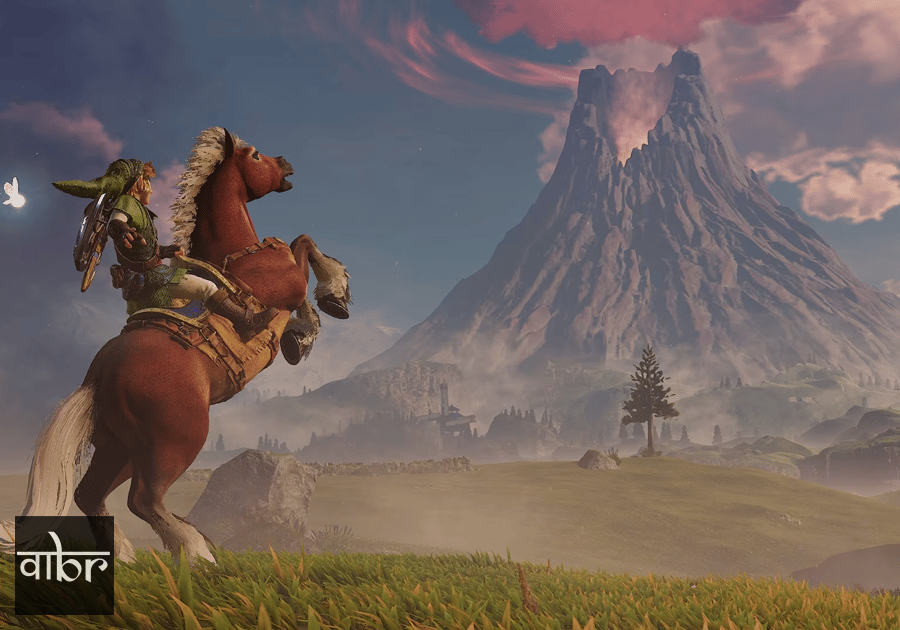
How Ocarina of Time Remake Shapes Junior Game Developers at Nintendo
Nintendo's strategy leverages iconic titles to train junior game developers, instilling core design mechanics while building future Zelda games.