Why the Ocarina of Time Remake Will Get a GOTY Nomination But Lose
An in-depth analysis of why a Game of the Year nomination for Zelda on Switch 2 won't translate into an ultimate win at The Game Awards.

Varta Brief Team
Sunday, November 8, 2026
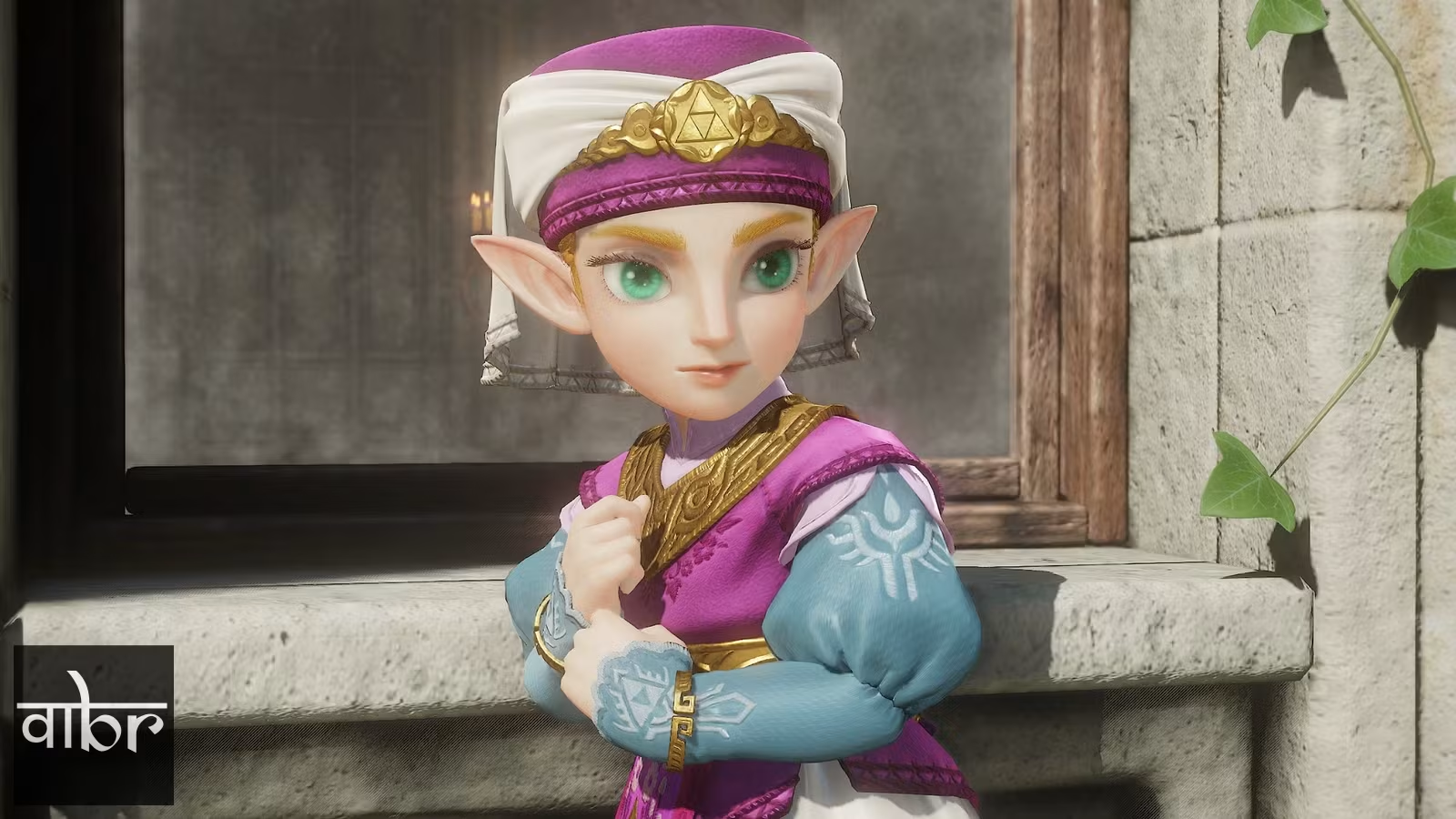
- An in-depth analysis of why a Game of the Year nomination for Zelda on Switch 2 won't translate into an ultimate win at The Game Awards.
- As next-generation hardware rumors solidify into concrete market strategies, chatter within the interactive entertainment industry has shifted toward how legacy masterpieces will f...
As next-generation hardware rumors solidify into concrete market strategies, chatter within the interactive entertainment industry has shifted toward how legacy masterpieces will fare under modern critical scrutiny. Speculation surrounding a potential Ocarina of Time remake for the upcoming Nintendo Switch 2 platform has ignited passionate debates among critics, historians, and market analysts. While Nintendo's legendary title established fundamental 3D design paradigms that still dictate action-adventure games today, its eventual modernized return faces a complex critical landscape. Analysts widely agree that while the project is all but guaranteed to earn a Game of the Year nomination, the top prize at major industry events will likely remain just out of reach.
The tension lies at the intersection of historical reverence and contemporary innovation. Delivering an Ocarina of Time remake allows Nintendo to demonstrate the advanced capabilities of the Nintendo Switch 2 while leveraging deep gaming nostalgia. However, the modern award circuit—most prominently highlighted by The Game Awards—has increasingly prioritized ground-up original intellectual properties and radical mechanical reinventions over updated classics. Consequently, securing a Game of the Year nomination represents both a celebration of timeless design and a ceiling for how far remakes can push past industry boundaries.
Deep Dive: Full Event Breakdown
The institutional mechanics of modern awarding bodies present a unique paradox for video game remakes. When evaluating an Ocarina of Time remake, voting juries are tasked with separating historical significance from current technical achievement. There are several structural reasons an Ocarina of Time remake will captivate voters immediately upon release:
Architectural Legacy: The original 1998 release defined target lock-on systems, contextual button actions, and spatial exploration across Hyrule. Modern Refinement: Advanced lighting, ray tracing, and enhanced frame rates on new hardware elevate the sensory experience to competitive modern standards. Critical Baseline: The title carries an unmatched historical reputation that naturally guarantees widespread editorial coverage and high review aggregates.
Nevertheless, when juries cast final ballots, discussions regarding why a Game of the Year nomination rarely converts into a grand victory often cite implicit voting bias. Juries historically hesitate to award the overall top prize to titles whose foundational structure was established decades prior. Thus, while earning a Game of the Year nomination is almost a formality due to artistic excellence, crossing the threshold to claim the ultimate trophy requires breaking through ingrained critical reluctance.
Industry Impact & Strategic Implications
The strategic launch of an Ocarina of Time remake on new platform hardware serves a dual purpose for Nintendo. Beyond immediate software revenues, it establishes hardware capabilities while preserving the broader franchise legacy. The project reinforces Nintendo's ability to monetize historical catalog assets while maintaining high industry prestige.
Industry analysts examining the Ocarina of Time remake note that a guaranteed Game of the Year nomination validates the project's craftsmanship without requiring radical story restructuring. However, competing against contemporary titles designed from scratch poses distinct challenges. Modern voters tend to favor narrative risks and novel gameplay loops over familiar nostalgia, regardless of how flawlessly executed the remake may be.
Furthermore, the prospect of an Ocarina of Time remake competing against unannounced ground-up blockbusters creates an asymmetric battle field. While a Game of the Year nomination highlights artistic craftsmanship, critics frequently reserve victory for experiences that push the entire medium into uncharted territory.
Technical / Market Analysis
From a technical perspective, rebuilding a classic game requires balancing fidelity with authenticity. Technical analysis of an Ocarina of Time remake reveals how state-of-the-art physics engine integrations, high-fidelity texture rendering, and spatial audio can revitalize classic environments without disrupting original pacing. Despite these achievements, receiving a Game of the Year nomination typically rewards pioneering innovation rather than structural preservation.
Market data from past award cycles demonstrates a clear trend regarding remakes:
High Review Aggregates: Rebuilt classics routinely score above 90 on Metacritic, easily clearing the threshold for main category consideration. Broad Category Nominations: Titles frequently earn nods for Audio Design, Art Direction, and Visual Achievement. Ultimate Category Ceiling: Converting a Game of the Year nomination into an overall win remains exceptionally rare when original contenders are present.
This analytical dynamic underscores why an Ocarina of Time remake can dominate sales charts and critical praise while still falling short of the top award. The market values preservation, but awards bodies prioritize pioneering forward movement.
What This Means for Consumers and Developers
For consumers, the arrival of an Ocarina of Time remake promises an ideal bridge between generational gaps, offering long-time fans premium fidelity while introducing classic game design to younger audiences. The presence of a Game of the Year nomination serves as a reliable stamp of quality, signaling that the updated release meets rigorous technical standards.
For developers, the Ocarina of Time remake illustrates the delicate balance required when updating legacy software. It shows that while a Game of the Year nomination elevates platform visibility, commercial success and critical acclaim do not depend entirely on taking home the main trophy. Mastering this balance allows studios to respect historical origins while delivering polished experiences that justify premium pricing.
Ultimately, understanding the limits of a Game of the Year nomination helps manage expectations. A game does not need to win the main prize to validate its significance, especially when its base design already shaped the history of gaming.
Key Takeaways
Guaranteed Recognition: An Ocarina of Time remake is virtually assured a Game of the Year nomination due to its foundational influence and high production values. The Ceiling of Remakes: Voting bodies at events like The Game Awards inherently favor brand-new intellectual properties over reimagined classics for top honors. Hardware Showpiece: The project will serve as an essential technical showcase for the Nintendo Switch 2, demonstrating graphical and performance upgrades. Cultural Impact: Leveraging gaming nostalgia allows Nintendo to maintain its franchise legacy while introducing iconic adventures to new player demographics. Industry Validation: Securing a Game of the Year nomination reinforces high industry prestige regardless of whether the title captures the final trophy.
The Road Ahead
As the release of next-generation hardware approaches, the conversation around the Ocarina of Time remake will continue to evolve. Nintendo's track record proves that refined classics can dominate public interest and achieve massive commercial success regardless of award ceremony outcomes. While achieving a Game of the Year nomination remains a towering achievement, the true measure of the game's success lies in its enduring cultural footprint.
In the final analysis, the distinction of a Game of the Year nomination reinforces Nintendo's market dominance and celebrates one of interactive entertainment's greatest achievements. Even if the top trophy goes to a contemporary original title, the Ocarina of Time remake will solidify its place as a masterclass in game preservation and technical modernization.
Strategic Industry Takeaways & Future Outlook
When evaluating the broader technological shift, Ocarina of Time remake serves as a defining benchmark for modern standards. Industry analysts emphasize that continuing developments in Ocarina of Time remake will dictate user adoption and market expansion.
When evaluating the broader technological shift, Ocarina of Time remake serves as a defining benchmark for modern standards. Industry analysts emphasize that continuing developments in Ocarina of Time remake will dictate user adoption and market expansion.
Furthermore, strategic integration surrounding Game of the Year nomination remains a crucial priority for stakeholders. Ensuring high performance across Game of the Year nomination is expected to deliver long-term competitive advantages.
📌 Related Briefings & Stories
Ninja AutoBarista Review: Powerful Smart Tech Meets a Dealbreaker Flaw Assassin's Creed Hexe Delayed As Massive Ubisoft Pipeline Leaks Emerge Cairn Game Bakers Interview: A Grand Adventure in Survival
Varta Brief Team
· Newsroom DeskReported, verified, and published by the Varta Brief editorial desk with an uncompromising commitment to primary-source verification and independent journalism.
Related Dispatches
More in Gaming →
Why Mundane Video Game Design Is Driving the Next Era of GTA VI and WoW
Discover how immersive gaming downtime in Grand Theft Auto VI and World of Warcraft signals a major shift toward quiet moments in modern AAA titles.

GTA 6 Weekend Sales Crush Eras Tour and Shatter Gaming Records
GTA 6 smashes sales records, outperforming Taylor Swift's tour and major films while driving gaming industry revenue to unprecedented global heights.
How Ocarina of Time Remake Shapes Junior Game Developers at Nintendo
Nintendo's strategy leverages iconic titles to train junior game developers, instilling core design mechanics while building future Zelda games.