Outriders: How Square Enix's Forgotten Loot-Shooter Was Ahead of Its Time
Discover why Square Enix's Outriders remains an underrated masterpiece. Explore how this forgotten looter shooter revolutionized cooperative gaming.

Varta Brief Team
Friday, October 9, 2026

- Discover why Square Enix's Outriders remains an underrated masterpiece. Explore how this forgotten looter shooter revolutionized cooperative gaming.
- Outriders: How Square Enix's Forgotten Loot-Shooter Was Ahead of Its Time...
Outriders: How Square Enix's Forgotten Loot-Shooter Was Ahead of Its Time
In the sprawling landscape of modern entertainment, few genres have experienced the turbulent boom-and-bust cycle quite like the multiplayer shooter space. When developer People Can Fly and publisher Square Enix unleashed their ambitious title onto the global market in 2021, the gaming community was firmly entrenched in the live-service gold rush. Every major publisher was frantically attempting to capture the elusive magic of an eternal game—a digital ecosystem where players would log in daily for years. Yet, amidst this crowded battlefield, Outriders loot-shooter DNA stood apart by boldly rejecting the very foundations of the live-service model. Published by Square Enix, the game offered a complete, self-contained cooperative experience that prioritized high-octane action over endless grinding loops.
Today, as players grow increasingly exhausted by perpetual monetization schedules and incomplete seasonal updates, the initial launch of this misunderstood Outriders loot-shooter looks less like a misfire and more like a visionary blueprint. By examining the structural integrity of Square Enix's bold release, modern critics and veteran gamers alike are beginning to realize that the Outriders loot-shooter concept was years ahead of its time. This comprehensive retrospective investigates the mechanical triumphs, industry implications, and lasting legacy of a title that dared to be finished on day one.
Deep Dive: Full Event Breakdown
To truly appreciate the engineering behind the Outriders loot-shooter phenomenon, one must examine the chaotic climate of its release window. Developed by People Can Fly, a studio renowned for high-impact action titles, the project combined the aggressive pacing of a third-person shooter with the intricate buildcrafting of an action role-playing game. Unlike contemporaries that required constant internet connections for solo play or doled out gear at a painfully sluggish rate to artificially inflate player engagement metrics, the Outriders loot-shooter experience embraced a delightfully unabashed power fantasy.
From the moment players selected one of the four unique classes—Trickster, Pyromancer, Technomancer, or Devastator—the game communicated a clear philosophy: you are not a weak survivor; you are an altered god of war. The core combat loop of the Outriders loot-shooter replaced traditional cover-based mechanics with aggressive health-regeneration systems tied to class-specific abilities. Hiding behind a wall meant certain death in the Outriders loot-shooter framework; instead, survival demanded relentless forward momentum. Square Enix backed this bold vision with a robust narrative campaign that completely eschewed the traditional drip-feed storytelling of modern multiplayer titles, delivering a definitive beginning, middle, and end right out of the box.
Industry Impact & Strategic Implications
When Square Enix greenlit the project, the traditional games industry was shifting decisively toward games-as-a-service models. Publishers wanted continuous revenue streams, leading to a glut of half-baked titles that relied on roadmap promises rather than substantive launch content. The Outriders loot-shooter strategy pushed back against this corporate trend by offering a complete package for a standard retail price. Square Enix demonstrated that players were starved for experiences that respected their time, a lesson that many triple-A studios are still struggling to internalize.
Furthermore, the success of the Outriders loot-shooter blueprint highlighted a significant fracture in modern consumer preferences. While live-service giants commanded massive player counts, they also bred intense live-service fatigue among core demographics. By delivering a tight, highly replayable cooperative experience without predatory microtransactions at launch, Square Enix proved that there is a sustainable market for premium, finite cooperative adventures. The ripple effects of this release can be seen in subsequent medium-sized releases that prioritize depth and completion over endless engagement metrics.
Technical / Market Analysis
From a mechanical perspective, the Outriders loot-shooter engine managed complex server-client synchronizations despite notoriously rocky server stability during its opening weeks. People Can Fly engineered a world tier system that allowed players to manually or automatically scale the difficulty of the game based on their current gear score and skill level. This system prevented the repetitive level-gating seen in other titles, allowing users to experiment freely with weapon mods, status effects, and legendary armor sets.
From a market perspective, the financial trajectory of the Outriders loot-shooter property offers fascinating insights into modern publisher expectations. While Square Enix noted that the title took time to turn a profit, the digital storefront longevity of the Outriders loot-shooter proved that high-quality, complete packages achieve steady long-tail sales. As production costs skyrocket across the video game industry, the modular, focused scope of this release serves as an economically viable alternative to bloated, nine-figure live-service gambles.
What This Means for Consumers and Developers
For consumers, the enduring legacy of the Outriders loot-shooter serves as a reminder to value complete, player-first experiences over the empty promises of eternal roadmaps. When players purchase a game published by Square Enix or any other major publisher, they increasingly look for immediate value rather than an investment in a future state.
For developers, the Outriders loot-shooter framework provides a masterclass in designing satisfying power curves and impactful cooperative multiplayer mechanics. By prioritizing immediate gameplay gratification over prolonged grind loops, creators can foster a deeply loyal community without resorting to manipulative psychological retention tactics.
Key Takeaways
Complete Launch Model: Square Enix delivered a fully realized, self-contained campaign without relying on eternal live-service roadmaps. Aggressive Combat Loop: The Outriders loot-shooter successfully redefined third-person combat by replacing passive cover mechanics with health-on-kill mechanics. Build Diversity: Four distinct classes offered deep synergistic potential within cooperative multiplayer sessions. Industry Relevance: The title proved that consumers actively crave premium, finite experiences to combat modern live-service fatigue. Long-Term Value: Steady post-launch support, including the Worldslayer expansion, further refined the core Outriders loot-shooter endgame loop.
The Road Ahead (Forward-looking conclusion)
As the interactive entertainment sector continues to grapple with soaring development budgets and shifting consumer habits, the historical footprint of the Outriders loot-shooter remains an invaluable case study. Square Enix and People Can Fly took a calculated risk on a complete, unapologetic cooperative experience at a time when the entire industry was chasing ephemeral trends. While the initial hype has settled and the player base has evolved, the core design tenets of the Outriders loot-shooter continue to influence discerning developers who understand that respect for the player's time is the ultimate competitive advantage in modern gaming.
Strategic Industry Takeaways & Future Outlook
Furthermore, strategic integration surrounding Square Enix remains a crucial priority for stakeholders. Ensuring high performance across Square Enix is expected to deliver long-term competitive advantages.
Furthermore, strategic integration surrounding Square Enix remains a crucial priority for stakeholders. Ensuring high performance across Square Enix is expected to deliver long-term competitive advantages.
Key factors influencing this sector also include modern gaming trends , game design , each playing an essential role in ongoing development and implementation.
📌 Related Briefings & Stories
Calvin and Hobbes Comic Strips: The Ultimate School Hate Chronicles Long Live the Mechanical Keyboard: The Revolution of Keychron TypeSafe AI Valued at $7.5B for Non-Text AI Model Jev
Varta Brief Team
· Newsroom DeskReported, verified, and published by the Varta Brief editorial desk with an uncompromising commitment to primary-source verification and independent journalism.
Related Dispatches
More in Gaming →
Why Mundane Video Game Design Is Driving the Next Era of GTA VI and WoW
Discover how immersive gaming downtime in Grand Theft Auto VI and World of Warcraft signals a major shift toward quiet moments in modern AAA titles.

GTA 6 Weekend Sales Crush Eras Tour and Shatter Gaming Records
GTA 6 smashes sales records, outperforming Taylor Swift's tour and major films while driving gaming industry revenue to unprecedented global heights.
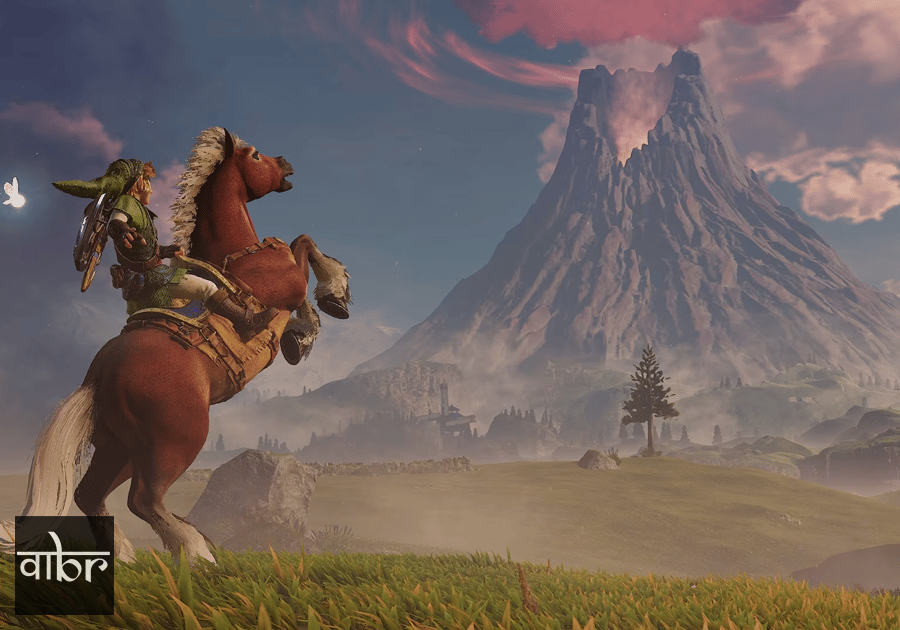
How Ocarina of Time Remake Shapes Junior Game Developers at Nintendo
Nintendo's strategy leverages iconic titles to train junior game developers, instilling core design mechanics while building future Zelda games.