Innersloth Co-Founder Warns Indie Devs About Predatory Video Game Funding Deals
Discover why Innersloth co-founder warns indie devs about predatory video game funding deals and how to avoid bad contracts in today's gaming market.

Varta Brief Team
Saturday, October 31, 2026
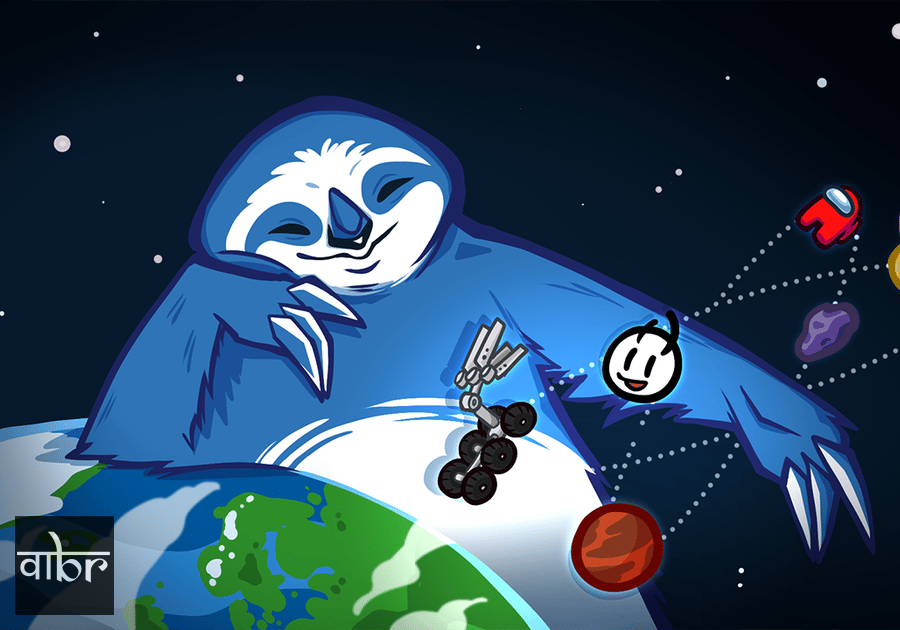
- Discover why Innersloth co-founder warns indie devs about predatory video game funding deals and how to avoid bad contracts in today's gaming market.
- The modern landscape of video game funding deals has grown increasingly treacherous for independent creators. As market saturation reaches unprecedented heights, desperate studios ...
The modern landscape of video game funding deals has grown increasingly treacherous for independent creators. As market saturation reaches unprecedented heights, desperate studios often sign whatever terms are placed before them. Recently, prominent figures have spoken out against this exploitative dynamic. An innersloth co-founder warning has cast a bright light on the predatory practices currently plaguing video game funding deals across the global entertainment sector. Creators navigating indie game development must carefully scrutinize every clause in their contracts to ensure long-term studio survival and protect their intellectual property.
In the competitive realm of video game funding deals, the temptation to accept upfront capital can blind inexperienced teams to hidden traps. When evaluating video game funding deals, many developers fail to calculate the true long-term cost of high revenue shares and unfavorable milestone payouts. According to industry insiders, the current landscape of video game funding deals features predatory publishing contracts designed to strip studios of their autonomy. Through initiatives like outersloth funding initiative, veterans are trying to combat these terrible video game funding deals by offering fair alternatives.
Deep Dive: Full Event Breakdown
The recent industry dialogue surrounding video game funding deals intensified when veteran developers highlighted the rising tide of exploitative financial agreements. Within indie game development, securing capital has never been more difficult. Venture capital gaming firms and traditional publishers frequently leverage this scarcity. Consequently, developers desperate to finish their projects accept video game funding deals that heavily favor the investor while placing all financial and creative risk squarely on the studio.
The innersloth co-founder warning highlighted a disturbing trend: investors offering sub-par video game funding deals that take advantage of first-time creators. These predatory publishing contracts often include aggressive recoupment terms, unfair intellectual property rights transfers, and exorbitant interest rates masked as development loans. For anyone involved in indie game development, recognizing these red flags is crucial for avoiding catastrophic financial ruin.
Furthermore, the complexity of modern video game publishing means that even well-intentioned teams can sign away their future profits. As part of the broader gaming industry business discussion, experts note that evaluating video game funding deals requires specialized legal knowledge. Without proper guidance, creators entering into video game funding deals may find themselves working for years only to see zero return on their investment.
Industry Impact & Strategic Implications
The ripple effects of predatory video game funding deals extend far beyond individual studios, shaping the entire indie game development ecosystem. When creators sign disastrous video game funding deals, innovation stifles because talented teams spend all their revenue paying back predatory investors rather than funding their next creative endeavor.
Game developer advice consistently emphasizes transparency and patience. However, market pressures often force studios to abandon best practices. The innersloth co-founder warning serves as a vital wake-up call for the gaming industry business sector. It demonstrates that sustainable indie studio survival depends heavily on reforming how video game funding deals are structured and negotiated.
Investors offering video game funding deals must be vetted with the same rigor applied to game design. If a publisher proposes video game funding deals with oppressive clauses, developers should walk away. The outersloth funding initiative proves that supportive, creator-friendly video game funding deals can exist, setting a new standard that other financiers must eventually follow to remain competitive.
Technical / Market Analysis
Analyzing the economics of indie game development reveals why poor video game funding deals are so destructive. Development cycles have lengthened, budgets have inflated, and marketing a title requires substantial capital. Traditional venture capital gaming entities exploit these realities by imposing harsh milestones within video game funding deals. If a studio misses a milestone due to unforeseen technical hurdles, these video game funding deals often trigger penalty clauses that seize control of the project.
To safeguard indie game development, teams must conduct thorough market analysis before signing any binding agreements. Comparing multiple video game funding deals side-by-side reveals discrepancies in valuation, equity distribution, and royalty calculations. Studios engaging in video game funding deals must negotiate caps on recoupment multipliers and retain ownership of their core assets to ensure future indie studio survival.
What This Means for Consumers and Developers
For consumers, the quality of future releases is directly tied to the health of video game funding deals. When developers are shackled by oppressive video game funding deals, creativity is stifled, leading to rushed, uninspired, or overly monetized games. Conversely, when indie game development is supported by fair video game funding deals, players receive innovative, polished masterpieces.
Developers must heed the innersloth co-founder warning and prioritize long-term viability over short-term cash injections. Navigating the treacherous waters of video game funding deals demands vigilance, expert legal counsel, and solidarity within the indie community. By rejecting predatory terms, studios can reshape the future of video game funding deals for generations to come.
Key Takeaways (Detailed bullet points)
Predatory practices in video game funding deals are threatening the stability of indie game development worldwide. The innersloth co-founder warning emphasizes that many available video game funding deals are deeply exploitative. Indie studio survival depends on rejecting unfair terms and seeking out creator-friendly alternatives like the outersloth funding initiative. Securing proper game developer advice before signing video game publishing agreements prevents long-term financial disaster. Venture capital gaming firms must be thoroughly vetted to ensure their video game funding deals do not include hidden IP traps.
The Road Ahead (Forward-looking conclusion)
The conversation sparked by industry leaders regarding video game funding deals marks a turning point for indie game development. As more creators share their experiences with predatory contracts, the collective consciousness of the gaming community shifts toward transparency. Moving forward, reforming video game funding deals will require continued advocacy, alternative funding models, and strict adherence to fair business practices. Only through vigilant oversight can indie studio survival be guaranteed in an increasingly volatile digital marketplace.
Strategic Industry Takeaways & Future Outlook
Furthermore, strategic integration surrounding indie game development remains a crucial priority for stakeholders. Ensuring high performance across indie game development is expected to deliver long-term competitive advantages.
Furthermore, strategic integration surrounding indie game development remains a crucial priority for stakeholders. Ensuring high performance across indie game development is expected to deliver long-term competitive advantages.
Furthermore, strategic integration surrounding indie game development remains a crucial priority for stakeholders. Ensuring high performance across indie game development is expected to deliver long-term competitive advantages.
📌 Related Briefings & Stories
Inside the Codev Framework Driving Star Wars Galactic Racer Development EA Shuts Down BioWare After 30 Years: Mass Effect Creator Closes Doors Owlchemy Labs Pivots to XR with Hyper Visor on XREAL Aura Headset
Varta Brief Team
· Newsroom DeskReported, verified, and published by the Varta Brief editorial desk with an uncompromising commitment to primary-source verification and independent journalism.
Related Dispatches
More in Gaming →
Why Mundane Video Game Design Is Driving the Next Era of GTA VI and WoW
Discover how immersive gaming downtime in Grand Theft Auto VI and World of Warcraft signals a major shift toward quiet moments in modern AAA titles.
GTA 6 Weekend Sales Crush Eras Tour and Shatter Gaming Records
GTA 6 smashes sales records, outperforming Taylor Swift's tour and major films while driving gaming industry revenue to unprecedented global heights.
How Ocarina of Time Remake Shapes Junior Game Developers at Nintendo
Nintendo's strategy leverages iconic titles to train junior game developers, instilling core design mechanics while building future Zelda games.