
Apple's Foldable Smartphone Debut: Can It Break Samsung's Grip on the Market?

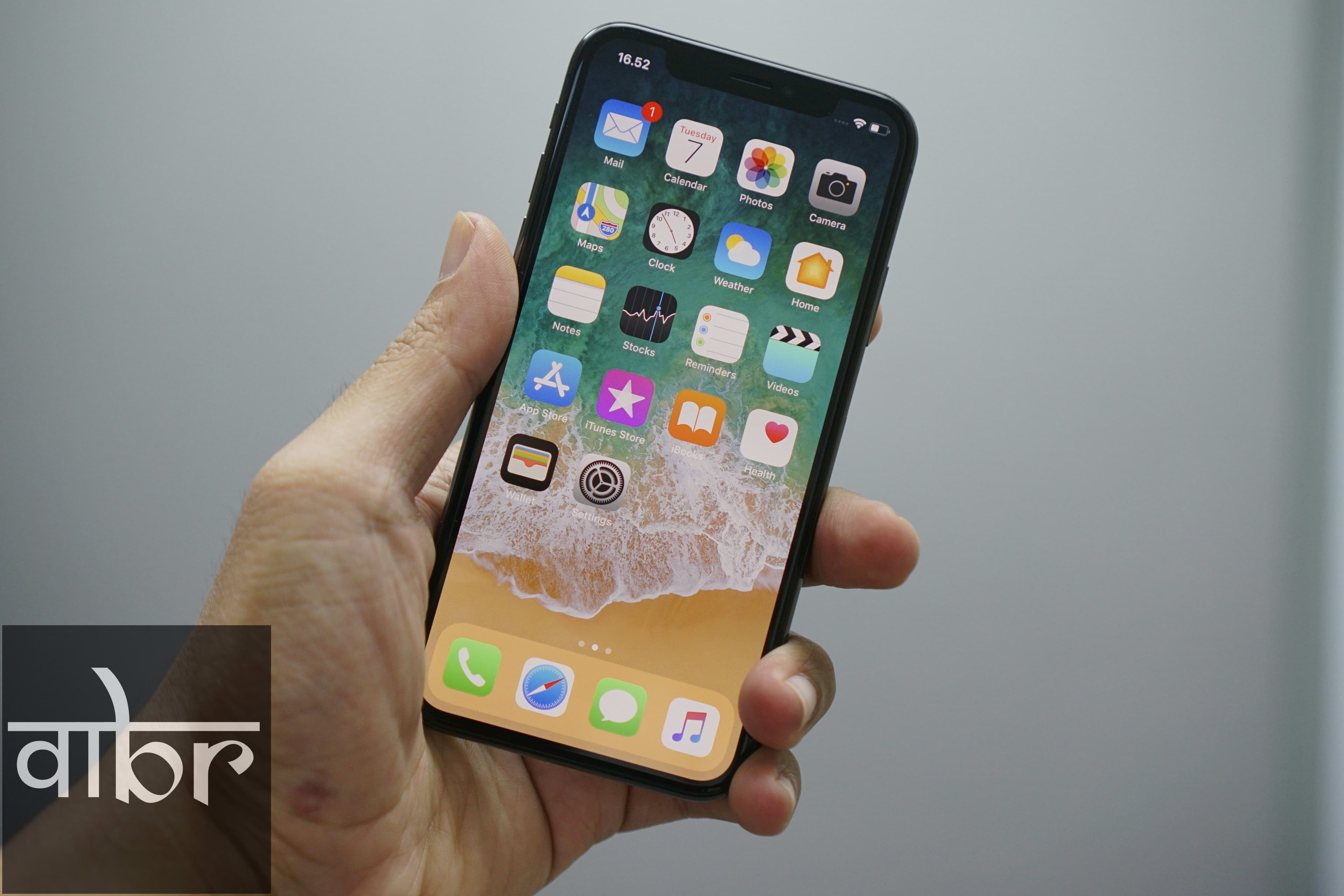
For half a decade, Samsung has held an undisputed commercial lead in book-style and clamshell foldables, flanked closely by aggressive hardware iterations from Huawei, OnePlus, and Honor. Apple's conspicuous absence from the folding category has led to persistent industry speculation. That balance is now on the verge of shifting as supply chain insights, display patents, and analyst projections point toward Apple's first dedicated folding hardware.
Historically, Apple rarely rushes to be first with a nascent form factor. Instead, Cupertino typically waits until the underlying manufacturing matures—addressing durability flaws, display creases, and software trade-offs before entering at the ultra-premium tier.
The Engineering Challenge: Creaseless Displays and Complex Hinges
The primary barrier delaying Apple's foldable rollout has been mechanical reliability. Consumer feedback across early folding generations consistently highlighted two persistent pain points: visible screen creases and hinge degradation over extended use cycles.
Industry supply chain filings from display partners indicate that Apple has demanded a panel assembly that minimizes the center furrow under varied ambient temperatures. To achieve this, engineers are pairing ultra-thin glass (UTG) substrates with liquidmetal hinge architectures designed to distribute folding stress across a broader radius rather than a sharp central pinch point.
- Stress Redistribution: A teardrop-style internal gap lets the display curve naturally inside the housing, avoiding harsh fold lines.
- Debris Protection: Advanced mechanical gaskets and micro-bristle seals block pocket lint and microscopic dust from entering the hinge mechanism.
- Structural Rigidity: Titanium-alloy chassis plates reinforce thin side profiles while reducing overall device weight.
Form Factor: Book-Style vs. Compact Clamshell
Debate continues over whether Apple will lead with an 8-inch inner tablet display or a pocketable flip format. Current production indicators favor a large-format book-style device that bridges the gap between an iPhone and an iPad Mini.
Attribute | Apple Foldable Prototype Specs (Reported) | Samsung Galaxy Z Fold Series | Market Impact |
|---|---|---|---|
Primary Display | 7.6 to 7.9-inch Foldable OLED | 7.6-inch Dynamic AMOLED 2X | True hybrid canvas for productivity |
Cover Screen | 5.8 to 6.1-inch OLED | 6.3-inch Outer Cover | Standard smartphone usability when closed |
Hinge Architecture | Multi-gear liquidmetal alloy | Dual-rail teardrop design | Thinner folded profile and shallower crease |
Biometrics | Under-display sensors / Touch ID side button | Side-mounted capacitive fingerprint sensor | Retains quick access without large camera cutouts |
A primary factor in Apple's product design is software differentiation. iPadOS and iOS adaptations built specifically for split-screen multi-window multitasking will determine whether users treat the inner screen as a genuine productivity workspace or simply an enlarged viewport.
Competitive Realities and Pricing Expectations
Samsung has spent six product generations refining its hinge manufacturing, thermal dissipation, and custom Android skin. Huawei, despite international market restrictions, commands significant foldable volume in Asia thanks to slender hardware profiles and high-density silicon.
Entering this established ecosystem requires Apple to solve two major commercial hurdles: production yield rates and consumer pricing tolerance.
- Component Yields: Ultra-thin glass and tight hinge tolerances mean manufacturing scrap rates remain higher than traditional rigid glass sandwiches, constraining initial ship volumes.
- The Price Ceiling: With conventional flagship iPhones already touching the $1,200 to $1,600 tier at higher storage tiers, an intricate foldable mechanism could push retail pricing toward the $2,000 mark.
What Comes Next
Apple's arrival in the folding sector marks the transition of foldable devices from an enthusiast showcase into mainstream computing hardware. If the company delivers a durable hinge and a near-invisible crease, it will immediately challenge rival brands at the high end of the market and drive suppliers to scale foldable glass production globally.
Expect official timelines and pricing confirmations to emerge directly from Apple's fall hardware keynotes as pilot component production ramps up across key Asian assembly partners.
Varta Brief Editorial Desk
• Newsroom StaffDedicated to objective, deep, and fact-verified reporting across technology, science, world affairs, and modern markets.
Follow Varta Brief on Google
Add Varta Brief as a preferred source to see our verified stories and daily briefings in Google Top Stories and Discover.
Found this briefing insightful?
Share it with your colleagues and community.