
Biotech Computing Breakthroughs: DNA Data Storage & Bio-AI

The Convergence of Biology and Silicon
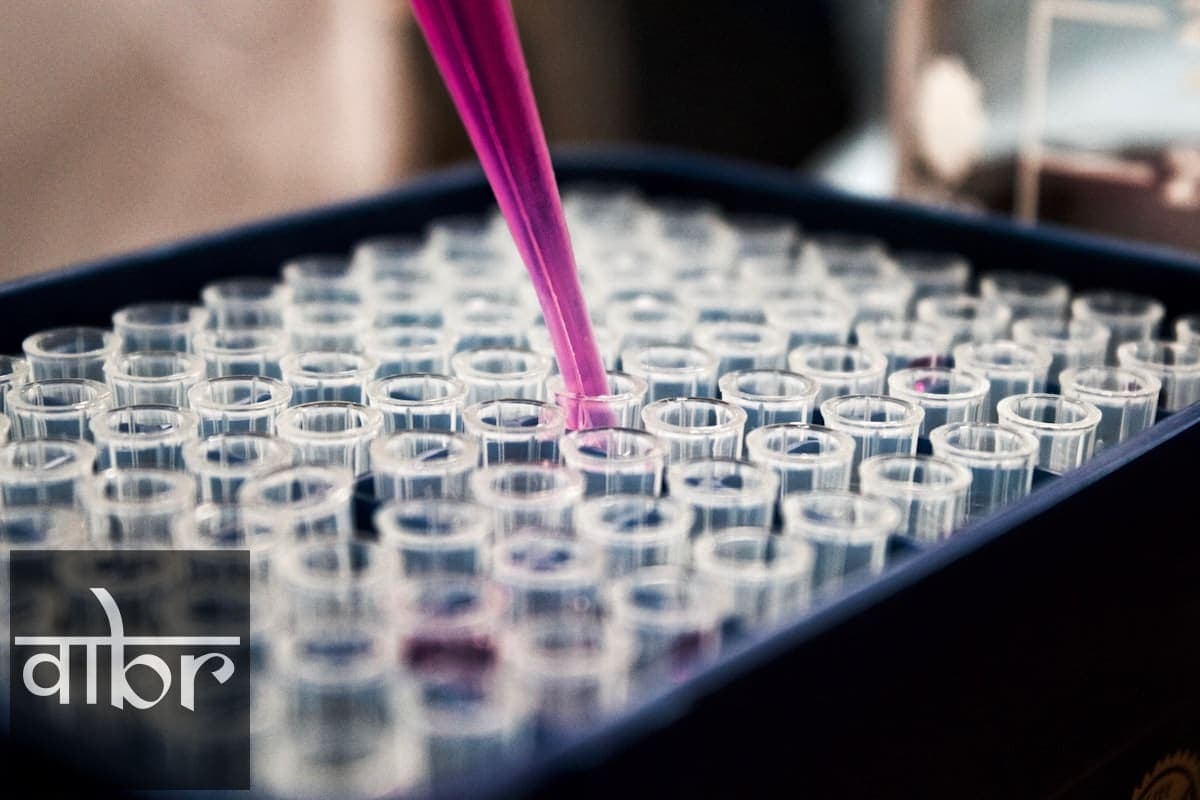
The intersection of molecular biology and computational science yields extraordinary breakthroughs. Researchers successfully store digital files inside synthetic DNA strands, leveraging nature's ultimate information archiving medium. Simultaneously, biological computing platforms integrate living neural cells with silicon micro-electrode arrays to process information organically.
These experiments challenge conventional hardware paradigms. By harnessing biochemical reactions for computation, scientists unlock unprecedented data density and energy efficiency. The implications for long-term archiving and cognitive computing are profound.
Technical Impact of Molecular Storage
Silicon hard drives and magnetic tape degrade over decades, requiring constant data migration. Synthetic DNA, when stored in cool, dry conditions, remains stable for thousands of years. Furthermore, the storage density of DNA defies imagination; a single gram can theoretically store petabytes of data.
Recent advancements focus on accelerating DNA synthesis and sequencing speeds. Automated microfluidic platforms now write and read nucleotide sequences with minimal error rates. This technical progression transforms DNA from a biological mystery into a viable enterprise storage medium.
Core Advantages of DNA Storage
- Longevity: Millennia-scale preservation without active power requirements.
- Density: Petabytes of storage capacity within microscopic volumes.
- Durability: Immune to magnetic interference and electromagnetic pulses.
Enterprise Adoption and Research Pilots
Archival institutions and government agencies lead early adoption of DNA storage pilots. Massive datasets that require centuries of preservation are prime candidates for molecular conversion. Pharmaceutical enterprises also deploy bio-computing chips to test cellular responses to drug candidates in real time.
Integrating biological components into standard data center workflows requires specialized interfaces. Biotechnologists and software engineers work closely together to build translation layers between digital binary code and nucleotide sequences. This interdisciplinary collaboration accelerates innovation across both domains.
Future Outlook for Bio-Digital Systems
Looking ahead, bio-computing platforms may solve energy bottlenecks plaguing traditional neural network training. Biological brains process complex sensory data using merely twenty watts of power. Replicating this biological efficiency in hybrid computing architectures represents the ultimate holy grail for computer science.
Ethical and regulatory frameworks must evolve alongside these technologies. As synthetic biology and artificial intelligence merge, establishing strict safety protocols ensures responsible development for humanity's technological future.
📌 Related Briefings & Stories
Varta Brief Editorial Desk
• Newsroom StaffDedicated to objective, deep, and fact-verified reporting across technology, science, world affairs, and modern markets.
Follow Varta Brief on Google
Add Varta Brief as a preferred source to see our verified stories and daily briefings in Google Top Stories and Discover.
Found this briefing insightful?
Share it with your colleagues and community.
