California Robotaxi Regulations: Fines Imposed for Blocking First Responders

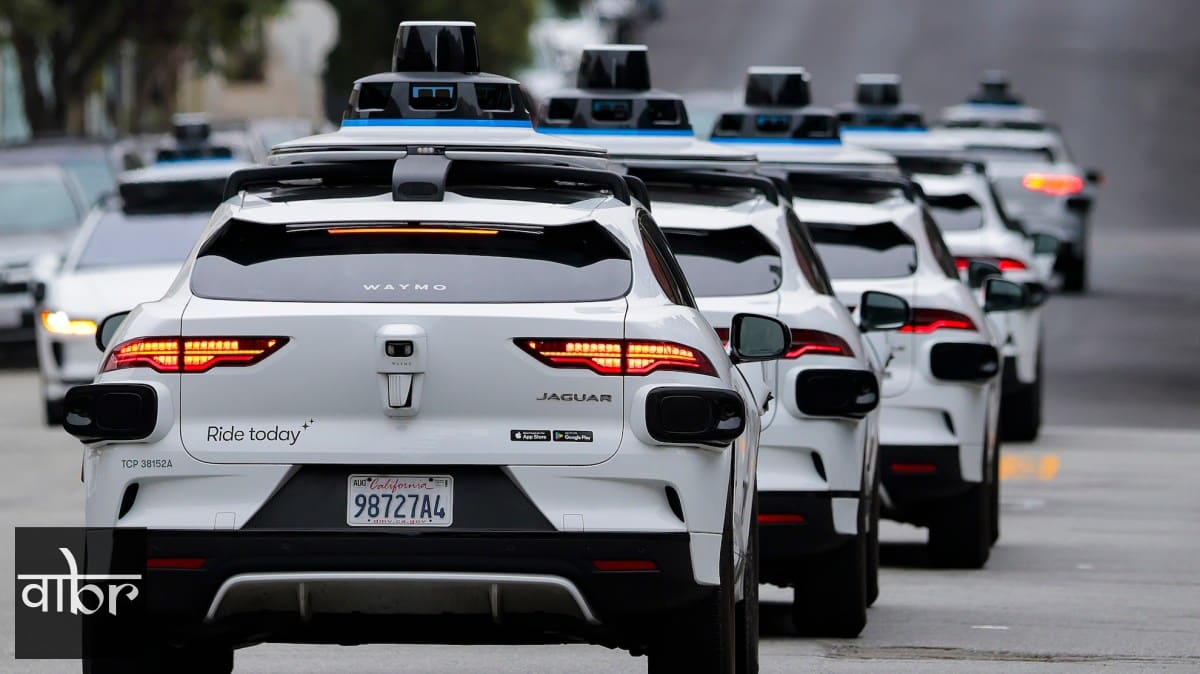
As autonomous driving technology transitions from experimental novelty to ubiquitous urban reality, municipal authorities are drawing a hard line on safety. The latest legislative shift in the Golden State marks a definitive turning point for the industry. Under groundbreaking new California robotaxi regulations, robotaxi operators now face severe financial penalties and regulatory scrutiny if their autonomous vehicles impede emergency response operations. This comprehensive legislative measure addresses mounting public safety concerns regarding how automated driving systems interact with fire trucks, police cruisers, and ambulances on congested metropolitan streets.
For years, city officials, urban planners, and safety advocates have tracked numerous incidents where autonomous vehicles stalled, stopped, or misinterpreted active emergency scenes. These unexpected blockages have occasionally delayed critical life-saving interventions. The introduction of enforceable traffic obstruction fines serves as an unambiguous signal: while innovation is welcomed, public safety compliance remains non-negotiable. Major robotaxi operators must now rapidly adapt their operational protocols, fallback behaviors, and remote assistance frameworks to prevent catastrophic delays during active emergencies.
Deep Dive: Full Event Breakdown
The genesis of this legislative crackdown traces back to a series of high-profile urban disruptions in cities like San Francisco, Los Angeles, and Austin. In multiple documented instances, robotaxi operators experienced systemic software confusion when encountering active fire scenes, police roadblocks, or active sirens. Because many automated driving systems rely heavily on pre-mapped environmental data and rigid perception algorithms, unexpected emergency geometries often cause the vehicles to freeze in place.
When a robotaxi halts in an intersection or blocks a narrow street, it forces emergency response vehicles to detour or manually maneuver around the stalled unit. Every precious second lost during these interactions can drastically impact emergency outcomes. Recognizing that voluntary corporate commitments were insufficient to fully resolve these failures, lawmakers drafted stringent statutory frameworks. Under the new rules, whenever robotaxi operators allow their autonomous vehicles to block emergency response vehicles, local and state regulators can immediately levy steep traffic obstruction fines against the parent company.
This dynamic shifts the liability squarely onto the robotaxi operators. No longer can companies dismiss these occurrences as anomalous software edge cases. Instead, the legislation compels robotaxi operators to maintain absolute situational awareness and ensure seamless passage for all authorized public safety personnel. If an autonomous vehicle fails to yield or clear the path swiftly, the financial and reputational consequences for robotaxi operators will be immediate and severe.
Industry Impact & Strategic Implications
The commercial implications for robotaxi operators extend far beyond direct monetary fines. The entire operational playbook for deploying autonomous vehicles across dense urban corridors is undergoing a radical restructuring. To mitigate the risk of incurring recurrent fines, robotaxi operators are heavily investing in upgraded fleet management software and enhanced remote supervision protocols.
Historically, autonomous vehicles operated with minimal human oversight under the assumption that the artificial intelligence could handle all driving scenarios independently. However, the reality of complex city streets has proven that human intervention remains indispensable. Today, a robust remote operations center serves as the nerve center for leading robotaxi operators. When an autonomous vehicle encounters an ambiguous emergency scene, remote human operators must be capable of stepping in immediately to teleoperate the vehicle out of harm's way.
Furthermore, this regulatory development places immense pressure on software engineers to refine automated driving systems. AI perception stacks must now prioritize emergency vehicle recognition, distinguishing sirens, flashing lights, and unique vehicular trajectories from standard traffic flow. Failure to achieve this level of discrimination will directly compromise the profitability of robotaxi operators as regulatory fines accumulate across expanding municipal footprints.
Technical / Market Analysis
From a technical perspective, programming autonomous vehicles to safely yield to emergency responders is an extraordinarily complex engineering challenge. While human drivers effortlessly interpret hand gestures, eye contact, and subtle auditory cues from police officers or firefighters, computer vision models and sensor suites face immense hurdles. Sensor occlusion, inclement weather, and competing audio frequencies from multiple sirens can confuse even the most sophisticated automated driving systems.
To comply with California robotaxi regulations, software developers are retraining deep neural networks on massive synthetic and real-world datasets featuring emergency scenarios. Additionally, automotive hardware manufacturers are refining acoustic sensor arrays and multi-spectrum camera configurations specifically designed to detect emergency vehicles from greater distances and under poorer visibility conditions.
Market analysts suggest that these rigorous compliance mandates will create a formidable barrier to entry for smaller, underfunded startups. Only well-capitalized robotaxi operators with advanced fleet management software and scalable remote operations centers will absorb the high compliance costs. Smaller competitors risk bankruptcy if repeated traffic obstruction fines paralyze their operations, potentially leading to increased market consolidation across the autonomous mobility sector.
What This Means for Consumers and Developers
For everyday consumers, these regulations offer much-needed reassurance that public safety compliance takes precedence over rapid technological deployment. Riders can step into autonomous vehicles with greater confidence knowing that municipal authorities are actively safeguarding public infrastructure against potential technological hazards.
For software developers and autonomous vehicle engineers, the mandate is clear: zero tolerance for emergency obstruction. Developers must pivot from purely reactive software patching to proactive municipal infrastructure integration. This means establishing direct data-sharing pipelines between municipal emergency dispatch systems and the internal networks of robotaxi operators. By integrating real-time emergency routing data, autonomous vehicles can anticipate emergency scenes blocks away and reroute proactively before ever encountering a blocked corridor.
Key Takeaways (Detailed bullet points)
- Legislative Shift: New California robotaxi regulations legally hold robotaxi operators financially accountable for blocking emergency response vehicles.
- Financial Penalties: Substantial traffic obstruction fines will be levied directly against robotaxi operators whenever autonomous vehicles impede public safety personnel.
- Technological Upgrades: Autonomous vehicles require advanced automated driving systems capable of recognizing sirens, flashing lights, and complex emergency geometries.
- Operational Evolution: Leading robotaxi operators are heavily expanding their remote operations center capabilities to allow human supervisors to override stalled units instantly.
- Market Consolidation: High compliance costs and potential fines will favor well-funded robotaxi operators while squeezing out under-resourced competitors.
- Infrastructure Integration: Future success relies heavily on municipal infrastructure integration and real-time data sharing between city dispatchers and fleet networks.
The Road Ahead (Forward-looking conclusion)
The introduction of these strict penalties marks the dawn of a mature, accountable era for autonomous mobility. As robotaxi operators scale their commercial footprints into new metropolitan markets nationwide, the precedent established by California will likely serve as a national blueprint. Public safety compliance and technological innovation are no longer opposing forces; they must operate in absolute harmony. Ultimately, the long-term commercial viability of autonomous vehicles depends on public trust. By ensuring that robotaxi operators prioritize the unhindered movement of emergency response vehicles, lawmakers and industry leaders are paving the way for a safer, more sustainable urban future.
Strategic Industry Takeaways & Future Outlook
Furthermore, strategic integration surrounding autonomous vehicles remains a crucial priority for stakeholders. Ensuring high performance across autonomous vehicles is expected to deliver long-term competitive advantages.
Furthermore, strategic integration surrounding autonomous vehicles remains a crucial priority for stakeholders. Ensuring high performance across autonomous vehicles is expected to deliver long-term competitive advantages.
Furthermore, strategic integration surrounding autonomous vehicles remains a crucial priority for stakeholders. Ensuring high performance across autonomous vehicles is expected to deliver long-term competitive advantages.
📌 Related Briefings & Stories
Varta Brief Editorial Desk
• Newsroom StaffDedicated to objective, deep, and fact-verified reporting across technology, science, world affairs, and modern markets.
Follow Varta Brief on Google
Add Varta Brief as a preferred source to see our verified stories and daily briefings in Google Top Stories and Discover.
Found this briefing insightful?
Share it with your colleagues and community.