ChatGPT Virtual Try On Features Revolutionize AI E-Commerce Shopping

ChatGPT Virtual Try On Features Revolutionize AI E-Commerce Shopping
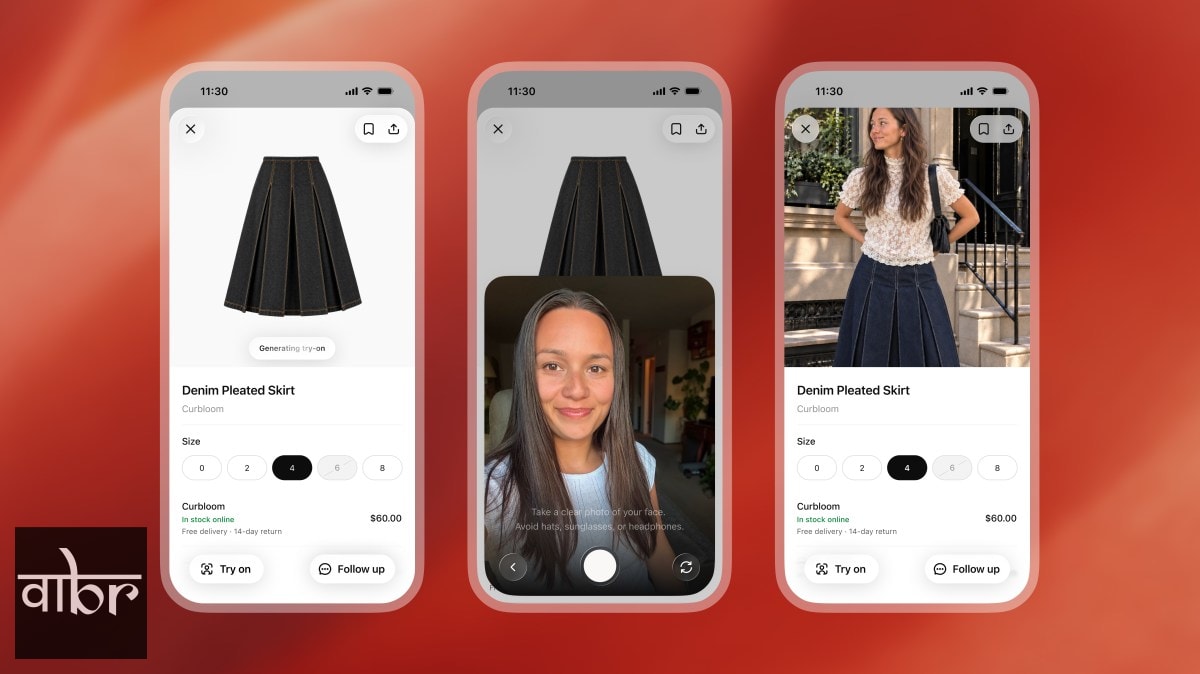
The retail landscape is undergoing a massive paradigm shift as artificial intelligence bridges the gap between digital discovery and tangible reality. In a move that signals the next evolutionary phase of digital commerce, OpenAI has officially rolled out groundbreaking shopping functionalities for its flagship conversational assistant. The newly introduced capabilities allow users to execute a ChatGPT virtual try on using their own uploaded imagery, fundamentally transforming how consumers interact with digital storefronts. This strategic leap into AI e-commerce shopping integrates advanced generative vision models directly into the chat interface, letting everyday shoppers visualize garments on their unique body types before making a purchasing decision.
As consumers increasingly demand hyper-personalized experiences, the integration of these OpenAI shopping features addresses one of the oldest friction points in online retail: uncertainty regarding fit and styling. By leveraging a simple user photo upload, the system maps clothing and accessories onto the individual with remarkable fidelity. Furthermore, users can curate and manage items within a dedicated favorites library, making the entire journey from initial prompt to final transaction seamless. This comprehensive feature set not only redefines conversational commerce but also sets a new benchmark for clothing fit technology across the global retail market.
Deep Dive: Full Event Breakdown
The rollout of ChatGPT virtual try on functionality marks a watershed moment for OpenAI and the broader tech industry. For months, industry watchers speculated about when conversational models would bridge the gap into transactional product discovery. With this update, OpenAI has answered that call emphatically. When initiating a session centered around apparel, users are prompted to provide a baseline user photo upload. The advanced multimodal architecture processes this image alongside high-resolution catalog imagery from partnered merchants.
At the core of this release is the capability to execute a precise ChatGPT virtual try on across various apparel categories, spanning outerwear, formal wear, and accessories. As part of AI e-commerce shopping, the conversational interface does not merely superimpose a static graphic; it analyzes fabric drape, lighting constraints, and body proportions to deliver a realistic rendering. Once a look is generated, shoppers can seamlessly save items to a personalized favorites library for future comparison, sharing, or immediate checkout. This ecosystem integration transforms ChatGPT from a passive text-based assistant into an active, visual styling partner.
Industry Impact & Strategic Implications
Market analysts are already noting profound ripples across the retail sector. The introduction of ChatGPT virtual try on tools disrupts traditional web-based shopping experiences dominated by static sizing charts and generic model photos. Traditional e-commerce platforms have long struggled with high return rates driven by poor fit visualization. By introducing AI e-commerce shopping mechanics that prioritize individualized accuracy, platforms adopting these OpenAI shopping features can anticipate a dramatic decrease in return logistics costs.
Moreover, the strategic inclusion of a favorites library creates sticky user engagement loops. Consumers no longer need to bounce across dozens of disparate browser tabs to curate outfits; instead, they maintain a centralized hub within the conversational thread. This evolution in clothing fit technology poses an existential challenge to legacy virtual fitting room startups that failed to integrate deeply with mainstream generative AI models. Retailers who optimize their product feeds for ChatGPT virtual try on compatibility will likely capture disproportionate market share as digital-native consumers migrate toward intent-driven, conversational purchasing platforms.
Technical / Market Analysis
Under the hood, enabling a smooth ChatGPT virtual try on experience requires immense computational power and sophisticated computer vision pipelines. Generative adversarial networks and diffusion-based architectures work in tandem during AI e-commerce shopping sessions to ensure garments warp realistically around the contours established during the user photo upload phase. Handling complex fabrics, overlapping layers, and diverse lighting conditions requires real-time inference optimization that was previously constrained by latency limits.
From a macroeconomic perspective, the deployment of these OpenAI shopping features accelerates the maturity of the digital retail revolution. Industry valuations for generative AI apparel solutions are surging, fueled by consumer adoption of immersive, low-friction buying tools. The seamless integration of a favorites library acts as a vital data aggregator, giving machine learning models better insight into user preferences, sizing trends, and style affinities. As clothing fit technology continues to mature, we are moving toward a future where every online storefront is intermediated by intelligent assistants capable of predicting precise sizing needs.
What This Means for Consumers and Developers
For the everyday consumer, ChatGPT virtual try on capabilities democratize access to personal stylists. Shopping via AI e-commerce shopping frameworks eliminates the guesswork traditionally associated with online apparel purchases. Users can experiment with bold fashion choices they might otherwise hesitate to buy, knowing they can visualize the outcome instantly via a straightforward user photo upload.
For developers and brand architects, this release highlights the necessity of structured data pipelines. Optimizing brand catalogs for AI-driven platforms means ensuring product imagery and metadata are fully compatible with OpenAI shopping features. Developers must adapt to building applications where conversational commerce and visual rendering converge, shifting focus away from traditional UI design toward prompt-responsive, interactive digital experiences that prioritize utility and speed.
Key Takeaways (Detailed bullet points)
- Breakthrough Launch: OpenAI introduces native ChatGPT virtual try on tools directly inside the conversational chat interface.
- Enhanced Personalization: The system relies on a secure user photo upload to map apparel onto accurate body proportions.
- Streamlined Workflow: Shoppers can store and organize items effortlessly within a built-in favorites library for future purchases.
- Retail Transformation: AI e-commerce shopping drastically reduces return rates by solving persistent sizing uncertainties.
- Advanced Technology: Sophisticated clothing fit technology handles complex fabric draping, lighting, and textures via generative vision models.
- Market Disruption: Traditional e-commerce interfaces face mounting pressure as consumers embrace conversational commerce.
The Road Ahead (Forward-looking conclusion)
- The deployment of these features is merely the prologue to a broader transformation in digital retail. As generative models become faster and more context-aware, we can expect ChatGPT virtual try on capabilities to expand into full-body 3D avatars, virtual runway simulations, and cross-brand wardrobe management. The fusion of AI e-commerce shopping with daily personal assistants solidifies a permanent shift in consumer habits. Ultimately, the successful convergence of user photo upload ease, robust favorites library organization, and cutting-edge clothing fit technology will define the winners of the next decade in digital commerce, ensuring that shopping remains intuitive, deeply personalized, and endlessly engaging.
Strategic Industry Takeaways & Future Outlook
When evaluating the broader technological shift, ChatGPT virtual try on serves as a defining benchmark for modern standards. Industry analysts emphasize that continuing developments in ChatGPT virtual try on will dictate user adoption and market expansion.
When evaluating the broader technological shift, ChatGPT virtual try on serves as a defining benchmark for modern standards. Industry analysts emphasize that continuing developments in ChatGPT virtual try on will dictate user adoption and market expansion.
When evaluating the broader technological shift, ChatGPT virtual try on serves as a defining benchmark for modern standards. Industry analysts emphasize that continuing developments in ChatGPT virtual try on will dictate user adoption and market expansion.
Furthermore, strategic integration surrounding AI e-commerce shopping remains a crucial priority for stakeholders. Ensuring high performance across AI e-commerce shopping is expected to deliver long-term competitive advantages.
Furthermore, strategic integration surrounding AI e-commerce shopping remains a crucial priority for stakeholders. Ensuring high performance across AI e-commerce shopping is expected to deliver long-term competitive advantages.
Furthermore, strategic integration surrounding AI e-commerce shopping remains a crucial priority for stakeholders. Ensuring high performance across AI e-commerce shopping is expected to deliver long-term competitive advantages.
Furthermore, strategic integration surrounding AI e-commerce shopping remains a crucial priority for stakeholders. Ensuring high performance across AI e-commerce shopping is expected to deliver long-term competitive advantages.
Key factors influencing this sector also include online clothing try on, each playing an essential role in ongoing development and implementation.
📌 Related Briefings & Stories
Varta Brief Editorial Desk
• Newsroom StaffDedicated to objective, deep, and fact-verified reporting across technology, science, world affairs, and modern markets.
Follow Varta Brief on Google
Add Varta Brief as a preferred source to see our verified stories and daily briefings in Google Top Stories and Discover.
Found this briefing insightful?
Share it with your colleagues and community.