Deezer AI music filter lets users block algorithmic tracks by late 2026

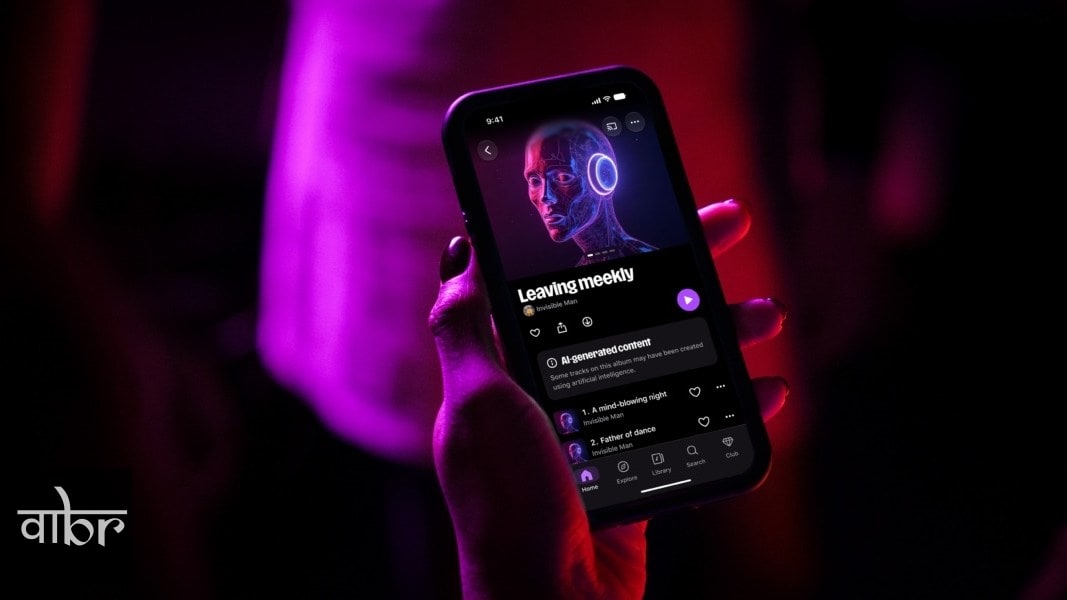
The modern digital audio ecosystem finds itself at an unprecedented crossroads. As generative audio tools flood digital streaming platforms with millions of synthesized compositions daily, listeners are increasingly overwhelmed by synthetic noise. Enter the groundbreaking announcement from France-headquartered streaming pioneer Deezer: the upcoming launch of a dedicated Deezer AI music filter designed to let users easily block artificial tracks. Scheduled for a global rollout by the end of the year, this monumental feature promises to reshape how we consume audio, protect human artistry, and navigate the complex future of modern music discovery.
For years, digital streaming platforms have experienced an exponential explosion of content uploaded by automated bots and prompt-based producers. While generative audio tools have democratized sound creation, they have simultaneously choked recommendation engines and diluted royalty pools intended for human creators. The impending introduction of the Deezer AI music filter marks a vital pushback by industry leaders who recognize that listeners crave authentic human connection. By giving audiences the direct power to block artificial tracks, Deezer is betting that curation, quality, and human provenance will reign supreme in an increasingly automated world.
Deep Dive: Full Event Breakdown
The announcement regarding the Deezer AI music filter arrived quietly through company product roadmaps, yet its shockwaves are echoing across the entire entertainment sector. Executives at the platform confirmed that the toggle interface is currently in its final testing phases. By leveraging advanced audio fingerprinting technology and sophisticated machine learning classifiers, the streaming service can now accurately detect tracks created entirely by artificial intelligence models.
When the feature goes live before the year concludes, users will find a simple toggle switch nestled within their playback settings and personalized discovery feeds. Activating the Deezer AI music filter will instantly purge algorithmic compositions from daily mixes, smart tracks, and algorithmic recommendations. This gives everyday fans the agency to block artificial tracks seamlessly, ensuring their listening sessions remain purely human-centric. Industry insiders note that this proactive stance separates Deezer from competitors who have taken a more passive, hands-off approach to the synthetic flood.
Industry Impact & Strategic Implications
The decision to implement a Deezer AI music filter carries profound strategic implications for major record labels, independent distributors, and individual artists alike. For decades, traditional stakeholders have worried that hyper-abundant synthetic output would cannibalize legitimate streams and distort indie artist royalties. When listeners utilize tools to block artificial tracks, they directly impact play counts and revenue distribution models across the board.
Furthermore, this move by a major streaming service sets a high-stakes precedent for rivals like Spotify, Apple Music, and Amazon Music. If consumers overwhelmingly adopt the Deezer AI music filter, other digital streaming platforms will face mounting pressure from copyright holders and advocacy groups to introduce similar gating mechanisms. The ability to block artificial tracks may soon transition from a novel perk to an industry-standard requirement for user retention and platform trust.
Technical / Market Analysis
From a technical perspective, deploying the Deezer AI music filter requires immense computational power and constant model updates. Generative audio tools evolve at a breathtaking pace, producing synthetic vocals and instrumentation that closely mimic human musicianship. To accurately flag these compositions without catching legitimate human-made experimental music in the net, engineers rely on multifaceted detection pipelines.
Market analysts suggest that the demand for the Deezer AI music filter stems directly from listener fatigue. As music discovery algorithms become saturated with low-effort prompt outputs, user trust in automated playlists begins to erode. By prioritizing a clean, human-first listening environment, Deezer is positioning its product as a premium sanctuary against the rising tide of algorithmic saturation. The capacity to block artificial tracks represents a sophisticated response to a technical crisis of abundance.
What This Means for Consumers and Developers
For everyday music enthusiasts, the introduction of the Deezer AI music filter means regaining control over their sonic diets. Instead of wading through endless volumes of computer-generated ambient noise and cloned vocals, fans can curate an authentic listening experience. Conversely, developers of generative audio tools must now grapple with a marketplace that explicitly offers consumers a way to block artificial tracks entirely.
This dynamic encourages a shift in how generative technology is marketed and utilized. Rather than attempting to pass off synthetic creations as traditional releases, creators may need to position their work within specialized, transparent niches. As copyright protection laws and platform policies tighten, the transparency provided by tools like the Deezer AI music filter will redefine industry standards.
Key Takeaways (Detailed bullet points)
- Deezer will roll out the Deezer AI music filter by the end of the year to combat synthetic flooding.
- Users will be empowered to easily block artificial tracks from their personalized playlists and discovery feeds.
- The feature utilizes cutting-edge audio detection to separate human compositions from prompt-generated output.
- Major record labels and independent creators view this innovation as a vital step for safeguarding indie artist royalties.
- The move establishes streaming service innovation benchmarks that competitors will likely feel pressured to follow.
The Road Ahead (Forward-looking conclusion)
As the entertainment industry stands on the precipice of a new era defined by artificial intelligence, user-controlled curation is no longer optional—it is essential. The forthcoming release of the Deezer AI music filter proves that platforms can successfully balance technological advancement with a fierce dedication to human artistry. By giving listeners the absolute freedom to block artificial tracks, Deezer has initiated a paradigm shift that will resonate across global media markets for years to come. The future of streaming belongs to authenticity, and this latest innovation ensures human voices remain front and center.
Strategic Industry Takeaways & Future Outlook
When evaluating the broader technological shift, Deezer AI music filter serves as a defining benchmark for modern standards. Industry analysts emphasize that continuing developments in Deezer AI music filter will dictate user adoption and market expansion.
Furthermore, strategic integration surrounding block artificial tracks remains a crucial priority for stakeholders. Ensuring high performance across block artificial tracks is expected to deliver long-term competitive advantages.
Furthermore, strategic integration surrounding block artificial tracks remains a crucial priority for stakeholders. Ensuring high performance across block artificial tracks is expected to deliver long-term competitive advantages.
Furthermore, strategic integration surrounding block artificial tracks remains a crucial priority for stakeholders. Ensuring high performance across block artificial tracks is expected to deliver long-term competitive advantages.
📌 Related Briefings & Stories
Varta Brief Editorial Desk
• Newsroom StaffDedicated to objective, deep, and fact-verified reporting across technology, science, world affairs, and modern markets.
Follow Varta Brief on Google
Add Varta Brief as a preferred source to see our verified stories and daily briefings in Google Top Stories and Discover.
Found this briefing insightful?
Share it with your colleagues and community.
Read Next

TechCrunch Disrupt 2026 Ticket Deal: Join San Francisco's Final Days

Prismm helps banks keep inherited money in-house through smart wealth transfer
