DoorDash AI agent revolutionizes food delivery ordering through text messaging

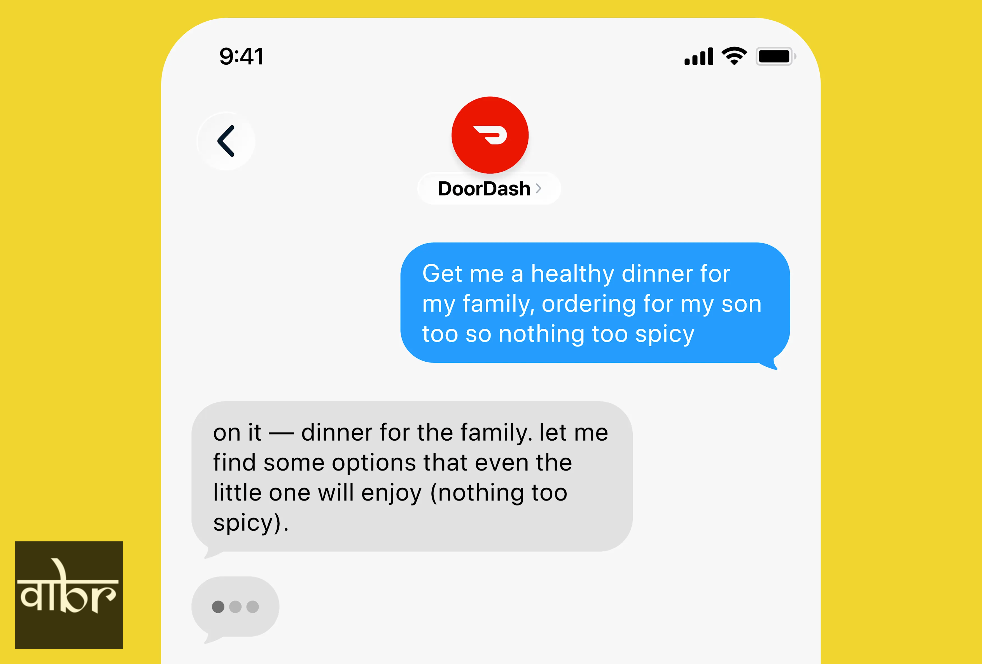
DoorDash AI agent revolutionizes food delivery ordering through text messaging
In the relentless race for consumer convenience, the landscape of digital commerce is undergoing a seismic shift. The introduction of the new DoorDash AI agent marks a pivotal moment in how everyday transactions are handled, shifting the paradigm from clunky app navigation to fluid, natural dialogue. By introducing this conversational tool, DoorDash AI agent capabilities allow hungry customers to initiate food delivery ordering via simple, text-based interactions. This groundbreaking leap forward positions the company ahead of traditional app interfaces, redefining what modern consumers expect from digital culinary logistics and everyday convenience services.
As smartphone screens become increasingly crowded with competing applications, user fatigue has reached an all-time high. Consumers no longer want to swipe through endless carousels of menus, filter options, and manually input payment details for simple food delivery ordering tasks. Instead, they demand frictionless interactions that mirror human conversation. The newly deployed DoorDash AI agent answers this call by integrating advanced natural language processing directly into everyday messaging platforms. Whether a user is craving late-night tacos or organizing a large weekend brunch, the DoorDash AI agent handles the entire transaction workflow seamlessly from a single text thread, proving that conversational commerce is no longer just a futuristic concept but a present reality.
Deep Dive: Full Event Breakdown
The formal unveiling of the DoorDash AI agent represents months of intensive backend engineering and strategic product development. Industry insiders have long anticipated how major delivery platforms would incorporate generative AI assistant technology into their core offerings. Rather than forcing users to open a dedicated smartphone application, the DoorDash AI agent lives inside standard messaging ecosystems where consumers already spend a significant portion of their digital lives.
When executing food delivery ordering protocols through this system, users simply text their cravings, dietary restrictions, or budget constraints to a dedicated number. The generative AI assistant parses these nuanced inputs, queries local restaurant inventories in real time, and suggests tailored options. If a user states, 'I want spicy Thai noodles under twenty dollars delivered in thirty minutes,' the DoorDash AI agent analyzes local menu databases, processes the constraints, and presents curated choices. Once confirmed, the food delivery ordering sequence triggers a seamless checkout experience, securely processing payments and updating tracking information entirely within the text thread.
Industry Impact & Strategic Implications
The launch of the DoorDash AI agent is sending shockwaves across the entire restaurant delivery competition landscape. For years, rivals like Uber Eats and Grubhub have relied on traditional graphical user interfaces, push notifications, and loyalty reward programs to retain market share. However, the introduction of advanced conversational ordering changes the competitive dynamics fundamentally. By lowering the barrier to entry and eliminating friction, the DoorDash AI agent captures impulse purchases that might otherwise be lost during tedious app-loading sequences.
Furthermore, this development shifts how merchants interact with digital platforms. Restaurants must now optimize their menu metadata for machine readability so the generative AI assistant can accurately interpret dish descriptions, ingredient lists, and custom modification options. This evolution toward instant restaurant selection means that platforms prioritizing swift, accurate text-based discovery will ultimately dominate customer retention metrics across major metropolitan markets.
Technical / Market Analysis
From a technical architecture standpoint, deploying a reliable DoorDash AI agent at scale requires immense computational power and sophisticated retrieval-augmented generation models. Traditional food delivery ordering systems relied on rigid relational databases with static keyword searches. In contrast, the new DoorDash AI agent utilizes transformer-based models capable of understanding context, slang, typo correction, and shifting user preferences on the fly.
Market analysts note that this technological leap directly addresses the modern consumer's desire for hyper-personalized dining experiences. By maintaining conversational context across multiple sessions, the DoorDash AI agent remembers past orders, favorite cuisines, and typical delivery addresses. This deep contextual awareness transforms basic food delivery ordering into an intuitive, relationship-driven service, setting a new benchmark for software developers across the broader e-commerce and on-demand delivery sectors.
What This Means for Consumers and Developers
For everyday consumers, the rise of the DoorDash AI agent means unprecedented convenience and time savings. No longer bogged down by cluttered mobile interfaces, users can complete complex food delivery ordering tasks while multitasking in meetings, commuting, or relaxing at home. The simplicity of text-based conversational commerce democratizes access to digital delivery services for less tech-savvy demographics who find complex app navigation overwhelming.
For software developers and product designers, the success of the DoorDash AI agent signals a major architectural shift. Building modern applications requires moving away from heavy, multi-layered interfaces toward lightweight, API-driven conversational agents. As more consumers adopt text-based food delivery ordering habits, developers must prioritize natural language understanding, robust security protocols for in-chat payments, and lightning-fast backend response times to maintain user trust.
Key Takeaways (Detailed bullet points)
- The newly launched DoorDash AI agent enables complete food delivery ordering directly through standard text messaging.
- This innovation fundamentally disrupts the restaurant delivery competition by reducing friction and enhancing user engagement.
- Advanced generative AI assistant models power the system, offering contextual awareness, typo correction, and hyper-personalized dining recommendations.
- Instant restaurant selection is now driven by natural language processing, rewarding merchants who optimize their menu metadata for machine readability.
- The integration of secure in-chat payments ensures a seamless checkout experience without ever leaving the messaging thread.
The Road Ahead (Forward-looking conclusion)
As the digital economy continues its rapid evolution, the debut of the DoorDash AI agent serves as a clear indicator of where on-demand services are heading. By merging conversational commerce with robust logistics networks, platforms are redefining how consumers interact with everyday services. The future of food delivery ordering will undoubtedly be defined by intelligence, speed, and absolute simplicity. Competitors will be forced to innovate rapidly to match these new conversational standards, ensuring that consumers reap the benefits of a more intuitive, responsive, and connected digital marketplace in the years to come.
Strategic Industry Takeaways & Future Outlook
Furthermore, strategic integration surrounding food delivery ordering remains a crucial priority for stakeholders. Ensuring high performance across food delivery ordering is expected to deliver long-term competitive advantages.
Furthermore, strategic integration surrounding food delivery ordering remains a crucial priority for stakeholders. Ensuring high performance across food delivery ordering is expected to deliver long-term competitive advantages.
📌 Related Briefings & Stories
Varta Brief Editorial Desk
• Newsroom StaffDedicated to objective, deep, and fact-verified reporting across technology, science, world affairs, and modern markets.
Follow Varta Brief on Google
Add Varta Brief as a preferred source to see our verified stories and daily briefings in Google Top Stories and Discover.
Found this briefing insightful?
Share it with your colleagues and community.