Vessev Electric Hydrofoil Ferry: The Future of Urban Water Transit

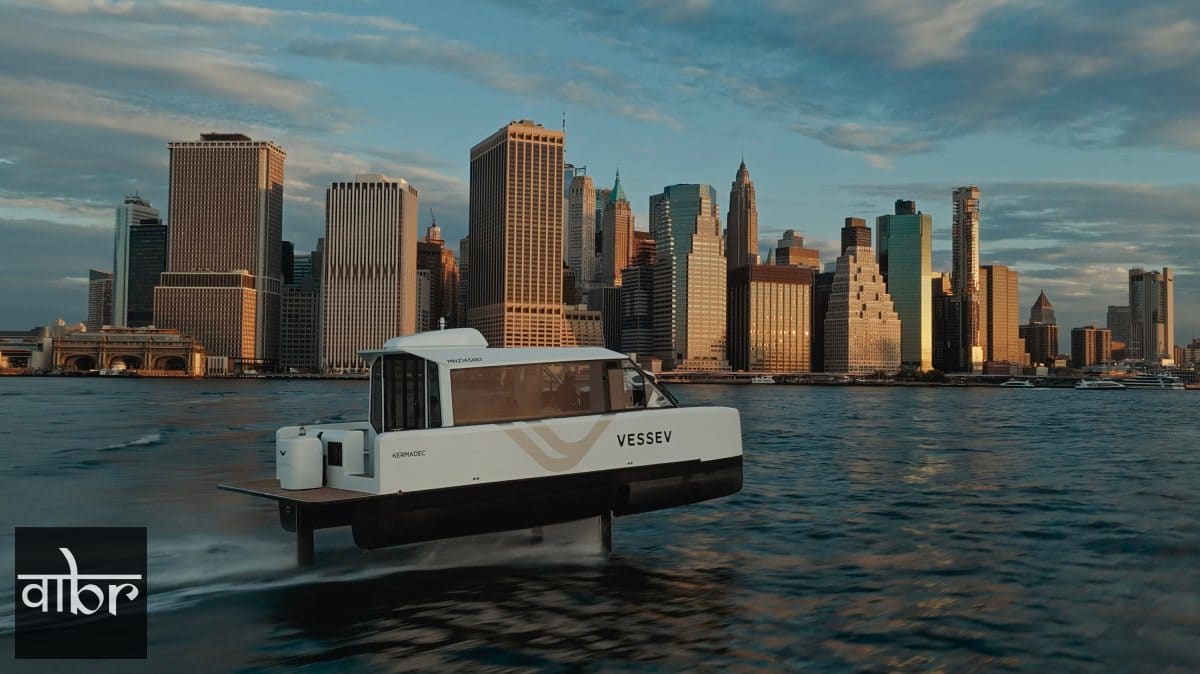
The landscape of modern urban transportation has long overlooked one of our greatest natural highways: the water. While cities globally grapple with traffic congestion, failing infrastructure, and rising carbon emissions, our rivers, harbors, and lakes remain severely underutilized. Enter the electric hydrofoil ferry, a paradigm-shifting creation by Vessev that promises to completely redefine how commuters, cities, and urban planners think about aquatic travel. By lifting its hull entirely out of the water using advanced foilborne technology, this remarkable electric hydrofoil ferry practically flies across the waves, ushering in a brand-new era of electric water transit.
As cities search for scalable alternatives to gridlocked highways, electric water transit is emerging as a top-tier solution. Vessev's engineering breakthrough is not merely a novelty; it represents a fundamental leap forward in naval architecture. This comprehensive deep dive explores the mechanics, implications, and future potential of the electric hydrofoil ferry, analyzing how this cutting-edge vessel plans to conquer modern urban commuting bottlenecks.
Deep Dive: Full Event Breakdown
For decades, conventional marine transportation has been plagued by extreme energy inefficiencies. Pushing a heavy displacement hull through water creates massive drag, requiring enormous amounts of power. This traditional inefficiency made the widespread adoption of electric water transit economically and practically challenging. However, Vessev approached this engineering nightmare from a radically different angle, focusing heavily on hydrofoil innovation to drastically reduce hydrodynamic resistance.
When the electric hydrofoil ferry accelerates, its specialized carbon-composite foils generate lift, physically elevating the cabin above the surface. Once airborne, the drag drops exponentially. This revolutionary design allows the electric hydrofoil ferry to achieve high operational speeds while consuming a fraction of the energy required by standard displacement ferries. Observers noting its smooth, gliding motion often remark that the electric hydrofoil ferry feels less like a traditional boat and more like an aircraft skimming just inches above the water's surface. This seamless integration of aerospace design principles into marine engineering redefines what is possible for electric water transit worldwide.
Industry Impact & Strategic Implications
The introduction of the electric hydrofoil ferry sends a powerful ripple effect through the global maritime sector. For years, maritime decarbonization has lagged behind automotive transitions due to battery weight constraints and high energy demands. By minimizing drag through advanced foilborne technology, Vessev has effectively solved a major hurdle that previously crippled battery powered vessels. Consequently, operators can achieve viable commercial ranges without needing impossibly massive battery packs.
Furthermore, this electric hydrofoil ferry introduces a compelling model for sustainable commuting. Coastal and riverfront cities that previously abandoned ferry routes due to high operating costs and excessive wake damage can now revitalize their waterways. Because the electric hydrofoil ferry creates virtually zero wake when operating in foilborne mode, it can travel at high speeds through sensitive urban channels without eroding shorelines or disrupting docked vessels. This capability makes electric water transit an exceptionally attractive option for forward-thinking municipal authorities looking to expand their public transit portfolios.
Technical / Market Analysis
Analyzing the market viability of the electric hydrofoil ferry reveals robust economic and environmental drivers. Traditional ferries rely heavily on fossil fuels, contributing significantly to urban air pollution and carbon footprints. In contrast, zero emission boats like Vessev's creation align perfectly with aggressive global climate targets. As governments tighten environmental regulations on commercial marine fleets, the demand for sophisticated electric water transit solutions will skyrocket.
From a technical perspective, the electric hydrofoil ferry integrates state-of-the-art flight control systems, real-time sensor arrays, and high-density energy storage. These systems constantly adjust the angle of the foils to ensure a smooth, stable ride regardless of choppy surface conditions. This high degree of automation lowers the cognitive load on operators, ensuring that the electric hydrofoil ferry delivers a reliable, comfortable passenger experience day in and day out. Market analysts predict that early adopters of electric water transit will capture substantial market share, positioning themselves as leaders in next-generation urban mobility.
What This Means for Consumers and Developers
For everyday commuters, the commercial rollout of the electric hydrofoil ferry translates to faster, quieter, and more pleasant daily travel. Traditional diesel ferries are notoriously noisy, vibrate heavily, and emit noxious exhaust fumes. The electric hydrofoil ferry offers a serene, whisper-quiet cabin environment, turning a mundane commute into an enjoyable travel experience.
Meanwhile, marine developers and naval architects must take note of Vessev's success. The market is signaling a decisive shift away from legacy designs toward futuristic watercraft that prioritize energy efficiency and environmental stewardship. Developers who embrace electric water transit principles will find themselves well-positioned for lucrative municipal contracts and private sector partnerships. Conversely, companies clinging to outdated combustion-engine models risk rapid obsolescence.
Key Takeaways (Detailed bullet points)
- Revolutionary Efficiency: The electric hydrofoil ferry reduces drag significantly by lifting its hull out of the water, making electric water transit commercially viable over longer ranges.
- Wake Reduction: Advanced foilborne technology allows the electric hydrofoil ferry to operate at high speeds in urban waterways without generating damaging wakes.
- Decarbonization Pioneer: As a leader among zero emission boats, Vessev's vessel accelerates maritime decarbonization and sustainable urban commuting.
- Passenger Comfort: Eliminating engine noise and vibration ensures that the electric hydrofoil ferry provides a premier travel experience for daily commuters.
- Scalable Infrastructure: Cities can leverage electric water transit to alleviate highway congestion without the massive capital expenditure required for new bridges or tunnels.
The Road Ahead (Forward-looking conclusion)
Vessev has achieved something extraordinary, proving that the future of urban mobility extends far beyond asphalt and concrete. By transforming how we navigate our waterways, the electric hydrofoil ferry stands as a monumental achievement in modern engineering. As regulatory frameworks adapt to accommodate these advanced vessels and battery technologies continue to improve, electric water transit will undoubtedly become a cornerstone of global urban transportation networks. The era of futuristic watercraft has officially arrived, and our cities will never be the same.
Strategic Industry Takeaways & Future Outlook
Furthermore, strategic integration surrounding electric water transit remains a crucial priority for stakeholders. Ensuring high performance across electric water transit is expected to deliver long-term competitive advantages.
Furthermore, strategic integration surrounding electric water transit remains a crucial priority for stakeholders. Ensuring high performance across electric water transit is expected to deliver long-term competitive advantages.
Key factors influencing this sector also include urban marine transport, each playing an essential role in ongoing development and implementation.
📌 Related Briefings & Stories
Varta Brief Editorial Desk
• Newsroom StaffDedicated to objective, deep, and fact-verified reporting across technology, science, world affairs, and modern markets.
Follow Varta Brief on Google
Add Varta Brief as a preferred source to see our verified stories and daily briefings in Google Top Stories and Discover.
Found this briefing insightful?
Share it with your colleagues and community.