Gaza Girl Endures Multiple Surgeries After Tent Strike

Overview
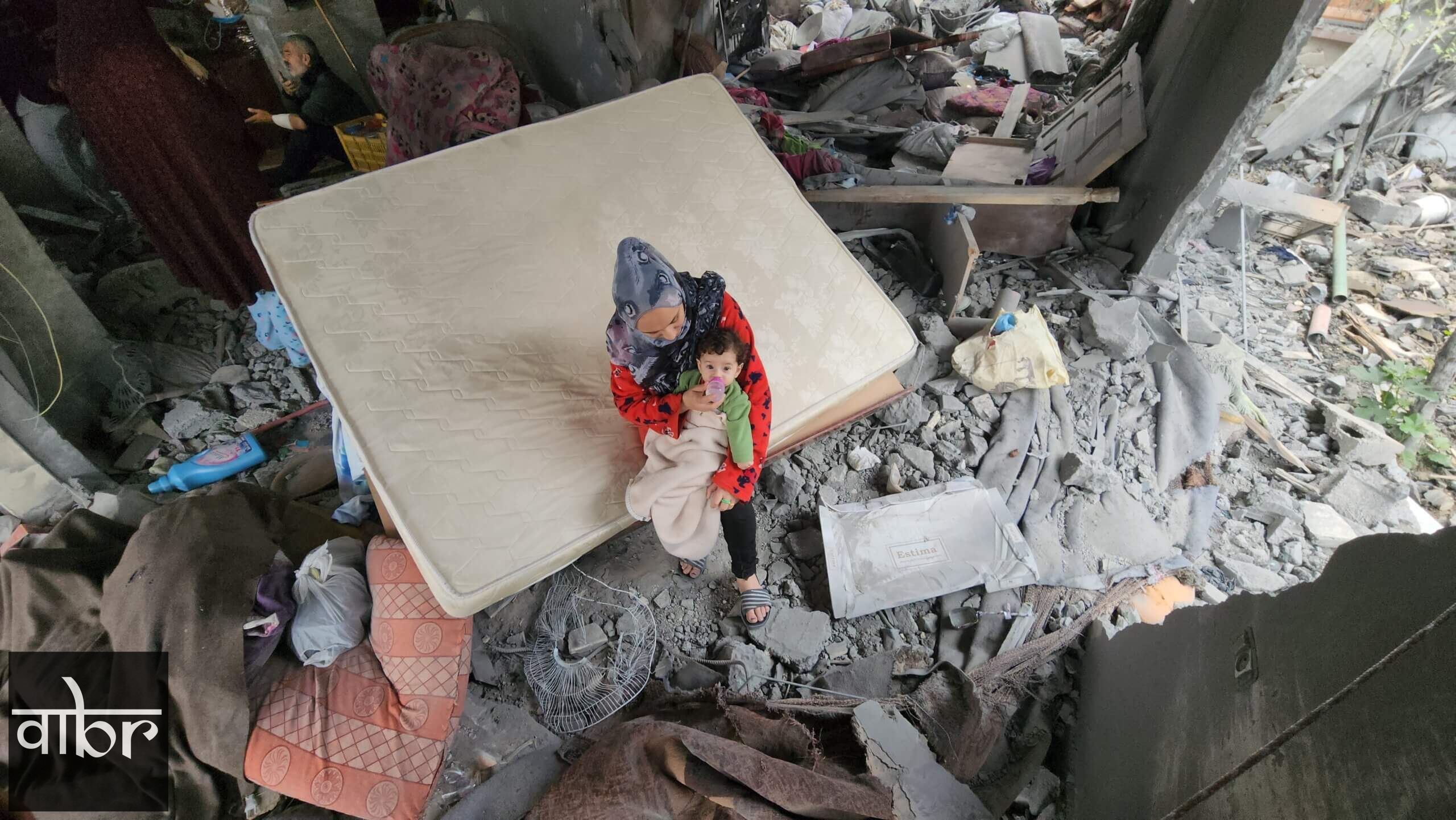
In the ongoing humanitarian crisis gripping the Gaza Strip, the human cost of the conflict continues to manifest in harrowing individual stories of survival and trauma. Among the countless civilians caught in the crossfire is Raseel, a young girl who has recently undergone multiple complex surgeries to control severe infections. Her injuries stem from what witnesses describe as an Israeli helicopter strike that directly hit the tent where her family was sheltering.
The incident highlights the perilous conditions faced by displaced families living in makeshift camps across Gaza, where medical infrastructure is crippled, sanitation is virtually non-existent, and access to advanced surgical care remains a daily battle. While Raseel's family and local eyewitnesses maintain that the strike originated from an Israeli aircraft, the Israel Defense Forces (IDF) have stated they have no record of the specific attack, creating a contested narrative that underscores the fog of war in densely populated enclave.
Key Details
The sequence of events leading to Raseel's current medical struggle began in a makeshift encampment designed to offer temporary refuge from relentless bombardment. Eyewitness accounts provided to journalists and humanitarian workers describe a sudden, devastating strike by a helicopter, targeting the tent infrastructure where civilians, including many children, were sleeping.
The blast caused catastrophic injuries, leaving Raseel with severe shrapnel wounds and massive tissue damage. Due to the lack of immediate, sterile medical facilities and the overwhelming burden on Gaza's remaining hospitals, the wounds quickly developed severe infections. Medical personnel on the ground reported that Raseel had to undergo multiple emergency surgical procedures just to prevent sepsis and save her life.
Doctors working in the besieged enclave have expressed mounting alarm over the secondary health crises affecting child survivors. Burn wounds, shrapnel trauma, and crush injuries frequently become infected due to unhygienic conditions in overcrowded tent cities, a shortage of antibiotics, and a lack of proper dressings. For Raseel, the physical trauma of the strike is only the beginning of a long, uncertain road to recovery.
In response to inquiries regarding the incident, the Israeli military stated that it had no record of an attack matching the description or location provided by witnesses. The discrepancy between eyewitness testimonies and official military records is a frequent occurrence in the conflict, complicating efforts by human rights organizations to document civilian casualties and attribute accountability.
Global Impact & Context
Raseel's plight is emblematic of the broader humanitarian catastrophe unfolding in Gaza, where the collapse of the healthcare system has transformed treatable injuries into life-threatening conditions. International humanitarian law mandates the protection of civilians and civilian infrastructure, yet hundreds of thousands of displaced individuals are currently living in makeshift tents with zero military fortification or protection from aerial operations.
Human rights organizations and United Nations agencies have repeatedly warned that the destruction of hospitals, coupled with the blockade on medical supplies, has created a public health emergency. Children make up a disproportionate number of casualties, suffering not only from direct blast injuries but also from malnutrition, dehydration, and infections exacerbated by a lack of clean water and sanitation.
The case of Raseel has reverberated across international media, intensifying calls from global leaders and aid agencies for an immediate ceasefire and the establishment of safe medical evacuation corridors. Without unrestricted access for humanitarian aid and specialized medical teams, doctors on the ground warn that more children will succumb to post-trauma infections, turning temporary shelters into sites of prolonged suffering and preventable loss of life.
📌 Related Briefings & Stories
Varta Brief Editorial Desk
• Newsroom StaffDedicated to objective, deep, and fact-verified reporting across technology, science, world affairs, and modern markets.
Follow Varta Brief on Google
Add Varta Brief as a preferred source to see our verified stories and daily briefings in Google Top Stories and Discover.
Found this briefing insightful?
Share it with your colleagues and community.